Namibia's Soul-Stirring Symphony: A Solo Journey...
Namibia. The name itself conjures images of vast, desolate landscapes, whispering winds, and skies teeming with stars. As a 42-year-old solo female traveler with a penchant for astrophotography and a deep commitment to conservation, I yearned to experience its raw beauty firsthand. I'd heard whispers of the Skeleton Coast's shipwrecks, the resilience of Damaraland's desert elephants, and the unparalleled darkness of its night sky. Little did I know, a 10-day adventure was about to change me profoundly. This is my story of solo female travel in Namibia, a journey that redefined my understanding of the planet and my place within it. Namibia solo female travel is rewarding, and you should try it too.
Day 1-3: Skeleton Coast 4x4 Safari - Where the Desert Meets the Ocean
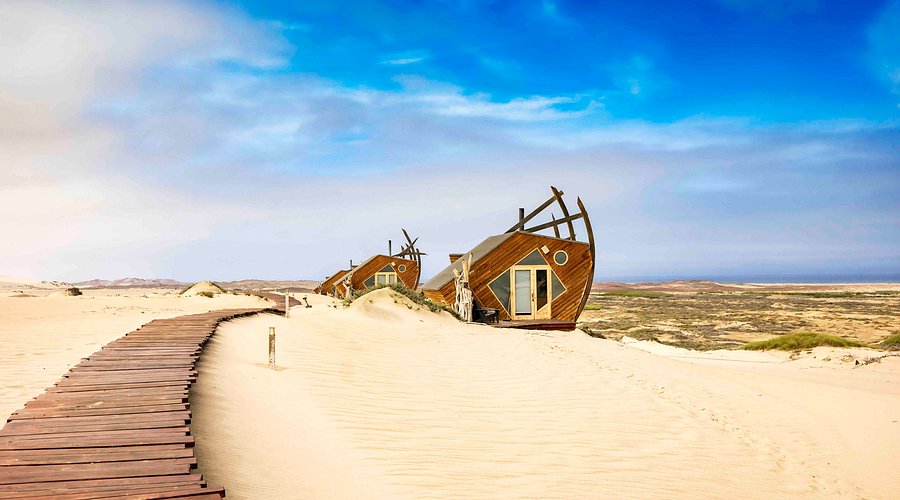
The salty air hit me like a wave the moment I stepped out of the small charter plane in Swakopmund. From there, the real adventure began: a 4x4 safari into the legendary Skeleton Coast. The landscape was utterly surreal – an endless expanse of gravel plains meeting the crashing Atlantic waves. It felt like the edge of the world. The isolation was palpable, a humbling reminder of nature's power.
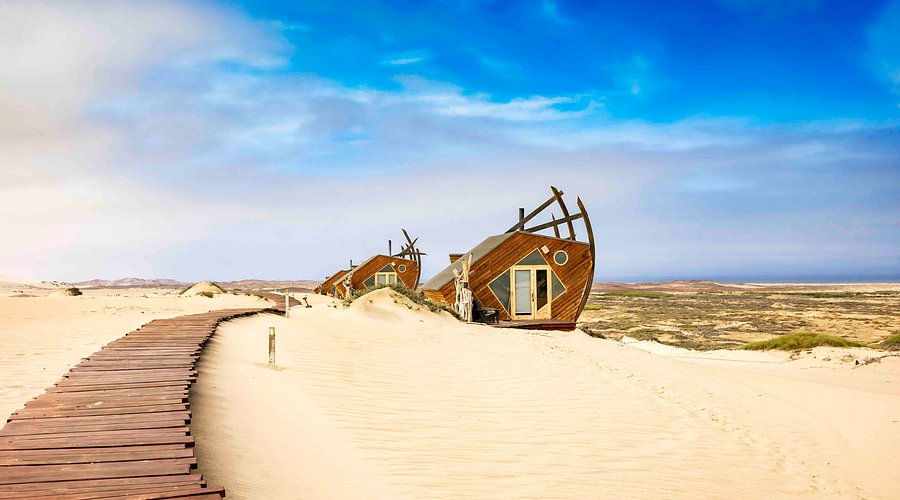
We bumped along the rugged terrain in our sturdy 4x4. The constant roar of the ocean and the mournful cry of seabirds were our only companions. Then, in the distance, a ghostly silhouette emerged – a shipwreck, a stark reminder of the coast's treacherous history. I can't remember the name of that exact ship, but the Skeleton Coast is famous for Skeleton Coast Shipwrecks.
Our guide, John, a local with generations of knowledge, shared tales of daring rescues and tragic losses. “Many ships met their end here, fooled by the fog and strong currents,” he said, his voice tinged with a mix of respect and sorrow.
We visited a massive Cape fur seal colony, a teeming mass of life against the backdrop of desolate dunes. The cacophony of barks and the pungent smell were overwhelming, but the sight of these resilient creatures thriving in such a harsh environment was truly inspiring. We also discussed conservation efforts and how to protect wildlife in Namibia during the drive.
Day 4-6: Damaraland - Tracking Giants with a Purpose
Leaving the coast behind, we ventured inland to Damaraland, a dramatically different landscape of rocky outcrops, dry riverbeds, and sparse vegetation. This was the land of the desert-adapted elephants and black rhinos, creatures of legend and resilience.
My mission: to track these magnificent animals with a community-run conservation project. I was fortunate enough to spend the next few days learning from and working alongside local conservationists. The Damaraland community based conservation tours really do make a difference.
Maria, a passionate conservationist, explained the immense challenges they face. "Poaching is a constant threat," she said, "but involving the local community in conservation efforts is key. When people benefit directly from protecting wildlife, they become its guardians."
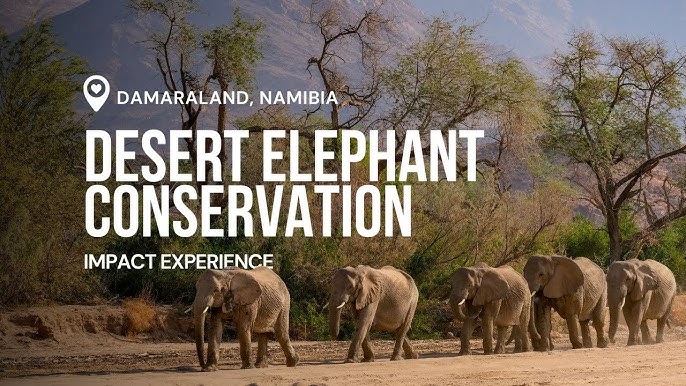
We spent hours tracking the elephants, carefully following their footprints in the sand. These elephants are truly remarkable, with unique adaptations that allow them to survive in this arid environment. Their larger feet help them distribute their weight on the sand, and they can go for days without water, utilizing their incredible memory to find water sources.
Witnessing these gentle giants in their natural habitat was an experience I’ll never forget. Later, we attempted to track black rhinos, known for their elusive nature. Although we didn't spot them on that occasion, the experience reinforced the dedication and hard work required to protect these endangered species.
The importance of community-run conservancies in Damaraland in protecting wildlife and supporting local livelihoods cannot be overstated. They're essential to sustainable tourism Namibia.
Savoring Namibia: Biltong and Potjiekos Under the Stars
No trip to Namibia is complete without indulging in its unique cuisine. During our tracking expeditions, we often snacked on biltong, a cured, dried meat. I particularly enjoyed the Kudu biltong, with its slightly gamey flavor, and the Springbok biltong, which was leaner and milder. Droëwors, a dried sausage, was another favorite, the coriander and pepper spices adding a delightful kick.
One evening, after a long day of tracking, we gathered around a campfire for a traditional Potjiekos dinner. This hearty stew, cooked in a cast-iron pot, was a culinary masterpiece. The smoky flavor of the tender meat and vegetables, simmered for hours in a rich broth, was simply divine. The convivial atmosphere around the campfire, sharing stories and laughter under the vast African sky, made it an unforgettable experience.
Day 7-9: Damaraland - Unveiling the Cosmic Canvas
As an amateur astronomer, I had been eagerly anticipating this part of the trip: stargazing in Damaraland. The dark sky conditions here are truly exceptional, far from any light pollution. It's a Dark Sky Reserve, making it one of the best astrophotography locations in Africa.
I joined a guided night sky photography tour. With my camera gear in tow (a sturdy tripod, a wide-angle lens, and a remote shutter release), I was ready to capture the magic. My camera settings varied depending on the target, but typically I used a high ISO (3200-6400), a wide aperture (f/2.8 or wider), and a shutter speed ranging from a few seconds to several minutes. To capture star trails, I used longer exposures and a lower ISO.
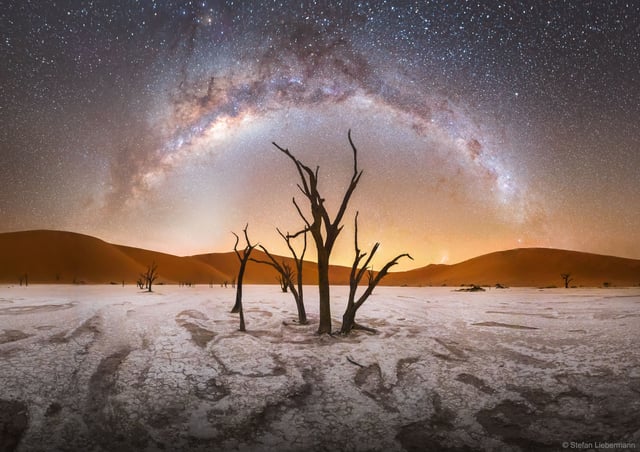
The Milky Way blazed across the sky, its galactic center a swirling mass of stars and dust. I captured images of the Magellanic Clouds, two dwarf galaxies visible only from the Southern Hemisphere. Constellations like Scorpius and Sagittarius glittered with an intensity I had never witnessed before.
But the most awe-inspiring moment was seeing the Southern Cross for the first time. I had read about it, seen pictures, but nothing prepared me for its beauty and significance. It felt like a symbol of my journey, a beacon guiding me through the vastness of the universe and the depths of my own soul.
Sustainable Stays: Eco-Lodges in the Desert
Throughout my journey, I made a conscious effort to support sustainable tourism. The eco-lodge where I stayed in Damaraland was a testament to responsible travel. It ran entirely on solar power, minimizing its carbon footprint. They also implemented comprehensive water recycling systems, crucial in this arid environment. I was impressed by their commitment to minimizing their impact and supporting the local community.
Day 10: Farewell, Namibia - A Journey of Transformation
My 10 days in Namibia flew by, yet the experiences will stay with me forever. From the stark beauty of the Skeleton Coast to the resilience of Damaraland's wildlife and the breathtaking splendor of its night sky, Namibia had captured my heart. The trip reinforced my commitment to conservation and sustainable travel. It also reminded me of the power of solo exploration and the importance of connecting with both nature and local communities. Namibia solo female travel is truly a life-changing experience.
Before you book your trip, consider "Is Namibia safe for solo female travelers?". The answer is yes, but plan your trip ahead of time.
Namibia has some of the best dark sky reserves. When you consider "best camera settings for astrophotography Namibian desert", know that you need to follow the instructions on your specific camera.
How You Can Help: Support Responsible Tourism and Conservation
If you're inspired by my journey, I urge you to consider visiting Namibia and experiencing its unique beauty and conservation efforts firsthand.
Here are a few ways you can make a difference:
- Support responsible tourism: Book tours with community-run operators who are committed to protecting wildlife and supporting local livelihoods.
- Donate to conservation organizations: There are many organizations working tirelessly to protect desert-adapted species and their habitats. Your donation, no matter how small, can make a big impact. Donate to Save the Rhino Trust Namibia
Namibia is a land of stark beauty, incredible resilience, and unparalleled darkness. It's a place that will challenge you, inspire you, and leave you forever changed. Are you ready to embark on your own Namibian adventure?