Namibia's Skeleton Coast: Where the Desert Meets...
The Skeleton Coast of Namibia. Just the name conjures images of desolate beauty, shipwrecks swallowed by sand, and a landscape that defies easy categorization. As a geologist specializing in arid climates and desert ecology, I've spent my career chasing landscapes of extremes, and after a one-week expedition along this extraordinary stretch of coastline, I can confidently say it's unlike anything I've ever experienced. I wanted to see firsthand the Skeleton Coast geology tours, and what I learned was amazing. This blog is my attempt to capture the raw, untamed spirit of the Skeleton Coast, a place where the earth reveals its history in dramatic fashion and life finds a way to flourish against all odds.
A Geological Tapestry Woven by Time and Elements
The Skeleton Coast is a geological wonderland, a testament to the power of time and the relentless forces of nature. The landscape tells a story billions of years in the making. One of the most striking features is the presence of ancient Precambrian rock formations, some of the oldest on Earth. These formations, exposed along the coast, are a window into Namibia's deep geological past, showcasing the raw materials that have been shaped and reshaped over eons.
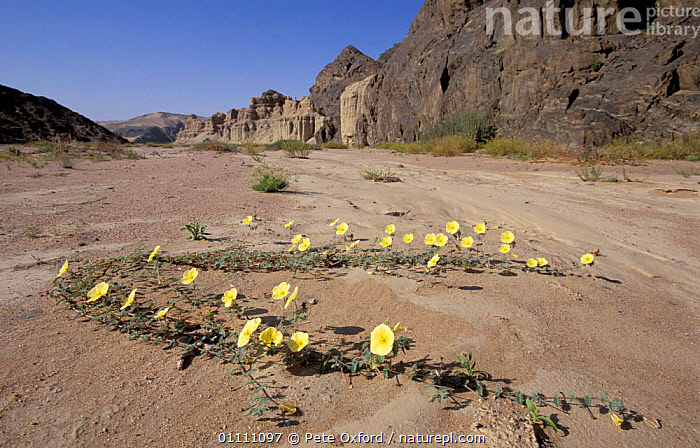
Then there are the gravel plains, seemingly endless expanses of rock meticulously sculpted by wind erosion over millennia. The wind acts as a tireless artist, carving intricate patterns and smoothing surfaces, leaving behind a landscape that feels both alien and strangely familiar.
The Enigmatic Clay Castles of the Hoarusib River
Perhaps the most captivating geological formations I encountered were the clay castles near the Hoarusib River. These bizarre, almost whimsical structures are formed by the slow, steady erosion of ancient riverbeds. Water carves away at the clay, leaving behind towering pillars and intricate spires. The Skeleton Coast clay castles location is definitely a place to be seen. Standing amidst these formations, I couldn't help but feel a sense of awe at the sheer power of erosion and the delicate balance that allows these structures to persist. These geological features are key to understanding how the area was formed.
Geological History of the Skeleton Coast's Rock Formations
The geological history of the Skeleton Coast is incredibly complex, stretching back billions of years. The ancient Precambrian rocks form the foundation, representing some of the earliest crustal material on Earth. Over time, these rocks were subjected to intense heat and pressure, resulting in metamorphism and the formation of minerals like gneiss and schist.
Subsequent periods of uplift and erosion exposed these ancient rocks, creating the rugged coastline we see today. The Benguela Current played a crucial role in shaping the landscape. This cold, nutrient-rich current has influenced the climate and erosion patterns, contributing to the formation of the vast gravel plains and the deposition of sediments along the coast. The action of coastal erosion is constant.
The clay castles, formed more recently by the Hoarusib River, are a testament to the ongoing processes of erosion and deposition. The river cuts through ancient sediments, carving out these unique formations over time.
Desert Survival: A Constant Negotiation with the Elements
The Skeleton Coast presents a unique set of challenges to any traveler. The Skeleton Coast temperature fluctuations survival guide is not something to ignore. The extreme temperature swings, from scorching daytime heat to surprisingly cold nights, demand careful planning and preparation. Limited water sources mean that carrying sufficient supplies is essential.
The Benguela Current's Influence
The Benguela Current, a cold ocean current flowing along the coast, is a major factor shaping the Skeleton Coast's climate. It brings cool, moist air that collides with the warm, dry air from the Namib Desert, resulting in the formation of dense coastal fog. This fog, while providing some moisture, also creates navigational hazards and contributes to the region's overall sense of isolation. Understanding the Skeleton Coast Benguela Current effects on the climate is key to understanding the local ecosystem.
Desert-Adapted Wildlife
Despite the harsh conditions, the Skeleton Coast is home to an array of desert-adapted wildlife. I was fortunate enough to witness the incredible resilience of desert lions, who have adapted to survive with minimal water and by hunting seals along the coast. The seal colonies themselves are a testament to the Benguela Current's rich marine life, providing a vital food source for predators. It is amazing to see how the animals of the region adapted to survive the elements.
Conservation Efforts: Protecting a Fragile Ecosystem
The Namibian government and local organizations are working hard to protect the Skeleton Coast's fragile ecosystem through the Skeleton Coast National Park conservation projects. The establishment and management of the Skeleton Coast National Park are vital for preserving this unique environment.
Anti-Poaching Patrols
Anti-poaching patrols play a crucial role in protecting desert-adapted lions and black rhinos, both of which are threatened by poaching. These patrols work tirelessly to monitor wildlife populations and prevent illegal hunting activities.
Sustainable Tourism
Sustainable tourism initiatives are also essential for minimizing the impact of visitors on the environment. By promoting responsible tourism practices, such as limiting visitor numbers and educating tourists about the importance of conservation, we can help ensure that the Skeleton Coast remains a pristine wilderness for generations to come. Consider using Skeleton Coast responsible tourism initiatives on your next trip.
Activities: Exploring the Skeleton Coast's Wonders
My expedition included a variety of activities that allowed me to experience the Skeleton Coast from different perspectives.
4x4 Safari
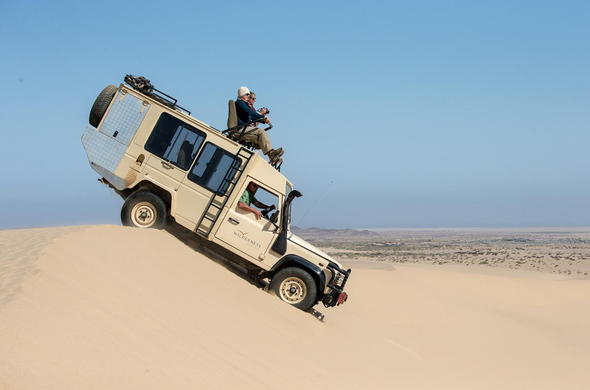
A guided Skeleton Coast 4x4 driving guide safari along the coast was an unforgettable experience. Driving through the vast landscapes, navigating sandy tracks and rocky terrain, gave me a true sense of the scale and remoteness of the region. Our guide shared fascinating insights into the geology, ecology, and history of the area, enriching my understanding of this unique environment.
The Eduard Bohlen Shipwreck
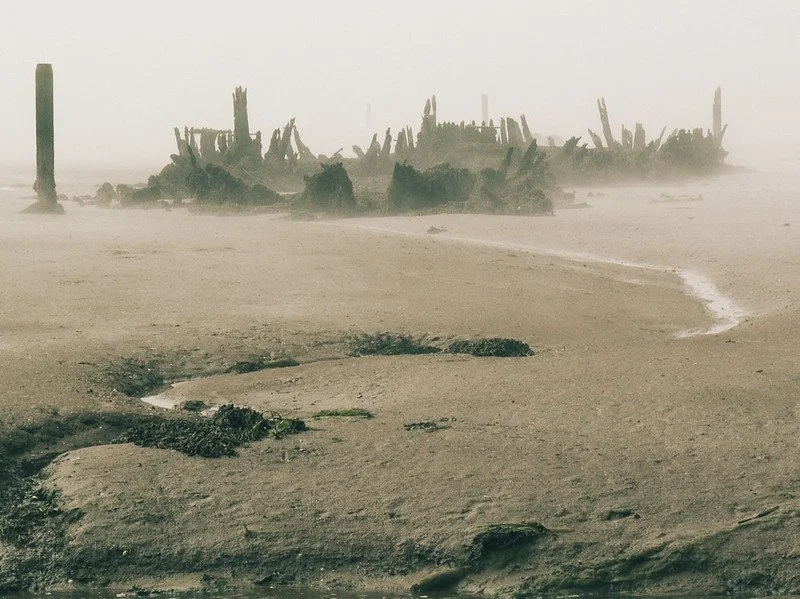
Exploring the Eduard Bohlen shipwreck was a surreal experience. This abandoned vessel, now stranded far inland due to shifting sands, serves as a stark reminder of the Skeleton Coast's unforgiving nature. Walking through the rusting remains, I couldn't help but imagine the ship's final moments and the stories of the crew who once sailed her. You can find the Skeleton Coast shipwreck Eduard Bohlen GPS coordinates with a little research.
Scenic Flight
A scenic flight over the coastline provided a breathtaking aerial view of the Skeleton Coast's dramatic landscapes. From above, I could appreciate the vastness of the gravel plains, the intricate patterns of the sand dunes, and the stark contrast between the desert and the sea. It was a truly unforgettable perspective.
Sandboarding
Sandboarding down the towering dunes was an exhilarating experience. The thrill of gliding down the steep slopes, with the wind whipping through my hair, was a welcome contrast to the more contemplative aspects of my expedition.
Culinary Delights: A Taste of Namibia
My culinary experiences on the Skeleton Coast were a delightful surprise.
Fresh Oysters from Walvis Bay
Sampling fresh oysters harvested from Walvis Bay was a true treat. The oysters were incredibly fresh and flavorful, a testament to the Benguela Current's rich marine life.
Oryx Steaks
Enjoying oryx steaks grilled over a campfire was a memorable experience. The meat was tender and flavorful, a delicious representation of the region's unique cuisine.
Potjiekos
Trying "potjiekos," a traditional stew cooked in a three-legged cast iron pot, was a culinary highlight. The stew, filled with meat, vegetables, and spices, was a hearty and flavorful meal that perfectly captured the spirit of Namibian hospitality.
Conclusion: A Landscape of Extremes
The Skeleton Coast is more than just a remote and desolate landscape; it's a place of profound beauty, geological significance, and ecological resilience. It's a landscape of extremes, where the desert meets the sea in a dramatic collision of elements. My expedition left me with a deep appreciation for the power of nature and the importance of conservation. The Skeleton Coast expedition planning requires a bit of work. I urge anyone seeking a truly unique and unforgettable travel experience to consider a visit to this extraordinary corner of the world. Book your Skeleton Coast Geology Tours today and discover the wonders for yourself!