Namibia's Skeleton Coast: Where Shipwrecks Meet...
As a marine biologist specializing in microplastics research, I'm driven by a deep concern for ocean conservation and a desire to bridge the gap between scientific findings and public awareness. My name is Dr. Anya Sharma, and I see travel as an opportunity to explore the interconnectedness of the world's ecosystems. I recently embarked on a research expedition to the Skeleton Coast in Namibia to study the impact of microplastics on marine life, an adventure that blended stark beauty with a sobering reality. This trip was an incredible example of Namibia eco-tourism, combining the thrill of a Skeleton Coast adventure with the crucial work of microplastics research, all while emphasizing Namibian conservation and sustainable travel Namibia. I hope this blog post will shed light on this unique region and the importance of protecting our oceans.
The Eduard Bohlen Expedition
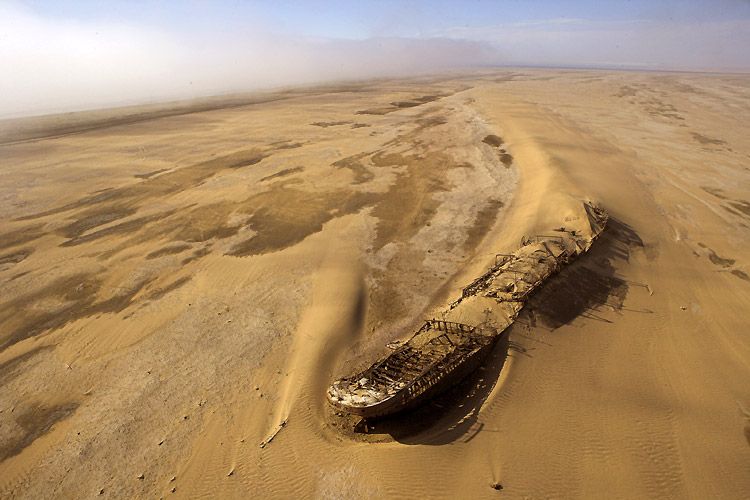
The journey to the Eduard Bohlen shipwreck was an adventure in itself. Our team utilized a 4x4 vehicle, specially modified to handle the extreme conditions of the Namib Desert. The logistical challenges were considerable; navigating towering sand dunes under the relentless Namibian sun required skill and experience. The heat was intense, often exceeding 40 degrees Celsius, and the landscape seemed to stretch endlessly, a sea of sand broken only by the occasional rocky outcrop. Our destination was the Eduard Bohlen, a German cargo vessel that ran aground in 1909 and now sits stranded kilometers inland due to the desert's relentless expansion. The ship is a photographer's dream and also a researcher's lab for microplastics research.
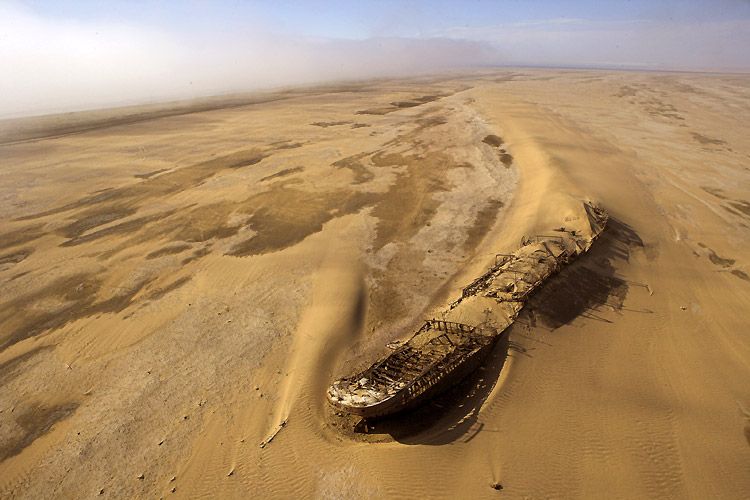
Our purpose was to collect samples from the shipwreck's remains to analyze the presence and concentration of microplastics. Decades of exposure to the elements had taken their toll, and the ship was a skeletal frame of rust and decay. Entering the shipwreck was a surreal experience. The silence was broken only by the wind whistling through the corroded metal. Standing within its skeletal structure, I couldn't help but contemplate the ship's history and the broader impact of human activities on the environment. It was a stark reminder that even seemingly remote locations are not immune to the reach of pollution. The rusted metal acts as a collector, and we want to see what we can discover. The data is critical for understanding Namibia microplastics research.
Coastal Exploration and Desert Elephants
Our exploration extended beyond the Eduard Bohlen with a guided 4x4 tour along the Skeleton Coast. Our guide shared his experience and gave us helpful Skeleton Coast self-drive adventure tips Namibia before we left. The geology of the region is fascinating, with layers of sediment revealing millions of years of history. We passed agate terraces, formed by the deposition of silica-rich solutions, shimmering in the sunlight. But nature wasn't the only thing drawing our attention; we kept our eye out for desert elephants.
The flora was equally remarkable, particularly the Welwitschia mirabilis, an ancient plant species endemic to the Namib Desert. These plants, some estimated to be over a thousand years old, have only two leaves that continuously grow and split over their lifespan. Their resilience in such a harsh environment is truly inspiring. It's inspiring to think that animals and plants survive here and contribute to the value of Namibian conservation.
The highlight of our coastal tour was a surprise encounter with a herd of desert-adapted elephants foraging near a dry riverbed. Seeing these majestic creatures surviving in such an inhospitable place was an emotional experience. Their behavior was fascinating – digging for water with their trunks and using their tusks to strip bark from the few trees that managed to survive. Witnessing their resilience reinforced my commitment to conservation. These Skeleton Coast desert elephants truly are a symbol of the region. We maintained a respectful distance, ensuring we did not disturb them. Observing them in their natural habitat highlighted the importance of protecting these unique ecosystems. We need to protect Desert adapted elephants Skeleton Coast conservation efforts.
Seeing Wildlife Ethically
It is critical when on the Skeleton Coast that you focus on ethical desert elephant encounters. Never approach the animals closely, keep a safe distance, and avoid making loud noises or sudden movements that could scare them. Never feed the elephants, as this disrupts their natural foraging behavior and can make them dependent on humans. Choose tour operators that prioritize the elephants' well-being and support conservation efforts. Report any unethical behavior to the authorities.
Flavors of the Coast: Sustainable Seafood
One evening, we enjoyed a campfire dinner on the beach featuring locally caught kabeljou (cod). The preparation was simple, yet the taste was exquisite. The fish, grilled over an open flame, was incredibly fresh and flavorful, a testament to the quality of the local seafood. Our guide emphasized the importance of sustainable fishing practices, ensuring that we were consuming fish caught responsibly and in accordance with local regulations. This is an important element to note when planning sustainable travel Namibia.
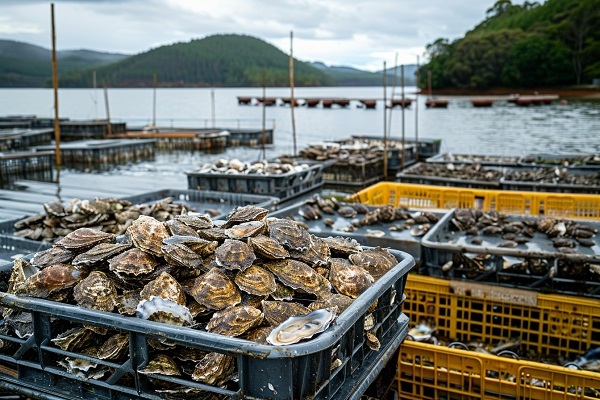
We also visited a local oyster farm. The process of oyster farming was fascinating – from the cultivation of oyster larvae to the harvesting of mature oysters. We sampled freshly harvested Namibian oysters, their salty brine a burst of flavor that perfectly captured the essence of the ocean. Supporting local communities and sustainable food sources is essential for responsible travel. I'm so glad we supported this important component of Skeleton Coast eco lodge tourism. We can improve local economies by enjoying their food.
Find the Best Sustainable Restaurants
If you're looking for sustainable seafood restaurants near Swakopmund, there are some key aspects to watch out for. Does the restaurant source its seafood locally? Is the seafood certified by a reputable organization like the Marine Stewardship Council (MSC)? Are the fish on the menu in season? All these factors can help you ensure you're enjoying a truly responsible meal.
The Landscape: Where Desert Meets the Ocean
The Skeleton Coast is a place of surreal contrasts, where the stark desert landscape meets the crashing waves of the Atlantic Ocean. The geological history of the area spans millions of years, shaped by tectonic forces, erosion, and the relentless advance of the Namib Desert. The impact of the Benguela current is crucial on the marine ecosystem.
The fog that frequently shrouds the coast adds to its eerie and mysterious atmosphere. The dense fog, formed by the cold Benguela current, rolls inland, creating a veil of mist that obscures the horizon and gives the landscape a ghostly quality. The fog is also vital for the survival of many desert species, providing a source of moisture in this arid environment. These features make the Skeleton Coast an awesome Skeleton Coast adventure destination.
Understanding the Geology
The Skeleton Coast is a highly dynamic environment, constantly reshaped by the forces of nature. The landscape is characterized by towering sand dunes, rugged canyons, and vast gravel plains. The area's unique geology is a result of millions of years of tectonic activity, erosion, and the deposition of sediments. The interaction between the desert and the ocean creates a variety of unique geological features, such as the agate terraces and the salt pans.
A Sobering Reality
Despite the beauty and remoteness of the Skeleton Coast, the impact of human activity is undeniable. During one of my beach walks, I stumbled upon a patch of sand littered with tiny, colorful pieces of microplastics. The sight was disheartening. Even in this seemingly pristine environment, plastic pollution had found its way. It served as a stark reminder of the global reach of pollution and the urgent need for responsible travel and environmental conservation. I realized that even the best Skeleton Coast itinerary should include elements of education on conservation.
Addressing Microplastics
How does microplastic pollution affect marine life? Microplastics can enter the food chain when ingested by small marine organisms, and they can accumulate in the tissues of larger animals, potentially causing harm. They can also transport pollutants and toxins, further threatening marine ecosystems. The scale of the problem requires urgent attention and concerted action.
Traveling Consciously
How to ethically visit the Skeleton Coast? You can minimize your environmental impact by choosing eco-friendly accommodations, supporting local businesses, and avoiding single-use plastics. Respect wildlife and their habitats, and educate yourself about the local environment and conservation challenges. Participate in cleanup efforts or support organizations working to combat pollution. Every action, no matter how small, can make a difference.
This trip to the Skeleton Coast reinforced my commitment to conservation and inspired me to continue bridging the gap between scientific research and public awareness. It's my sincere hope that by sharing my experiences, I can inspire others to travel responsibly and to support organizations working to combat plastic pollution. If you want to join in ethical desert elephant encounters, start researching trips now. Please consider donating to organizations like the Plastic Pollution Coalition or the 5 Gyres Institute, who are working tirelessly to address this global crisis.
Learn more about the Plastic Pollution Coalition
Learn more about the 5 Gyres Institute
Visit vistalocation.com for more sustainable travel tips and destinations!