Namibia's Skeleton Coast: A Marine Biologist's S...
The Skeleton Coast. Just the name conjures images of desolate beauty, a place where the desert meets the ocean in a dramatic clash of landscapes. As a marine biologist specializing in seal behavior and an amateur landscape photographer, I couldn't resist the allure of this remote corner of Namibia. I recently returned from an unforgettable 3-day guided Skeleton Coast Safari with vistalocation.com, and I'm thrilled to share my experience exploring this surreal and surprisingly vibrant ecosystem. This Skeleton Coast travel guide will give you insights into planning your own trip to this stunning destination.
Encountering the Chaos and Beauty of Cape Cross Seal Colony
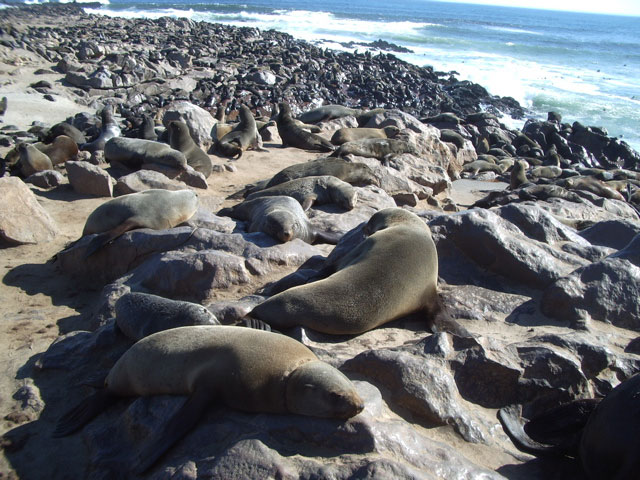
My journey began at the Cape Cross Seal Colony, one of the largest breeding colonies of Cape Fur Seals in the world. The sheer scale of it was overwhelming. As we approached, the air filled with a cacophony of barks, groans, and playful yelps. The smell, a potent mix of fish, guano, and the salty sea air, was equally intense. Millions of seals jostled for space on the rocks and sand, a writhing, barking mass of life against the backdrop of the cold Atlantic. It was an assault on the senses, but also utterly captivating. I've studied seal behavior for years, but witnessing this firsthand was a completely different experience. The interactions between mothers and pups, the territorial disputes between males, the constant movement of the colony – it was a vibrant spectacle of life thriving in a seemingly inhospitable environment. Cape Cross Seal Reserve Tours offer incredible opportunities for observation.
Photography at Cape Cross: Capturing the Colony's Essence
Photographing the seal colony presented unique challenges. The sheer number of seals made it difficult to isolate individual subjects, but the ever-changing light and the dynamic behavior of the animals provided endless opportunities for capturing compelling images. I focused on capturing the essence of the colony – the intimacy between mothers and pups, the raw power of the bull seals, and the overall energy of this remarkable gathering.
Eduard Bohlen Shipwreck: A Relic of the Past
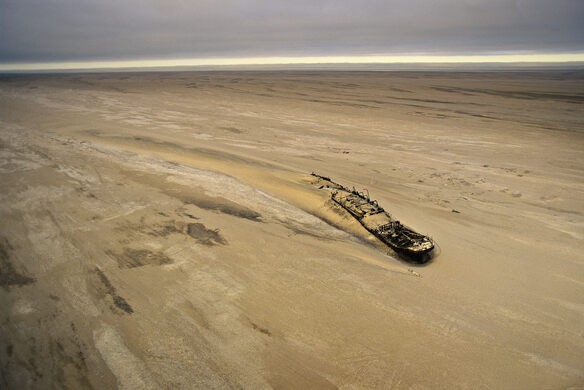
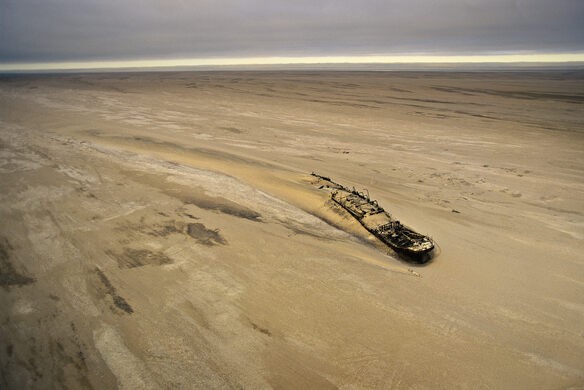
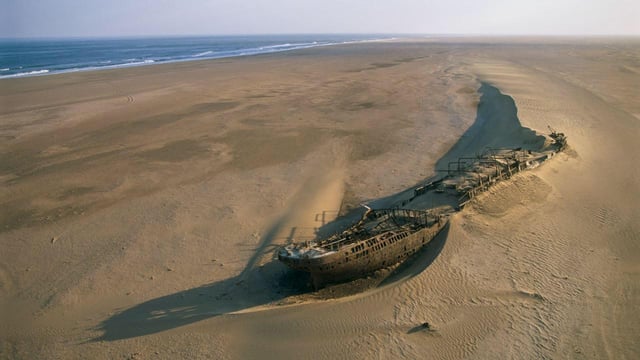
Leaving the seal colony behind, we ventured deeper into the Skeleton Coast, our Namibia 4x4 tour taking us across vast gravel plains towards the coast. One of the most iconic sights of the Skeleton Coast is the Eduard Bohlen Shipwreck. This German freighter ran aground in 1909 and now lies stranded far inland, a testament to the shifting sands and the relentless power of the ocean.
The isolation of the Eduard Bohlen is what makes it so compelling. The rusted hull emerges from the sand like a skeletal monument, a haunting reminder of the ship's ill-fated voyage. The silence is profound, broken only by the wind whistling through the decaying metal. Standing there, surrounded by nothing but sand and sky, I felt a deep connection to the past, imagining the lives of the crew and the events that led to the ship's demise. What is the Eduard Bohlen shipwreck if not a stark reminder of the forces of nature?
Photography Tips for the Eduard Bohlen
The Eduard Bohlen is a photographer's dream. The stark contrast between the rusted metal and the surrounding sand provides endless opportunities for creating dramatic and evocative images. I recommend visiting at sunrise or sunset, when the golden light casts long shadows and enhances the textures of the wreck. Don't be afraid to experiment with different angles and compositions to capture the unique character of this iconic landmark.
Stargazing Under the Darkest Skies
As darkness fell, the Skeleton Coast revealed another one of its wonders: the night sky. Far from any light pollution, the stars blazed with an intensity I had never witnessed before. The Milky Way stretched across the heavens like a river of light, and the constellations shone with breathtaking clarity.
Skeleton Coast Stargazing Photography
The Skeleton Coast offers exceptional Skeleton Coast stargazing photography opportunities. With minimal light pollution, the night sky is incredibly dark, allowing you to capture stunning images of the Milky Way, constellations, and other celestial wonders. Remember to bring a tripod, a wide-angle lens, and a remote shutter release to minimize camera shake. A headlamp with a red filter will help you navigate in the dark without affecting your night vision.
Braai on the Beach: A Culinary Delight
After a day of exploring, our guides prepared a traditional Namibian "braai" (barbecue) on the beach. The highlight of the meal was freshly caught Kabeljou fish, grilled to perfection over an open fire. The smoky aroma of the fish mingled with the salty sea air, creating an unforgettable culinary experience. We also sampled biltong, a type of dried, cured meat that is a popular snack in Namibia. Sitting around the fire, sharing stories and enjoying the delicious food under the starry sky, was a perfect end to the day. Namibian cuisine truly shines in these simple, flavorful meals enjoyed in the heart of nature.
The Landscape: A Symphony of Sand and Sea
The landscape of the Skeleton Coast is unlike anything I've ever seen. Endless gravel plains stretch towards the horizon, broken only by the occasional rocky outcrop. Towering sand dunes, sculpted by the wind, plunge dramatically into the Atlantic Ocean, creating a breathtaking spectacle of color and form. The Namib Desert Safari offered views like no other.
The Eerie Fog
The Skeleton Coast is notorious for its thick, eerie fog, which often blankets the coastline, creating a sense of mystery and isolation. The fog is caused by the cold Benguela Current, which flows along the coast, cooling the air and creating condensation. While the fog can make navigation challenging, it also adds a unique atmosphere to the landscape, softening the light and creating a dreamlike quality.
Sustainable Travel on the Skeleton Coast: Protecting a Fragile Ecosystem
vistalocation.com is committed to eco safari Namibia experiences, and the safari operator we traveled with exemplified this commitment through their dedication to sustainable tourism in Africa. They adhere to Leave No Trace principles, ensuring that we left the environment exactly as we found it. They also contribute to local conservancies working to protect desert-adapted wildlife, such as brown hyena Skeleton Coast safari encounters and jackals.
Innovative Approaches to Sustainability
The safari operator utilizes innovative approaches to minimize their environmental impact. Their vehicles are equipped with solar panels, reducing their reliance on fossil fuels. The guides are also passionate about educating visitors about the fragility of the Skeleton Coast ecosystem and the importance of responsible tourism. This includes information on the best time of year to visit Skeleton Coast to minimize impact on breeding seasons. By choosing a sustainable safari operator, you can ensure that your visit to the Skeleton Coast contributes to the long-term conservation of this unique and precious environment.
Supporting Local Conservation Efforts
The safari operator's commitment extends beyond minimizing their own impact. They actively support local conservation efforts by contributing a portion of their profits to conservancies that work to protect desert-adapted wildlife, like the elusive brown hyenas and the scavenging jackals. These animals play a crucial role in the ecosystem, and their survival depends on the ongoing efforts of these dedicated conservationists.
Is the Skeleton Coast Safe for Travel?
The Skeleton Coast, despite its name, is generally safe for travel when explored with a reputable and experienced guide. The primary dangers are related to the harsh environment: the intense sun, the lack of fresh water, and the potential for getting lost. However, with proper preparation and the guidance of knowledgeable professionals, these risks can be minimized. Always follow your guide's instructions and be aware of your surroundings.
What to Wear on a Skeleton Coast Safari
Packing for a Skeleton Coast guided tour requires careful consideration of the climate and terrain. Here are some essential items to include:
- Lightweight, breathable clothing: Temperatures can fluctuate dramatically throughout the day, so it's important to dress in layers.
- Sun protection: A wide-brimmed hat, sunglasses, and sunscreen with a high SPF are essential for protecting yourself from the intense sun.
- Sturdy walking shoes: You'll be doing a lot of walking on uneven terrain, so comfortable and supportive shoes are a must.
- Warm layers: Evenings can be surprisingly cold, so pack a fleece jacket or sweater.
- Camera gear: Don't forget your camera, lenses, and plenty of memory cards to capture the stunning scenery and wildlife.
- Reusable water bottle: Stay hydrated by carrying a reusable water bottle and refilling it whenever possible.
Conclusion: An Unforgettable Journey
My 3-day Skeleton Coast Safari was an unforgettable experience. The surreal beauty of the landscape, the abundance of wildlife, and the commitment to sustainable tourism made it a truly special journey. I highly recommend vistalocation.com's tour to anyone seeking an adventure in one of the world's most unique and remote destinations. Ready to book your own surreal adventure? Check availability here!