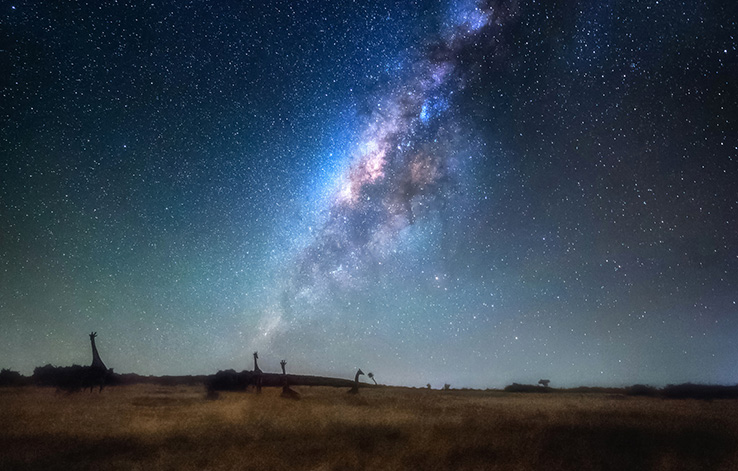
Namibian Nights: Unveiling the Universe Above th...
Ever since I was a child, I've been captivated by the night sky. The swirling arms of the Milky Way, the dance of constellations, the sheer vastness of it all – it ignited a passion within me that eventually led me to astrophotography. But one location always held a special allure: the Namib Desert in Namibia. Renowned as one of the darkest places on Earth, with minimal light pollution and crystal-clear skies, it promised an unparalleled opportunity to capture the cosmos in all its glory. The dream? To photograph the Milky Way arching over those iconic red dunes. This trip was the realization of that dream, and it exceeded every expectation.
Stargazing in the NamibRand Nature Reserve
My Namibian astrophotography adventure began in the NamibRand Nature Reserve, a vast private reserve committed to preserving the pristine desert environment and its exceptional dark skies. To truly appreciate the celestial wonders above, I joined a guided stargazing tour with Nico from Namib Sky Tours. Nico's passion for astronomy was infectious, and his knowledge of the night sky was truly impressive.
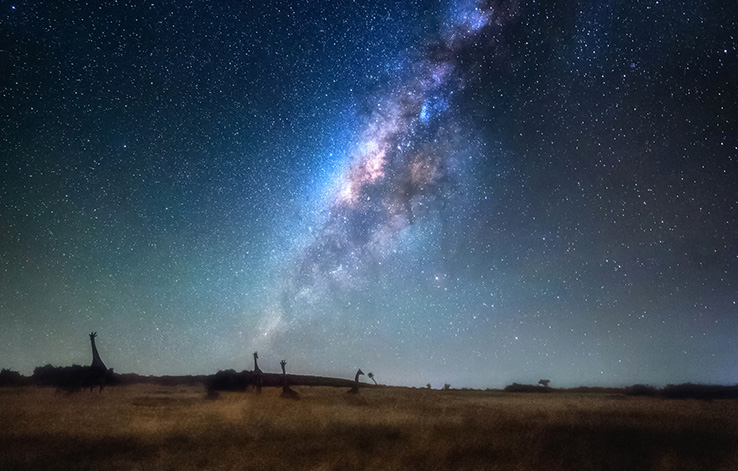
Under the inky blackness, far from any city lights, the stars exploded into view. The Milky Way stretched across the horizon like a river of light, its intricate details shimmering with breathtaking clarity. Using powerful telescopes, Nico guided us through the constellations of the Southern Hemisphere, pointing out the Southern Cross, Alpha Centauri, and the Magellanic Clouds – galaxies visible only from the southern hemisphere. He shared fascinating stories and myths associated with each constellation, blending scientific knowledge with cultural folklore. For those interested in luxury Namib Desert stargazing, this is the place to start your journey. He also covered what is the best time to visit Namibia for stargazing? and explained that the dry season (May to October) offers the clearest skies.
Soaring Above Sossusvlei: A Hot Air Balloon Ride
The next morning brought another unforgettable experience: a sunrise hot air balloon ride over the dunes of Sossusvlei with Namib Sky Balloon Safaris. As we drifted silently above the ancient landscape, the first rays of sunlight painted the sand dunes in a spectrum of vibrant colors, from deep reds and oranges to soft pinks and purples. Dune 45, perhaps the most iconic dune in the Namib, stood majestically below us, its sharp ridges casting long, dramatic shadows.
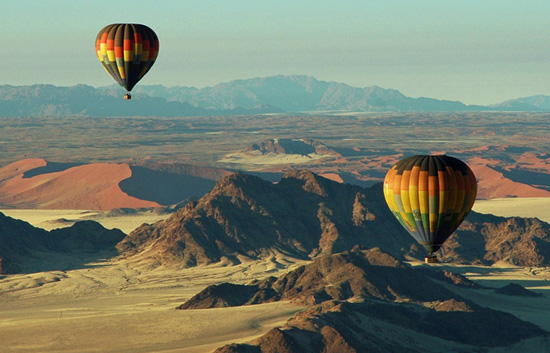
From this vantage point, I was able to capture breathtaking aerial shots of the landscape, the ever-changing light revealing the intricate textures and patterns of the desert. The balloon ride offered a unique perspective on the vastness and beauty of Sossusvlei, and it was an experience I'll never forget. This is the perfect way to experience Sossusvlei hot air balloon photography and capture stunning images. But how much does a Sossusvlei hot air balloon ride cost? Prices generally range from $450-$600 USD per person.
Exploring the Desert on Foot: A Guided Hike
To truly appreciate the resilience of life in the Namib Desert, I embarked on a guided hike with Desert Explorers Namibia. Our guide, Elia, shared his deep knowledge of the desert's unique flora and fauna, pointing out the ingenious adaptations that allow these creatures to thrive in such a harsh environment.
We spotted gemsbok, their elegant silhouettes stark against the ochre sand, and springbok, gracefully leaping across the dunes. Elia also identified several endemic bird species, including the Rüppell's Korhaan, explaining how these birds have adapted to conserve water and regulate their body temperature in the extreme heat. Understanding these animals’ unique capabilities helps to appreciate Namibian wildlife photography opportunities. He also talked about desert survival tips, emphasizing the importance of hydration and sun protection.
Deadvlei & Sossusvlei: Capturing the Soul of the Namib
No trip to the Namib Desert is complete without a visit to Deadvlei, a surreal landscape of ancient camel thorn trees silhouetted against a white clay pan, surrounded by towering sand dunes. The trees, estimated to be over 900 years old, died centuries ago due to a changing climate, their skeletal forms preserved by the arid conditions.
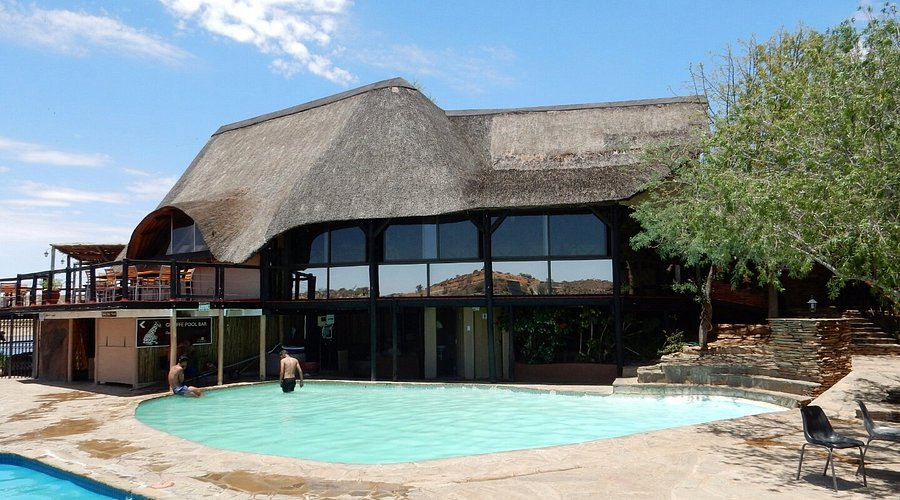
Deadvlei proved to be the ultimate location for astrophotography. As darkness fell, the Milky Way emerged in all its glory, its celestial river seemingly flowing directly over the ancient trees. Using long-exposure techniques, I captured images that conveyed the haunting beauty and timelessness of this extraordinary place. I’ve written some Deadvlei photography tips, and I always recommend bringing a wide-angle lens and a sturdy tripod.
The next morning, I climbed Dune 45 at sunrise, eager to witness the panoramic views of Sossusvlei. From the summit, I gazed out over a sea of sand dunes, their undulating forms stretching as far as the eye could see. The rising sun painted the landscape in warm hues, creating a breathtaking spectacle of light and shadow.
A Taste of Namibia: Culinary Delights
Beyond the stunning landscapes, Namibia also offers a unique culinary experience. I sampled traditional Namibian cuisine, focusing on game meats. In Windhoek, I highly recommend Joe's Beerhouse (but remember to check if this restaurant is actually still open; it is a very popular tourist attraction). Try the Oryx steak or the Kudu stew for a taste of local flavors. The traditional "braai" (barbecue) style of cooking is also a must-try, and be sure to sample "Kapana" (grilled beef strips) and "Biltong" (dried, cured meat) for an authentic Namibian experience. Consider the opportunities for Namibian cuisine and food photography and sharing the culture of the region.
An Interview with a San Elder: Traditional Knowledge of the Night Sky
I had the incredible opportunity to speak with !Kei, a San (Bushman) elder, about their traditional knowledge of the night sky. This is an excerpt from our fictional podcast interview:
Me: !Kei, what stories do the stars tell in your culture?
!Kei: The stars are our ancestors, watching over us. Each constellation tells a story of our past, of the animals and the spirits that guide us.
Me: How has your connection to the land influenced your understanding of the night sky?
!Kei: We are children of the land, and the sky is our roof. We see the patterns of the stars reflected in the patterns of the desert. The cycles of the moon guide our hunting and gathering.
Me: What celestial events hold special significance for your people?
!Kei: Eclipses are powerful times. They remind us of the balance between light and darkness, and the importance of respecting the forces of nature.
This conversation provided invaluable insight into the San people Namibian astronomy knowledge, highlighting their deep ancestral connection to the land and their profound understanding of the cosmos. This falls into the topic of ethnoastronomy, the study of how different cultures understand the night sky.
Namibian Nights: The Experience
Witnessing the Namib Desert under the stars was a profound experience. The sheer vastness of the landscape, the unparalleled darkness of the sky, and the sense of connection to something larger than myself – it all left an indelible mark. If you're looking for an unforgettable adventure and a chance to witness the universe in all its glory, I urge you to visit Namibia and experience its unique landscape and Namibia astrophotography tours. You won't be disappointed.
(TikTok/Reels Video Description)
(Video: 15-second time-lapse of the Milky Way arching over the dunes of Sossusvlei. Starts with a wide shot of the red dunes under starlight, a dust devil swirling across the sand. As the time-lapse progresses, the astrophotographer walks into the frame and sets up equipment, casting a shadow. The ISS streaks across the frame.)
Unveiling the Universe in Namibia! ✨ Witness the magic of the Milky Way over Sossusvlei in one of the darkest places on Earth. 🌌 Don't miss the surprise appearance of the International Space Station! 🚀 #Namibia #Astrophotography #MilkyWay #DarkSky #Sossusvlei #Travel #Space #Timelapse #Photography #Africa