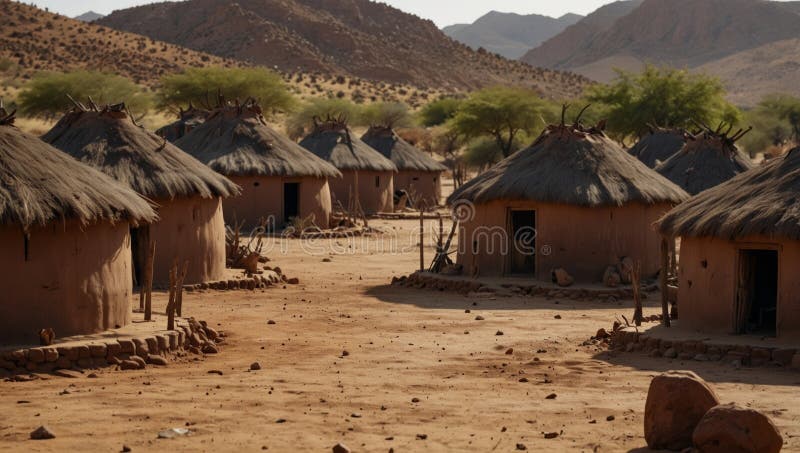
Namibia: Where Architecture Meets Eternity
Right, Namibia
Right, Namibia. A name that, for most, conjures images of…sand. Lots and lots of sand. As an architectural historian with a penchant for the aesthetically austere, I found myself drawn to this seemingly barren landscape. I wasn't disappointed. In fact, Namibia is an architectural study in extremes, a place where the forces of nature have sculpted masterpieces and where human ingenuity strives to harmonize. Perhaps you're interested in Namibia architecture tours? Let's begin.
Sossusvlei: Nature's Grand Design
Sossusvlei. The name itself sounds like a minor cough. But do not be deceived. These are no mere sandpiles. We are talking about geological titans, sculpted by millennia of wind and time. The dunes, particularly Dune 45, are architectural masterpieces in their own right. The curvature, the proportion, the sheer audacity of their scale – it's enough to make Le Corbusier weep with envy. The play of light and shadow across their surfaces is a masterclass in natural design.
These sand dunes formed over millions of years as sand was carried from the Kalahari Desert to the coast by the Orange River, then carried north by the Benguela current. The winds then deposited this sand in the Namib Desert. I was astonished to see the patterns that nature had created. Sossusvlei's landscape has certainly inspired many examples of Namibian cultural architecture.
Etosha National Park: A Symphony of Space and Wildlife
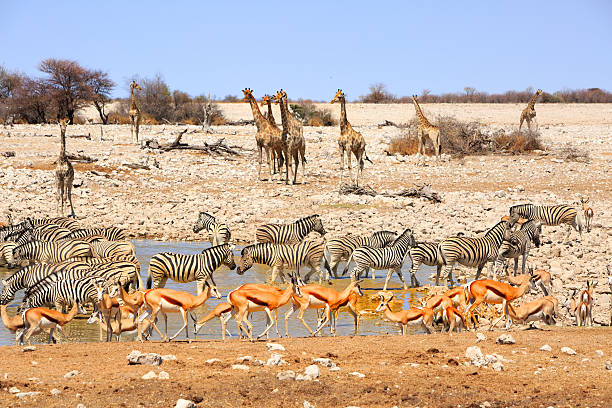
From the towering dunes to the vast, flat expanse of Etosha Pan, the change in scenery is rather abrupt. Imagine a salt flat so large it could swallow the Isle of Wight whole. In the dry season, it's a blindingly white, surreal landscape. But it's also a magnet for wildlife.
Here, one finds Gemsbok seemingly unaffected by the baking sun. One also finds desert-adapted elephants making their way to a watering hole - a great sight for an animal lover, even if they are not particularly aesthetically pleasing. Adaptations are key when examining architecture in an Namibia extreme environment architecture.
Unique Wildlife Adaptations
The Gemsbok, with its striking black and white markings and long, spear-like horns, has evolved to thrive in this arid environment. They can survive for extended periods without water, obtaining moisture from the plants they consume. The desert-adapted elephants, too, display remarkable resilience. They possess larger feet than their savanna counterparts, allowing them to traverse the sandy terrain with ease. Their ability to locate and access underground water sources is truly astonishing.
Lessons from the San: Resourcefulness and Adaptation
I opted for a guided walk with a local San guide. I thought he would tell me about animal life. He did, but he also told me how to extract water from a root. Astonishing. It's a lesson in resourcefulness and adaptability that any architect could learn from. The man could have survived the apocalypse with the things he knows. He truly understands the need for Namibia desert architecture planning.
Wolwedans Dunes Lodge: A Masterclass in Integration
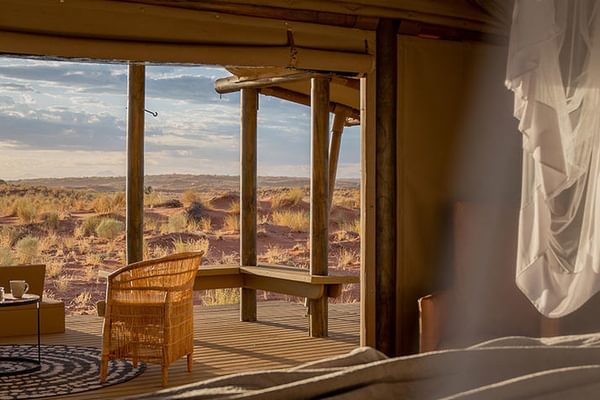
Ah, Wolwedans. This is where my journey met with a rare aesthetic pleasure. Looking for Namib Desert sustainable lodges? The lodge is not just in the landscape, it's of the landscape. The individual chalets, constructed from canvas and wood, blend seamlessly with the surrounding dunes. It's vernacular architecture Namibia at its finest. The integration is such that even the most discerning eye would have trouble spotting the lodge from a distance.
Sustainable Architectural Features
They employ a sophisticated water recycling system, which I find particularly impressive. And all power comes from solar. The use of local materials isn’t just a design choice; it's a statement of commitment to sustainability. The architect clearly understood that the best way to enhance the beauty of the desert is to interfere with it as little as possible.
I had to admire the way the architecture flowed like water. It was, without a doubt, a masterpiece.
Architectural History of Wolwedans Dunes Lodge
The lodge was founded in 1995 by Albi Brückner, inspired by a passion for conservation and a vision for sustainable tourism. Wolwedans has been an example of desert architectural integration that others have attempted to emulate since. If you are seeking sustainable architecture Wolwedans Dunes Lodge review, I recommend it without hesitation.
Ongava Tented Camp: Elevated Perspectives
Ongava Tented Camp presents a different approach, yet still respects the environment. Here, the focus is on elevated, open-air structures that offer panoramic views of the surrounding bush. It creates the feeling of almost being in nature as you lay down to sleep.
Sustainable Architectural Features
The camp integrates seamlessly with the rugged terrain, using natural materials and minimizing its environmental footprint. The camp uses solar panels to generate electricity, and its water is heated by solar geysers.
Here, everything is at one with nature. The architect knew they were working with a landscape that had been the same for millions of years, and did everything in their power to respect that.
Architectural History of Ongava Tented Camp
Ongava lodge was established in the early 1990's and has been in a continual state of architectural integration ever since. The architecture of the lodge aims to have the least impact possible on the surrounding landscape. The minimal impact architecture Ongava Tented Camp stay is a powerful reminder of how architecture can live in harmony with nature.
Namibian Cuisine: A Taste of the Land
One must not underestimate the delights of Namibian cuisine. Biltong, the air-dried, cured meat, is a delightful, quick snack that packs a punch. Braaivleis, the barbecue, is of course popular, and one can enjoy Springbok and Oryx on it. I was pleasantly surprised.
How does Namibian cuisine influence Namibia architecture tours? These cultural aspects are an important factor when examining the way people adapt to the environment.
Stargazing in the Namib Desert: A Celestial Cathedral
Far away from light pollution, the Namib Desert becomes a cathedral of stars at night. The Milky Way stretches across the sky like a celestial river, and the constellations blaze with unparalleled brilliance. It's a sight that reminds one of our place in the universe. Stargazing, it is here, is the ultimate test of architecture and design. It is one the sand and soil will win.
The sheer scale of the universe in the Namib desert makes one feel very small, and this has a profound impact on ones perspective of the architecture we create here on Earth.
Conclusion: An Architectural Safari
Namibia is not just a landscape; it's an architectural study in extremes. It's a place where the forces of nature have created masterpieces of form and texture, and where human ingenuity strives to harmonize with the environment. So, if you're seeking a destination that challenges your aesthetic sensibilities and awakens your sense of wonder, pack your bags and embark on this architectural safari. And maybe book Namibia architecture tour with Dr. Finch. Just don't forget your sunscreen. And finally, one has to ask oneself, if architecture isn't eternity, what is it? Then one has to ask ones guide, who will inevitably say "Yes, Mzungu, this is Namibia."