Namibia Through My Lens: A Wildlife Photographer...
Namibia. The name alone conjures images of vast, untamed landscapes, and for a wildlife photographer like myself, Anya, it’s a siren song I couldn’t resist. Fresh off my 28th birthday, I embarked on a journey to capture the raw beauty of this extraordinary country through my lens. From the wildlife-rich plains of Etosha to the towering dunes of the Namib Desert and the haunting Skeleton Coast, Namibia delivered a sensory overload of incredible experiences. Join me as I recount my adventure, sharing my challenges, triumphs, and the sheer magic of photographing Namibia’s wild heart. This is more than just a travel blog; it’s a personal exploration of a land that forever changed my perspective, answering many key questions such as "What is the best time to visit Etosha for wildlife photography?" and "How dangerous is it to quad bike in the Namib Desert?" So, pack your bags (virtually, for now!) and let's dive in!
Etosha National Park Safari: Chasing the Golden Hours
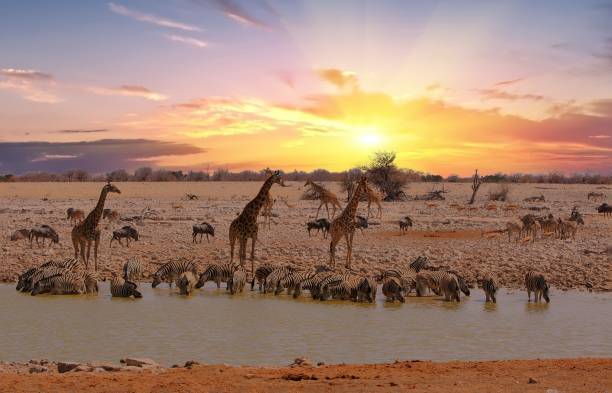
My Namibian adventure began in Etosha National Park, a vast expanse dominated by a massive salt pan. I joined a three-day guided safari, determined to capture the park's incredible wildlife during the coveted golden hours – 6-8 am and 4-6 pm. These times offer the most flattering light, painting the landscape in warm hues and creating dramatic shadows.
The stark, white salt pan created a surreal backdrop for the diverse wildlife. Elephants, giraffes, zebras, and countless bird species flocked to the watering holes, providing endless photographic opportunities. One of the biggest challenges, however, was photographing the elusive black rhino against the dark, often shadowed landscape. I relied heavily on my Canon EOS R5, paired with a versatile 100-500mm lens, to isolate the subjects and maximize available light.
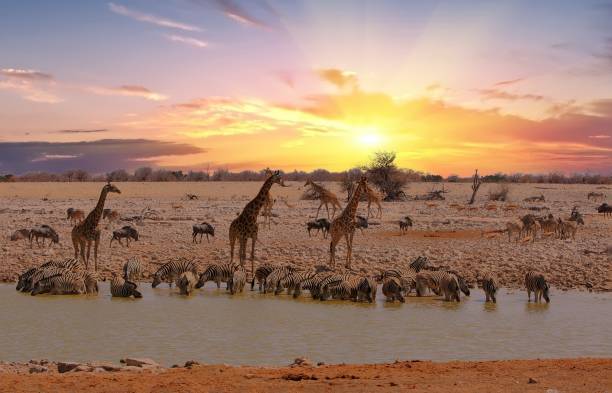
My most memorable moment in Etosha was undoubtedly capturing a lion pride at a watering hole during sunset. The golden light raked across the landscape, transforming the lions into dramatic silhouettes against the fiery sky. I used the available light to emphasize their powerful forms, creating a series of images that truly captured the essence of these magnificent creatures. Consider visiting during the dry season to witness such amazing wildlife gatherings, as the animals are forced to find water, increasing the chances of photographable moments. For beginner photographers, I recommend a Namibia photo safari.
Namib Desert Quad Biking: Riding the Sossusvlei Dunes
Leaving behind the wildlife-rich plains of Etosha, I headed south to the Namib Desert, specifically to Swakopmund, where I embarked on a thrilling quad biking adventure near Sossusvlei. The towering red dunes of Sossusvlei are a sight to behold, and experiencing them at sunrise was simply breathtaking.
As the sun peeked over the horizon, the light danced across the sand, creating long, dramatic shadows that emphasized the sheer scale of the dunes. It was a photographer’s dream! However, the fine sand proved to be a constant challenge, requiring me to diligently protect my camera equipment. Zip-lock bags and regular cleaning became my best friends.
The texture of the rippled sand, sculpted by the wind, was incredible. I spent hours chasing the light, experimenting with different angles and compositions to capture the essence of this surreal landscape. I even encountered a few desert-adapted creatures, like the tok-tokkie beetle, adding another layer of interest to my images. If you're planning a trip, search for "Namib desert quad biking tour from Swakopmund."
Skeleton Coast Scenic Flight: A Desolate Masterpiece
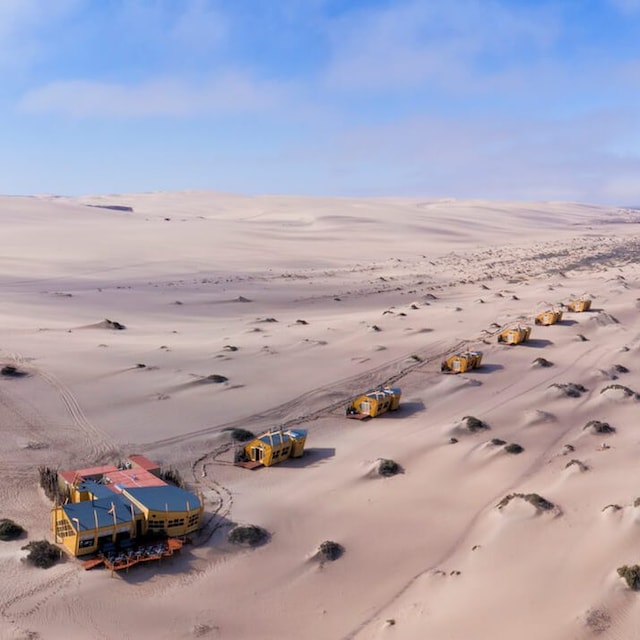
Next on my itinerary was a scenic flight over the infamous Skeleton Coast. This remote and desolate stretch of coastline is littered with shipwrecks, a stark reminder of the ocean's unforgiving power. Seeing it from above was an unforgettable experience.
From the air, I witnessed the dramatic meeting point of the Namib Desert and the Atlantic Ocean. The rusty wrecks, scattered along the shoreline like forgotten toys, created a striking visual contrast against the stark, sandy landscape. I used a wide-angle lens (16-35mm) to capture the vastness of the scene, emphasizing the scale of the desert and the relentless power of the ocean.
The Skeleton Coast is a photographer’s paradise, offering a unique blend of beauty and desolation. I encourage you to search "Skeleton Coast photography tips for desolate landscapes" to get a better idea of how to frame the perfect photo.
TikTok Video Concept: Skeleton Coast Desolation
Here’s a quick TikTok video concept I envisioned while soaring above the Skeleton Coast, aimed at capturing the raw beauty and desolation:
- HOOK (0-1 second): Start in medias res with a dramatic slow-motion close-up (shot on RED at 240fps) of rusted metal flaking off a shipwreck, revealing the orange rust contrasting against the blue ocean.
- SCENE (1-5 seconds): Wide, cinematic shot (4K, drone footage) of the Skeleton Coast, emphasizing the vastness and desolation. Use dramatic lighting at sunset (golden hour) with long shadows stretching across the beach. Dutch tilt camera angle to enhance the sense of unease and isolation. Audio: Haunting, minimalist electronic music.
- TWIST (5-8 seconds): Suddenly, a burst of movement: A lone jackal (shot with a telephoto lens, rapid zoom) scavenges near the shipwreck, highlighting the unexpected survival in this harsh environment. Cut to a rapid succession of shots showing other signs of life – a few hardy desert plants, crashing waves.
This will leave the viewer with a sense of amazement and isolation!
Himba Village Visit: A Cultural Immersion
My journey wouldn't have been complete without a visit to a Himba village. The Himba are an indigenous people of northern Namibia, known for their distinctive red ochre skin and intricate hairstyles. It was an incredible opportunity to learn about their unique culture and traditions.
However, it was also a reminder of the ethical considerations involved in photographing indigenous communities. I made sure to receive explicit consent before taking any photos, respecting their wishes and boundaries. I wanted to capture their beauty and dignity, not exploit their image. I spent time talking to the women, learning about their daily lives, and sharing stories. It was a humbling and enriching experience.
Remember, ethical considerations are paramount when photographing indigenous cultures, especially the Himba tribe. Always seek consent and respect their customs. Before you travel, research "Ethical considerations for photographing Himba tribe culture."
A Taste of Namibia: Food and Drink
No travel experience is complete without indulging in the local cuisine. During my stay at a local lodge, I had the pleasure of trying braaivleis, a Namibian barbecue. The Oryx steak, marinated in Namibian herbs, was a revelation. It was presented beautifully on a wooden platter with roasted vegetables, a true feast for the senses.
Throughout my game drives, I snacked on Biltong, a type of dried, cured meat. The Kudu flavored Biltong was particularly delicious, providing a much-needed energy boost during long days of shooting. And after a long day of capturing the Namibian wilderness, nothing tasted better than a cold Windhoek Lager in a frosted glass. Its crisp, refreshing taste was the perfect way to unwind and reflect on the day's adventures. This local beverage is a must-try!
The Contrasting Landscapes of Namibia
One of the things that struck me most about Namibia was the dramatic contrast between its landscapes. The flat, white expanse of the Etosha salt pan felt otherworldly, a stark and unforgiving environment that tested the limits of survival. The cracked earth and shimmering mirages created an illusion of endlessness.
In contrast, the towering red dunes of Sossusvlei were a symphony of color and texture. The rippled sand, sculpted by the wind, formed ever-changing patterns that were mesmerizing to photograph.
Finally, the desolate, shipwreck-strewn Skeleton Coast presented a hauntingly beautiful landscape. The rusted metal of the wrecks, juxtaposed against the vastness of the Atlantic Ocean, created a powerful sense of isolation and decay.
Gear List
| Item | Brand | Model | Use |
|---|---|---|---|
| Camera Body | Canon | EOS R5 | Primary camera for wildlife and landscape photography |
| Lens | Canon | 100-500mm | Wildlife photography in Etosha |
| Lens | Canon | 16-35mm | Landscape photography, Skeleton Coast scenic flight |
| Cleaning Kit | LensPen | SensorKlear II | To keep gear free of dust and sand |
| Extra Batteries | Canon | LP-E6NH | To keep shooting all day |
| Memory Cards | SanDisk | Extreme Pro | To ensure fast transfers for 4K video and high res photos |
Is Namibia Safe?
Many potential travelers ask "Is Namibia safe for solo female travellers?" and the answer is complex. While Namibia is generally considered a safe country, particularly for tourists, it's essential to exercise caution and be aware of your surroundings. Petty theft can occur in urban areas, so it's wise to keep valuables secure and avoid walking alone at night in less-populated areas. Consulting your local embassy will also give you a realistic idea of the current safety situation.
Conclusion: Namibia – A Photographer's Paradise
My journey through Namibia was an unforgettable experience. From the thrill of capturing a lion pride at sunset to the humbling experience of visiting a Himba village, every moment was filled with wonder and inspiration. The stark contrasts of the landscapes, the incredible wildlife, and the rich cultural heritage made Namibia a true photographer's paradise. If you're looking for an adventure that will challenge and inspire you, I highly recommend adding Namibia to your list. And remember, pack your camera, respect the environment, and be prepared to be amazed! Now that you've virtually travelled with me, why not start planning your own Namibian adventure? Check out vistalocation.com for amazing tour packages and start capturing your own memories!