Namibia Self-Drive Safari: Etosha to Namib – An...
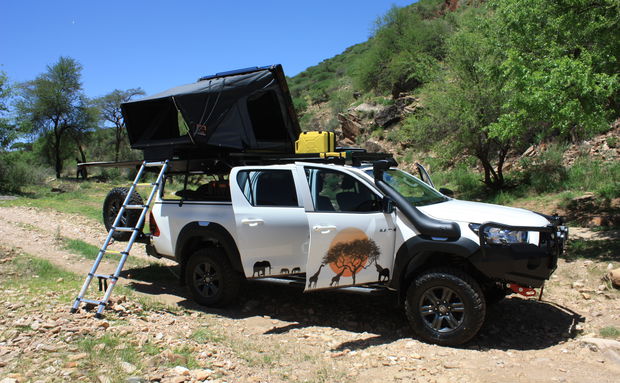
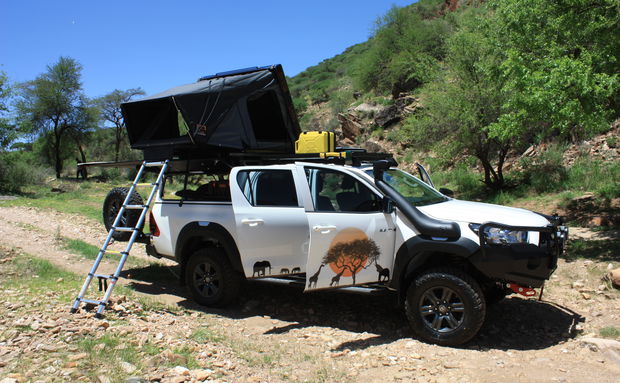
Namibia. The name itself conjures images of vast, ochre landscapes, skies teeming with stars, and wildlife encounters that etch themselves onto your soul. My 10-day Namibia self-drive safari was precisely that – and so much more. From the moment I picked up my trusty Toyota Hilux 4x4 in Windhoek, a thrill coursed through me, tinged with a healthy dose of apprehension. Driving on those legendary Namibia gravel roads was an experience in itself, but the promise of Etosha National Park and the Namib Desert beckoned, promising an adventure I’d never forget. This is my story, and hopefully, it will inspire you to embark on your own Namibian odyssey.
The Gravel Road Gauntlet: Windhoek to Etosha
Leaving Windhoek behind, the tarmac soon gave way to the infamous gravel roads of Namibia. Let me tell you, it's a different kind of driving! The Hilux handled it admirably, but it took a few hours to adjust to the constant corrections needed to stay on course. Keeping a safe speed, typically between 60-80 km/h, is crucial. Overconfidence is your enemy here. The landscape began to transform, the lush greenery of the highlands receding to reveal the arid beauty of the central plateau. The anticipation of seeing wildlife grew with every kilometer, the thought of Etosha Namib Desert Self-Drive fuelling my determination.
Etosha National Park: A Wildlife Photographer's Paradise
Etosha National Park is a wildlife spectacle unlike anything I’ve ever witnessed. The vast Etosha Pan, a shimmering mirage in the distance, dominates the landscape. The park's lifeblood are its waterholes, magnets for a stunning array of animals. Armed with my Sony a7iii and a 100-400mm lens, I spent countless hours patiently waiting at these oases.
Lions, Elephants, and the Symphony of the Wild
My first encounter was unforgettable: a pride of lions lounging languidly under the shade of an acacia tree, their golden coats blending seamlessly with the dry grass. Later, a herd of elephants lumbered into view, their massive frames casting long shadows as they quenched their thirst. Giraffes, with their elegant necks, delicately sipped water, while zebras grazed peacefully nearby. The sheer abundance and variety of wildlife was breathtaking.
The Colors of Isolation: Photography Tips
The colors of Etosha are subtle yet captivating: the dusty browns and yellows of the savanna, the brilliant white of the pan, and the deep blues of the vast sky. The feeling of isolation is profound, a sense of being utterly alone in a world teeming with life.
Photographing wildlife in Etosha National Park tips:
- Patience is key: Arrive early at the waterholes and be prepared to wait.
- Use a telephoto lens: Get close-up shots without disturbing the animals. (Sony a7iii with a 100-400mm lens)
- Shoot during the golden hours: The light is soft and flattering in the early morning and late afternoon.
- Be aware of your surroundings: Keep a safe distance from the animals and respect their space.
Namib Desert: A Sea of Sand and Sky
The transition from Etosha to the Namib Desert was a dramatic shift. The landscape transformed from savanna to stark, desolate beauty. Driving through this ancient landscape was a surreal experience.
Sunrise Over Sossusvlei: A Hot Air Balloon Dream
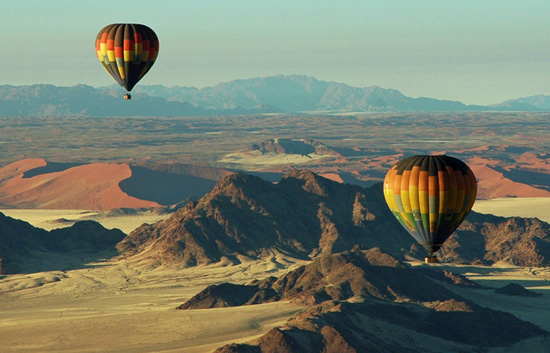
The highlight of my Namib Desert experience was undoubtedly the pre-booked hot air balloon ride over Sossusvlei at sunrise. As the first rays of light kissed the towering dunes, the landscape was bathed in an ethereal glow. Floating silently above this ancient sea of sand, I felt an overwhelming sense of awe and wonder. The scale of the dunes was breathtaking, their sinuous curves sculpted by millennia of wind. It was a truly unforgettable experience. Hot air balloon over Sossusvlei reviews often highlight the breathtaking views, and I can attest to that!
A Namibian Braai Under the Stars
After a day of exploring, there's nothing quite like relaxing at a campsite under the vast Namibian sky. One evening, at a campsite near Sesriem, I experienced a traditional Namibian "braai" (barbecue). The flavors of grilled kudu and oryx, cooked over an open fire, were simply divine. Sharing a meal with fellow travelers, swapping stories under a blanket of stars, created a communal atmosphere that was truly special.
Mopane Worms: An Acquired Taste
Then came the Mopane worms. I decided to be adventurous and try this local delicacy. My honest reaction? The texture was…interesting. Chewy, to say the least. The taste was earthy, slightly smoky, and definitely an acquired taste. While I can't say I loved them, I'm glad I tried them. It was a true cultural experience! Namibian braai experience recipes often include interesting sides, but nothing quite as unique as the Mopane Worm.
Visiting a Himba Tribe Village: A Cultural Exchange
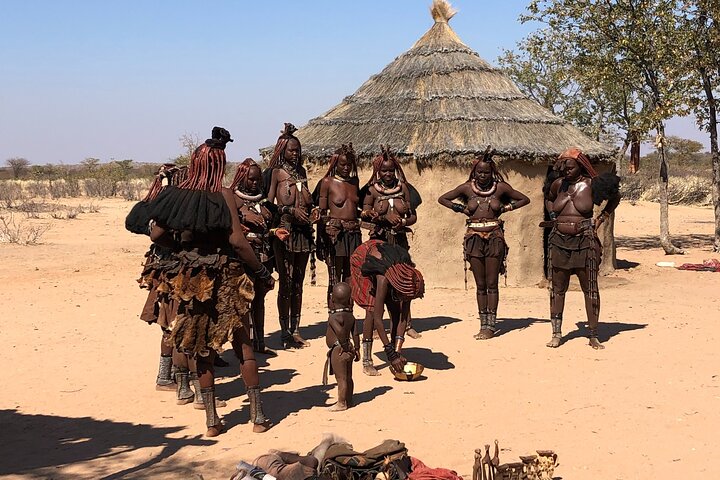
Near Opuwo, I had the unique opportunity to visit a Himba tribe village. It's crucial to approach these experiences with respect and sensitivity. Remember, you are a guest in their home. Himba tribe cultural tour experience Namibia should focus on ethical and responsible interactions.
The Himba people are known for their distinctive appearance. The women adorn themselves with ochre paste, giving their skin a reddish hue. Their elaborate hairstyles and traditional clothing are a testament to their rich cultural heritage. I spent some time talking to a young woman named Kauna, learning about her daily life and traditions. Her warmth and openness were truly touching. This cultural exchange provided a valuable insight into a way of life so different from my own. Himba Tribe Cultural Tour Namibia is an amazing chance to connect with another culture.
Responsible Tourism: A Note
It's important to choose tour operators that prioritize the well-being and cultural preservation of the Himba people. Ensure that your visit benefits the community directly.
Stargazing in the Namib: A Cosmic Tapestry
The Namib Desert is one of the darkest places on Earth, making it a stargazer's paradise. The clarity of the night sky is simply breathtaking. Countless stars shimmered above, forming constellations that I could never see back home. I downloaded a stargazing app on my phone, which helped me identify constellations like Orion, Scorpius, and the Southern Cross. Lying on my back, gazing up at the infinite expanse of the universe, I felt utterly dwarfed yet strangely connected to something much larger than myself.
Namibia Self-Drive Practicalities: Where to Stay and What to Pack
Here are a few lodges and campsites I visited during my Namibia self-drive adventure, along with some practical advice:
- Etosha Safari Camp: Comfortable accommodation with excellent wildlife viewing opportunities.
- Sossusvlei Desert Lodge: A luxurious oasis in the heart of the Namib Desert.
- Palmwag Lodge: A great base for exploring Damaraland.
Namibia Self-Drive Budget Tips: Camping is significantly cheaper than staying in lodges.
Packing Essentials for Namibia:
- Camera Equipment: Sony a7iii with a 24-105mm lens and a 100-400mm lens.
- Binoculars: Essential for spotting wildlife.
- Sunscreen, hat, and sunglasses: The sun is intense.
- Lightweight clothing: Temperatures can fluctuate dramatically.
- Sturdy hiking boots: For exploring the dunes and rocky terrain.
- First-aid kit: Including medications for common ailments.
4x4 Namibia Gravel Road Driving: Deflate your tires slightly to improve traction on gravel roads. Carry at least one spare tire and know how to change it. Namibia self drive gravel road tips and tricks include driving at a safe speed and being aware of approaching vehicles.
Is Namibia safe for self-drive? Generally, yes. However, it's important to take precautions:
- Avoid driving at night.
- Lock your doors and windows.
- Don't leave valuables in your car.
- Be aware of your surroundings.
What to pack for a Namibia safari? Pack light, comfortable clothing, sunscreen, a hat, sunglasses, and sturdy hiking boots. Don't forget your camera and binoculars!
A Land of Resilience
Namibia is a land of extremes, a place where life has adapted to survive in the harshest conditions. The resilience of the wildlife, the beauty of the landscape, and the warmth of the people all left an indelible mark on my soul. My self-drive Namibia adventure was more than just a trip; it was a transformative experience. If you're looking for an unforgettable journey, I urge you to experience the magic of Namibia for yourself. Book your Namibia Self-Drive Safari Packages today and prepare to be amazed!