Namibia on a Shoestring: Stargazing, Safaris, an...
Namibia. The name alone conjures images of towering dunes, endless skies, and a raw, untamed beauty. I recently returned from a budget Namibia adventure, and I'm still processing the incredible experiences. From capturing the cosmos with a telescope to tracking scorpions under UV light, feasting on local delicacies, and engaging with groundbreaking wildlife research, this trip proved that adventure doesn't have to break the bank. Forget luxury lodges and guided tours – I’m here to show you how to explore Namibia authentically, ethically, and without emptying your savings. Get ready to explore!
Dark Skies, Low Costs: Astrophotography on a Budget
One of my biggest goals for this trip was to photograph the Eta Carinae Homunculus Nebula in true color using LRGB filters. Astrophotography is usually seen as an expensive hobby, but with careful planning, it can be done affordably, especially in Namibia's famously dark skies. I brought along my trusty ZWO ASI1600MM-Cool monochrome camera and a Sky-Watcher Evostar 72ED telescope. LRGB filters separate light into red, green, blue, and luminance channels. Capturing each channel requires multiple exposures, followed by meticulous calibration using dark frames, flat frames, and bias frames to remove sensor noise and uneven illumination.
Light pollution posed a challenge, even in Namibia. To find sufficiently dark patches, I used a Sky Quality Meter (SQM) to measure the night sky brightness. I was aiming for areas with a Bortle Scale rating of 4 or lower.
But astrophotography isn't without its ethical considerations, a point that often gets overshadowed. While it lacks the direct impact of wildlife photography, light pollution can significantly affect nocturnal wildlife and disrupt ecosystems. Artificial light disorients insects, disrupts the hunting patterns of predators, and interferes with the breeding cycles of many species. We need to be mindful of dark sky preservation and responsible tourism. Consider the placement of your astrophotography setup and minimize light spill. The Dark Sky Association certification is a testament to this effort.
Soaring Above the Sands: Paragliding Over the Namib
Next up was paragliding over the majestic Namib Desert! This was a bucket-list item, and I managed to find a local operator offering reasonable rates. Strapped into my harness, I soared above a landscape sculpted by millennia of wind and time, making sure I had my GoPro Hero 11 Black with GPS enabled to capture every moment.
My primary focus was capturing footage of the Tsauchab River's course, a dry riverbed that snakes its way through the dunes, and the incredible layering in the sedimentary rock formations. The GoPro's GPS allowed me to add geotags to the footage later using DaVinci Resolve, pinpointing the exact locations of these geological wonders.
Stalking the Night: A Scorpion Safari Adventure Cost
Forget the big five! I was on the hunt for something smaller, something that glows under UV light: the Hottentotta arenaceus scorpion. These scorpions are masters of desert survival, burrowing into the sand to escape the harsh daytime heat and emerging at night to hunt.
To capture these elusive creatures, I used a macro lens with a 105mm focal length and a ring flash for even illumination. A UV flashlight (395nm wavelength) revealed their fluorescent exoskeletons in a mesmerizing display. Witnessing their hunting tactics – ambushing unsuspecting insects from their burrows – was a highlight of the trip. Remember to always respect their space and avoid disturbing their habitat.
A Taste of Namibia: Eru, Oshithima, and Authentic Flavors
Namibian cuisine is a delightful surprise, offering a blend of indigenous ingredients and cultural influences. While meat is prevalent, I wanted to focus on traditional plant-based dishes. I had the opportunity to learn how to prepare Eru and Oshithima, staples of the Herero diet.
Eru is a flavorful stew made with finely chopped spinach (often a combination of wild spinach and cultivated varieties), onions, and sometimes peanuts or dried meat for added richness. The key to Eru is the preparation of the spinach. It's traditionally pounded using a pestle and mortar until it reaches a fine, almost paste-like consistency. This releases the flavors and creates the characteristic texture of the dish. Eru is often served alongside Kapana, grilled beef strips, but it's delicious on its own.
Oshithima is a traditional porridge made from Omahangu, a type of millet that is a staple crop in Namibia. The Omahangu grains are ground into a flour, which is then cooked with water until it forms a thick, smooth porridge. Oshithima is incredibly nutritious, providing a good source of carbohydrates, fiber, and essential minerals. It's a simple but hearty dish that reflects the resourcefulness of the Herero people.
Decoding the Desert: An Interview with Dr. Stander
One of the most rewarding experiences was interviewing Dr. Stander, a wildlife researcher studying bat-eared foxes (Otocyon megalotis) around Etosha National Park. His work focuses on using bioacoustics to understand the behavior and ecology of these fascinating creatures.
Dr. Stander uses sophisticated software like Raven Pro to analyze spectrograms of fox calls, identifying subtle differences in vocalizations that can reveal information about individual identity, social status, and even emotional state. He explained how climate change is affecting the foxes' feeding ecology, with shifts in rainfall patterns impacting the availability of their primary food source: insects. For more in-depth insights, keep an eye out for his upcoming paper, "Stander, L. et al., 'Acoustic Monitoring of Bat-Eared Fox Populations Under Climate Stress,' Ecological Indicators, 2024". His research shows why desert wildlife conservation is so important.
Budget Breakdown: Making Namibia Affordable
Namibia is often perceived as an expensive destination, but with some savvy planning, it can be surprisingly affordable. Here are some budget-friendly options to consider:
- Accommodation: Camping at designated sites within the Namib-Naukluft Park is an excellent option (permit costs are around $10-20 per night). Alternatively, guesthouses in Solitaire offer basic but comfortable rooms at reasonable prices (around $30-50 per night).
- Transportation: Renting a 4x4 is recommended for exploring the desert, but it can be pricey. Consider splitting the cost with travel partners. Fuel costs average around $1.20 per liter.
- Food: Self-catering is the most budget-friendly option. Stock up on groceries in larger towns and prepare your own meals. Local markets offer affordable produce.
- Activities: Many activities, like hiking and stargazing, are free. Shop around for the best deals on tours and activities.
Leave No Trace: Ethical Travel in the Desert
The desert is a fragile environment, and it's crucial to minimize our impact. Here are some "leave no trace" principles specific to desert environments:
- Water Conservation: Water is a precious resource in the desert. Be mindful of your water usage and avoid unnecessary waste.
- Protect Soil Crusts: Desert soils are often covered in delicate biological crusts that are essential for preventing erosion. Avoid walking or driving on these crusts.
- Respect Wildlife: Observe wildlife from a distance and avoid disturbing their natural behavior. Never feed animals or leave food scraps behind.
- Pack It In, Pack It Out: Carry out everything you carry in, including trash. Dispose of waste properly.
- Minimize Campfire Impact: Use existing fire rings or portable stoves. Keep fires small and contained.
Welwitschia mirabilis: Ancient Survivor
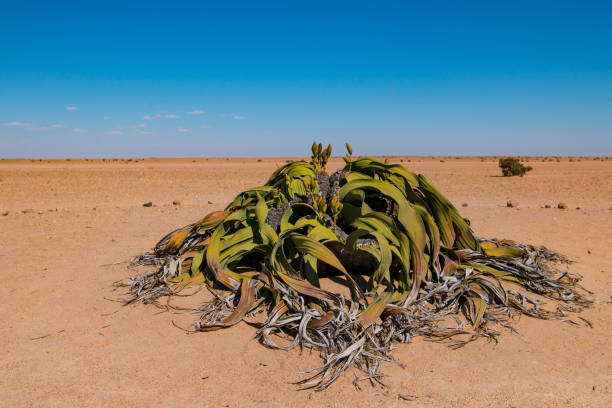
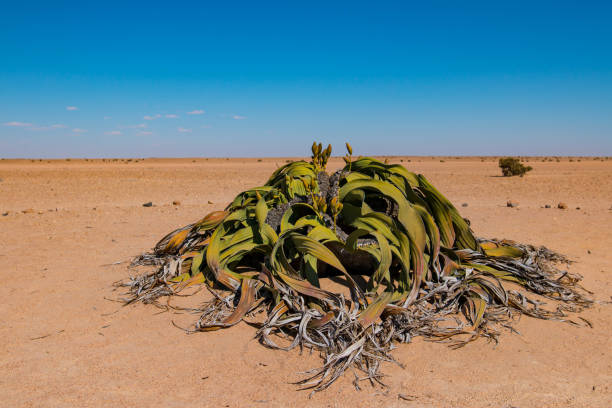
Here's a short video captured in cinematic 4K showcasing Namibia's most famous plant, Welwitschia mirabilis, shot at -23.5904, 15.1625.
Click here to view the Welwitschia mirabilis video
Final Thoughts: A Desert Adventure Awaits!
Namibia is a land of stark beauty, incredible wildlife, and unforgettable experiences. My budget-friendly adventure proved that you don't need a fortune to explore this incredible country. With careful planning, a sense of adventure, and a commitment to ethical travel, you can create your own Namibian adventure that will stay with you long after you've returned home. Start planning your trip today – the desert is calling! Consider booking an ethical photography tour to maximize your trip.