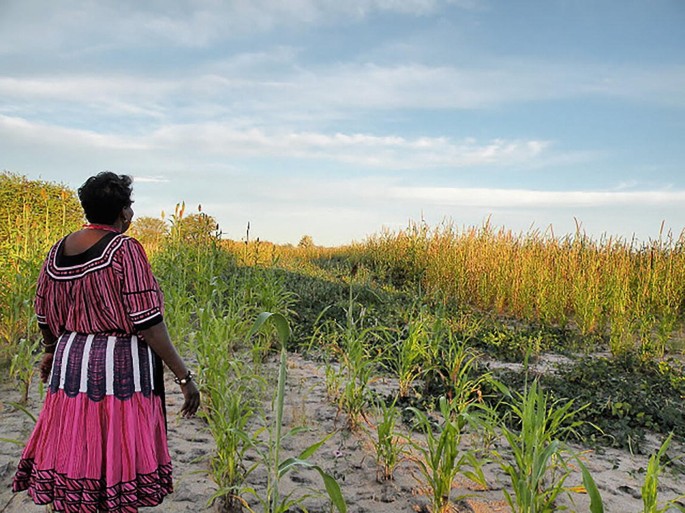
Namibia: Hear the Unheard - An Astrophotographer...
Namibia, a land of stark beauty and boundless skies, had always been a point of fascination for me, Anya Petrova. As an astrophotographer and conservation enthusiast, I yearned to explore its unique landscapes and capture the celestial wonders above. My recent trip, meticulously planned with Vistalocation.com, proved to be an immersive experience far beyond my wildest dreams, balancing cutting-edge imaging with a deep respect for the environment. From chasing nebulas under the darkest skies to understanding AI's role in wildlife conservation, Namibia etched itself into my soul. So, come along as I share my Namibian adventure, highlighting everything from stargazing in the NamibRand Nature Reserve to brewing traditional Omahangu beer.
Stargazing in the NamibRand: Unveiling the Carina Nebula
The NamibRand Nature Reserve (GPS: -24.8577° S, 16.2438° E) is a sanctuary of unparalleled darkness, making it one of the best NamibRand stargazing spots on Earth. For three glorious nights, I was immersed in capturing the ethereal beauty of the Carina Nebula. Wolwedans Dunes Lodge, with its dedicated photography package, became my home base.
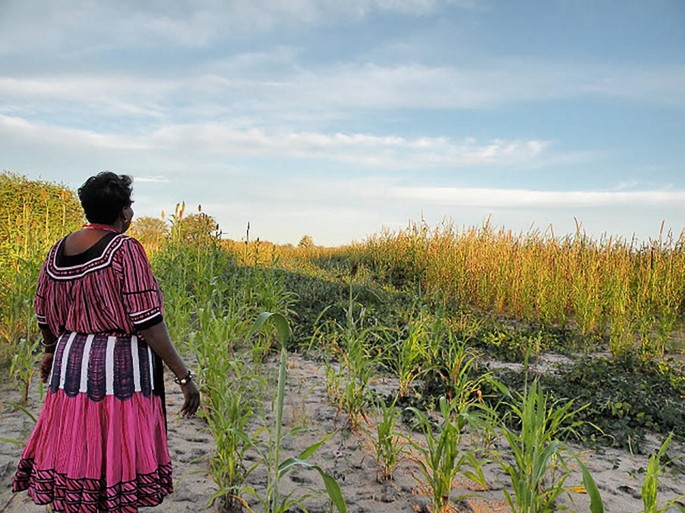
Setting up my Celestron C14 EdgeHD telescope at Wolwedans Dunes Lodge, ready to capture the Carina Nebula in narrowband filters.
My weapon of choice was a Celestron C14 EdgeHD telescope equipped with a narrowband filter set (7nm H-alpha, 3nm OIII, and 5nm SII). These filters isolate specific wavelengths of light emitted by ionized gases, revealing intricate details otherwise invisible. The raw data, however, is just the starting point. The magic truly happened during the data integration process using PixInsight software. I employed the Hubble Palette color mapping technique (SII=Red, H-alpha=Green, OIII=Blue) to bring the nebula to life. The painstaking process of aligning, stacking, and calibrating hundreds of individual frames felt almost meditative.
But it was the moment when the final image materialized that truly took my breath away. The swirling clouds of gas and dust, illuminated by the intense radiation of newborn stars, became a tapestry of cosmic creation. Anya Petrova Namibia astrophotography tour review: this experience transcended mere photography; it was a profound connection to the universe, a glimpse into the grand theater of existence. Witnessing the nebula's structure revealed in such breathtaking detail filled me with a sense of awe and wonder, reminding me of our place in the vast cosmos. Namibia Astronomic Tours Wolwedans Dunes Lodge package was worth every penny. Keep in mind that Namibia astrophotography tours can range between $5,000 - $10,000 USD.
Paragliding Over Sossusvlei: A 360° Desert Dream
Leaving the celestial realm, I embarked on a terrestrial adventure: paragliding over the Namib Desert near Sossusvlei (GPS: -24.7536° S, 15.3442° E). I booked my adventure with Sossusvlei Sky Adventures and was ready to soar! The goal was to capture a 360-degree panoramic VR view of this surreal landscape.
Launching off a dune near Sossusvlei with my paraglider and Insta360 Pro 2 camera rig, ready to capture a stunning 360° view.
For this, I used an Insta360 Pro 2 camera rig mounted on my paragliding harness. The process involved capturing multiple 8K images simultaneously, then stitching them together using Insta360 Stitcher software. The most challenging part was meticulously removing the paraglider lines from the final panorama using Photoshop’s content-aware fill. The hours spent in post-processing were a testament to my commitment to perfection.
Gliding silently above the undulating dunes, I was overwhelmed by the sheer scale and disorienting beauty of the desert expanse. The wind whispered secrets in my ear as I navigated the thermal currents. There was a strange dichotomy: I felt both vulnerable, suspended in the air with only fabric and skill between me and the ground, and utterly in control, commanding my descent like a bird of prey. The resulting VR experience allows viewers to immerse themselves in the heart of the Namib, experiencing the silence and solitude from a unique perspective. Paragliding Namib Desert Anya Petrova captured the moment perfectly.
Scorpion Safari in the Erongo Mountains: Unveiling the Night's Gleaming Jewels
The Erongo Mountains (GPS: -21.7919° S, 15.7161° E) offer a different kind of spectacle after dark: a scorpion safari. Equipped with a UV light, I ventured out to observe these fascinating arachnids. It wasn't just about seeing Parabuthus transvaalicus, but appreciating the diversity of scorpion species thriving in this arid environment.
Under the UV light, the scorpions fluoresced with an otherworldly glow. Parabuthus transvaalicus shone with a bright blue-green hue, while Opistophthalmus wahlbergii exhibited a pale yellow fluorescence. Uroplectes planimanus, on the other hand, radiated an intense cyan glow. Each species had unique adaptations for survival. The fluorescence is believed to be caused by compounds in their exoskeletons, playing a role in water conservation by reflecting UV radiation and reducing water loss, which is critical in the hyper-arid environment. Erongo scorpion safari UV light guide: make sure to bring a reliable UV flashlight for this unique experience.
Herero Goat Roast and Omahangu Beer Brewing: A Taste of Kaokoland Culture
No trip to Namibia is complete without immersing oneself in the local culture. In a Kaokoland village (near Opuwo, GPS: -18.0578° S, 13.8444° E), I had the privilege of participating in a traditional Herero goat roast and learning the art of brewing Omahangu beer. This falls directly under Namibia cultural immersion Kaokoland, and is an absolute must-do.
The Herero women generously shared their knowledge of Omahangu beer brewing. The process begins with pounding pearl millet grains (Omahangu) into flour. This flour is then mixed with water and fermented in traditional clay pots lined with Oryza sativa (African wild rice). The beer holds immense cultural significance, playing a central role in celebrations and rituals.
Here’s a simplified, modern-adapted Omahangu beer recipe (for homebrewing, please be safe and responsible):
- Ingredients: 1 kg pearl millet flour, 5 liters water, 20g dry ale yeast.
- Instructions: Boil water, mix in flour, cool to 70°C, add yeast, ferment for 5-7 days in a sanitized container.
- Safety: Always sanitize equipment; monitor fermentation temperature to avoid off-flavors.
Remember to respect the traditions and practices when engaging in such cultural experiences. Kaokoland Herero culture travel is unforgettable.
Interview with Dr. Stander: AI and Brown Hyena Conservation
Near Etosha National Park (approximate GPS: -19.0000° S, 16.0000° E), I had the honor of interviewing Dr. Stander from the Namib Carnivore Conservation Centre. He shared his fascinating work on using AI to track and analyze brown hyena movements. This work is crucial for brown hyena conservation Namibia.
Dr. Stander’s team faces the challenge of identifying individual hyenas using thermal imaging data from drones. They employ convolutional neural networks trained on thermal signatures to differentiate between animals. This data is then used to predict and mitigate human-wildlife conflict. You can read about his findings in his published paper in the Journal of Wildlife Management (Stander, L. et al., "AI-Powered Thermal Imaging for Brown Hyena Conservation," JWM, 2024). Learning about this important work was incredible.
Viral Video: Namibia - Hear the Unheard
Near Sesriem Canyon (GPS: -24.7592° S, 15.7978° E), I captured some truly special moments of a bat-eared fox using state of the art equipment:
- HOOK (0-3 seconds): Extreme close-up of a bat-eared fox's (Otocyon megalotis) huge ear twitching, capturing the faint sound of desert insects in cinematic detail (ASMR). Audio was recorded using a Sennheiser MKH 8060 microphone for ultra-high-resolution.
- SCENE (3-7 seconds): Transition to a slow-motion shot (240fps) of the fox using its ears to locate and dig up a beetle larva (likely a Scarabaeidae species). A Phantom Flex4K high-speed camera was used. Lighting: Infrared illumination (850nm) invisible to the fox.
- TWIST (7-10 seconds): The scene transforms into a CGI animation showing the fox's auditory range visualized as a pulsating soundscape across the Namib Desert. Vibrant, radiating colors emanate from the fox’s ears, highlighting its ability to detect prey underground. Overlay text: "Namibia: Hear the Unheard."
This video aims to showcase the incredible adaptations of Namibia desert bat-eared fox encounters, and the unseen world around us.
Ethics of Wildlife Photography in Namibia
As a photographer, I firmly believe in the ethical implications of my craft. It's crucial to balance capturing stunning images with preserving the natural environment. Here are some guidelines for Namibia ethical wildlife photography:
- Minimize Disturbance: Maintain a safe distance from wildlife. Avoid using flash photography at night. Do not approach wildlife nests or dens.
- Respect Habitats: Stay on designated trails. Avoid trampling vegetation. Pack out all trash.
- Responsible Drone Use: Obtain necessary permits. Avoid flying near wildlife concentrations or in protected areas without authorization. Do not harass animals with drones.
- Honest Representation: Do not manipulate images to misrepresent animal behavior or habitat conditions. Disclose any use of baiting or artificial light in the image caption.
- Social Media Awareness: Consider the potential impact of sharing location data for sensitive species. Avoid geotagging images of vulnerable wildlife or habitats. Educate others about responsible wildlife photography practices.
Ethical wildlife photography guidelines Namib Desert and elsewhere are paramount.
Conclusion: A Call to Conservation
My journey through Namibia was a transformative experience, solidifying my commitment to both astrophotography and conservation. The delicate balance between capturing stunning images and preserving the natural environment is something we must all strive to uphold. I urge you to support conservation efforts in Namibia, whether through donations to the Namib Carnivore Conservation Centre or by volunteering with local community projects. Let us ensure that future generations can marvel at the wonders of this extraordinary land.