Namibia Dark Sky Experience: A Journey for the A...
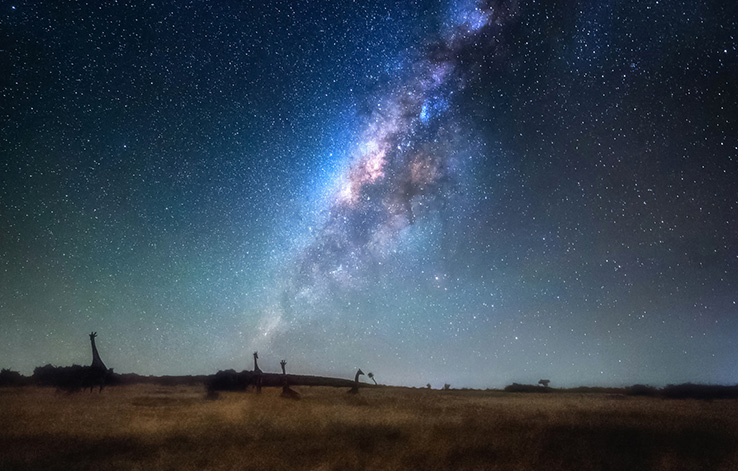
As an astrophotographer, I've chased dark skies across continents, but nothing could have prepared me for the profound experience of Namibia. The Namib Desert, one of the darkest places on Earth, isn't just a backdrop for capturing the cosmos; it's a place where the universe feels within reach. This trip was about more than just pixels and exposures. It was a journey of personal growth, cultural understanding, and a deeper connection to the universe. This blog post explores my astrophotography tour hidden gems Namibia and how the experience of shooting the stars in Namibia completely changed my life.
Stargazing Under the Southern Cross
My adventure began with a guided stargazing tour. Our guide, a passionate astronomer, led us away from the minimal light pollution, armed with a powerful Meade LX200 telescope. I've used similar equipment before, but nothing could have prepared me for the clarity of the Namibian sky. The primary targets for the night were the constellations Scorpius and Sagittarius, celestial powerhouses dominating the Southern Hemisphere. For those in the Northern Hemisphere, the brilliance of these constellations is often obscured by the horizon. Here, they blazed with an intensity that stole my breath. I felt a sense of childlike wonder, a feeling I thought I'd lost amidst the technicalities of astrophotography.
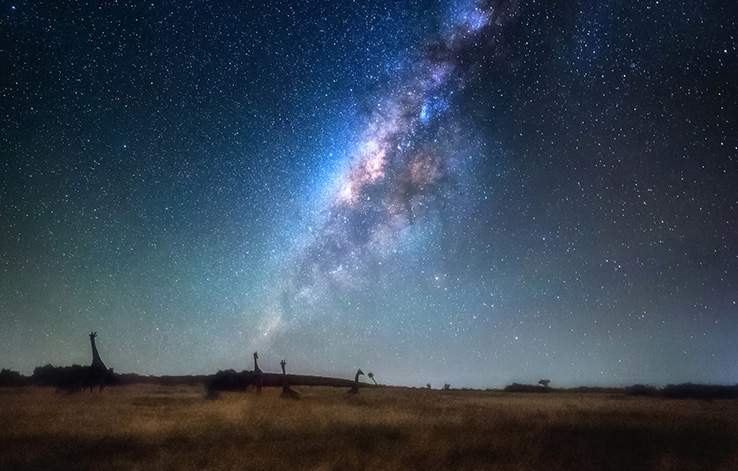
Through the telescope, the guide pointed out nebulae, star clusters, and globular clusters within Sagittarius. He explained their distances, their ages, and the processes of stellar birth and death occurring within them. I tried capturing a few images, but I found myself mostly just wanting to observe. The guide taught me about star hopping, where you use brighter stars to locate fainter objects.
A Hiddenvlei Sunrise: Hot Air Balloon Astrophotography
The following morning, I found myself floating silently above the ancient landscape in a hot air balloon. While many flock to Sossusvlei for sunrise over Dune 45, our pilot took us to Hiddenvlei, a more secluded and equally stunning location. My goal wasn't just to see the sunrise but to photograph the crepuscular rays piercing through the morning mist.
The experience was surreal. As the sun crested the horizon, beams of light painted the dunes in gold and shadow. I used a 24mm lens, set to f/8, and ISO 200 to capture the scene. The wider aperture allowed me to balance sharpness and depth of field, while the lower ISO kept the noise to a minimum. I experimented with different exposure times to get the best balance of light and shadow. Namibia stargazing hot air balloon rides are truly an experience like no other.
The Namaqua Chameleon: A Desert Survivor
Later that day, a guided desert hike revealed another fascinating aspect of the Namib: its resilient wildlife. Our guide, a wealth of knowledge about the desert ecosystem, pointed out a Namaqua Chameleon. I was fascinated by its ability to change color for thermoregulation and camouflage.
It was midday, and the sun was beating down. The chameleon was a striking mix of orange and brown, reflecting the heat and blending seamlessly with the surrounding sand. The guide explained that their skin contains specialized cells called chromatophores, which contain different pigments. These cells can expand or contract to change the color of the skin. He emphasized the importance of observing wildlife respectfully and maintaining a safe distance to avoid stressing the animals.
A Culinary Journey: From Fine Dining to Street Food
Swakopmund offered a welcome change of pace. I decided to try "The Stellenbosch Wine Bar & Bistro" (hypothetical) based on a recommendation. I opted for the Oryx Carpaccio, a local delicacy, and the waiter recommended a Chenin Blanc from the Swartland region of South Africa. The pairing was exceptional. The delicate, earthy flavors of the Oryx were perfectly complemented by the crisp acidity and subtle fruit notes of the wine. The wine pairing enhanced the meal in a way I never imagined, truly elevating the taste and experience. This made my Swakopmund culinary astronomy experience exceptional.
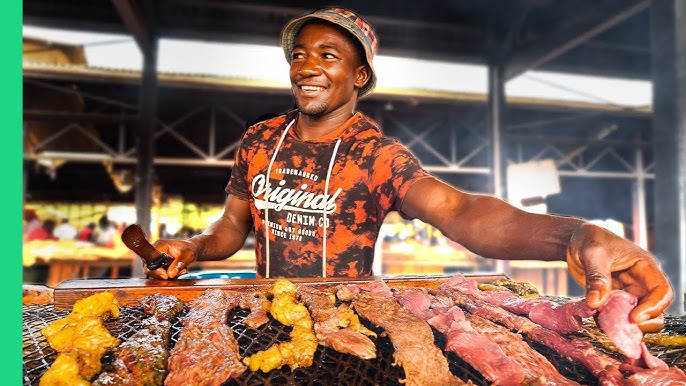
The next day, I wanted to experience something more authentic, so I tried Kapana from a local street vendor. Kapana is grilled beef, often seasoned with chili powder and salt, and served with a spicy relish. The differences between the two meals were stark. The Oryx Carpaccio was refined and elegant, while the Kapana was rustic and full of bold flavors. Both offered unique insights into Namibian cuisine, but the Kapana felt closer to the heart of the people.
Podcast Interview with !Kei: The San Perspective
One of the most impactful experiences of the trip was a fictional podcast interview I conducted with !Kei, a San elder. The San people, the oldest inhabitants of Southern Africa, have a deep understanding of the night sky, passed down through generations. Their interpretation of the "G//ana" (Milky Way) as a celestial river and their use of specific star patterns for navigation and hunting is nothing short of extraordinary. I wanted to understand their Namibia cultural astronomy travel,
Here's a snippet of our conversation:
Me: "!Kei, how does the San understanding of the 'G//ana' differ from Western astronomical concepts?"
!Kei: "The G//ana is more than just a collection of stars. It is a river of light, a pathway for our ancestors. It connects us to the spirit world and guides us on our journey through life. Your telescopes see the light, but we feel the spirit."
Me: "Can you describe a specific instance where you used star patterns to locate a water source during the dry season, and how can I, as a photographer, use those same skills?"
!Kei: "The stars tell us where the land is softest, where the water hides beneath the sand. The pattern of the gemsbok (Orion) points to the direction of the underground spring. As a photographer, you must learn to see the patterns, not just in the sky, but in the land itself. Observe the plants, the animals, the way the wind blows. The stars will guide you if you listen."
Me: "How does the increasing light pollution affect the San's ability to navigate and maintain your cultural heritage?"
!Kei: "The darkness is our map. When the artificial lights grow brighter, our map fades. Our children forget the stories of the stars, and our connection to the ancestors weakens. We must protect the darkness, for it is a part of our heritage."
Me: "What advice do you have for people coming to visit Namibia to experience the dark skies?"
!Kei: "Come with respect. Listen to the land, and learn from the stars. Do not bring too much light, for it blinds you to the beauty of the darkness. And remember that the stars are not just for seeing, but for feeling."
Viral Video: Namibian Nights
Here's a script for a 10-second viral video capturing the magic of astrophotography in the Namib:
- HOOK (0-3 seconds): A time-lapse of the Milky Way arching over the dunes (14mm, f/2.8, ISO 3200), suddenly interrupted by a bright beam of light.
- SCENE (3-7 seconds): Ground-level shot of astrophotography equipment: tripod, camera (Sony a7S III), star tracker. A headlamp (Petzl Actik Core) flashes briefly, creating dramatic shadows.
- TWIST (7-10 seconds): In the headlamp's flash, an African Wildcat is caught in the light, frozen mid-stalk, its eyes glowing, before disappearing. Superimpose text: "You Never Know What You'll Find Under the Namibian Stars."
Budget Breakdown: Namibia Astrophotography
A trip like this isn't cheap. Here's a rough breakdown:
- Flights (International): $1500 - $3000
- Accommodation (Mix of Lodges & Camping): $1000 - $2500
- Tours (Stargazing, Hot Air Balloon, Hiking): $800 - $1500
- Food & Drink: $500 - $1000
- Internal Transportation (Rental Car/Transfers): $500 - $1000
Total: $4300 - $9000+
Namibia, while incredible, leans towards a luxury experience. The remoteness and specialized tours contribute to the higher cost. It can be prohibitive to the average traveler.
Economical Dark Skies
If Namibia feels out of reach, don't despair! You can still experience incredible dark skies on a budget:
- Camping: Designated camping areas offer minimal light pollution for a fraction of the cost of lodges.
- Shoulder Seasons: Traveling during the shoulder seasons (spring or fall) can significantly lower flight and accommodation prices.
- DIY Astrophotography: Skip the expensive tours and learn to navigate the night sky yourself. There are countless online resources available.

Final Thoughts: A Universe Within
My Namibian adventure was more than just a trip; it was a transformation. The vastness of the night sky, the resilience of the desert life, and the wisdom of the San people left an indelible mark on my soul. It reminded me why I picked up a camera in the first place: to capture the beauty and wonder of the world around me. I encourage you to seek out your own dark sky adventures. Whether it's in Namibia or closer to home, the universe is waiting to be discovered. Go experience the Namibia dark sky photography yourself and see why this place is so special.