Namibia Astrophotography Tour: A Journey Through...
Namibia, a land of stark beauty and unparalleled night skies, had been on my astrophotography bucket list for years. As a professional photographer always chasing the darkest skies and most unique landscapes, I finally embarked on a journey to capture its celestial wonders. This blog post details my experience, from guided astrophotography tours in the NamibRand Nature Reserve to sunrise hot air balloon rides over Sossusvlei, and even kayaking with seals in Walvis Bay. I’ll also share my insights on sustainable tourism in Namibia and provide practical photography tips for aspiring astrophotographers. Come along as I recount my Namibian adventure!
Unveiling the NamibRand's Dark Secrets: An Astrophotography Dream
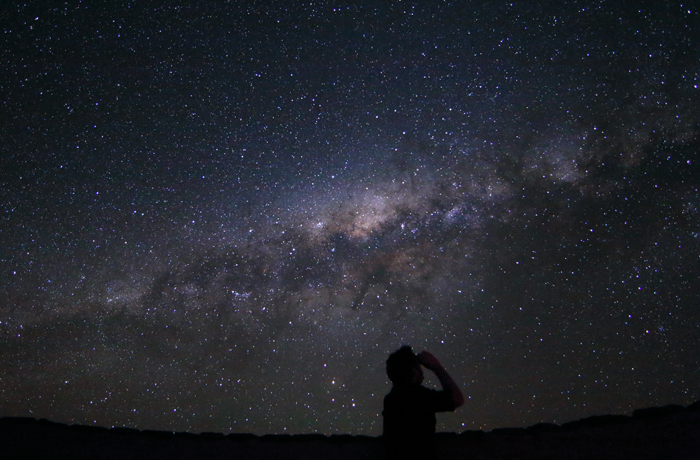
My primary goal in Namibia was to photograph the Milky Way under the darkest possible skies. The NamibRand Nature Reserve is renowned for its minimal light pollution, making it an ideal location for dark skies Namibia photography. I joined a guided astrophotography tour, which provided invaluable insights and access to prime locations within the reserve.
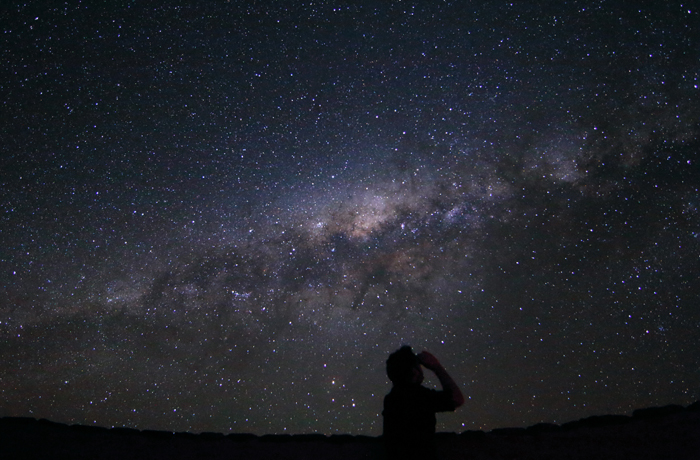
Our guides were incredibly knowledgeable, not only about the night sky but also about the local flora and fauna. We ventured out after sunset to a carefully selected spot with a clear view of the southern horizon. The lack of artificial light was astounding. As my eyes adjusted, the Milky Way gradually revealed itself, a breathtaking river of stars stretching across the heavens.
Photography Tips:
- Lens: A wide-angle lens (14-24mm) with a fast aperture (f/2.8 or faster) is essential.
- ISO: Start with ISO 3200 and adjust based on your camera's performance and the ambient light.
- Exposure: Experiment with exposures between 15 and 30 seconds to capture the Milky Way without star trailing.
- Location: Dune 45 and Dead Vlei offer compelling foregrounds for astrophotography compositions.
- Best Time to Visit Namibia for Milky Way: The dry season (May to September) offers the clearest skies and best Milky Way visibility.
Camera Settings:
For most of my shots, I used a Nikon D850 with a 20mm f/1.8 lens. My settings were typically:
- Aperture: f/1.8
- ISO: 3200
- Shutter Speed: 20 seconds
Post-processing is crucial for astrophotography. I use Adobe Lightroom and Photoshop to enhance the details, reduce noise, and correct any distortions. Stacking multiple images can also significantly improve the final result.
Sustainable Practices
I critically evaluated the eco-friendliness of the tour operator I used. They were certified by EcoAwards Namibia and demonstrated a strong commitment to sustainability. Their practices included:
- Solar Power Usage: The lodge was powered entirely by solar energy.
- Water Conservation Initiatives: Water usage was minimized through efficient fixtures and responsible landscaping.
- Community Involvement Programs: The tour operator supported local communities through employment and educational initiatives.
Choosing a sustainable tourism Namibia astrophotography experience allows you to minimize your environmental impact and contribute to the preservation of this incredible environment.
Soaring Over Sossusvlei: A Sunrise Hot Air Balloon Adventure
The following morning, I experienced another Namibian highlight: a hot air balloon ride over Sossusvlei at sunrise. The pre-dawn darkness added to the anticipation as we inflated the balloon. As the sun began to peek over the horizon, the landscape transformed into a vibrant tapestry of colors.
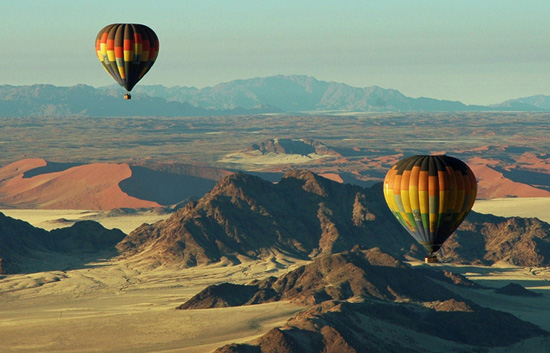
The towering red sand dunes of Sossusvlei are a photographer's dream. The early morning light created dramatic shadows, highlighting the dunes' textures and contours. The scale of the landscape was immense, and floating silently above it was an unforgettable experience.
Hot Air Balloon Photography Sossusvlei:
- Optimal Time: Book a sunrise flight for the best light and colors.
- Lens: A versatile zoom lens (24-70mm or 24-105mm) is ideal for capturing both wide landscapes and details of the dunes.
- Settings: Use a fast shutter speed (1/500th of a second or faster) to compensate for the balloon's movement.
- Composition: Look for interesting patterns and shapes in the dunes, and use leading lines to draw the viewer's eye.
The hot air balloon ride provided a unique perspective on the Namib Desert, emphasizing the stark contrast between the towering dunes and the vast, gravel plains. It was a truly magical experience.
Walvis Bay Encounters: Kayaking with Seals
For a different perspective on Namibia's landscape, I headed to Walvis Bay on the Atlantic coast. Here, I embarked on a kayaking tour among the seals.
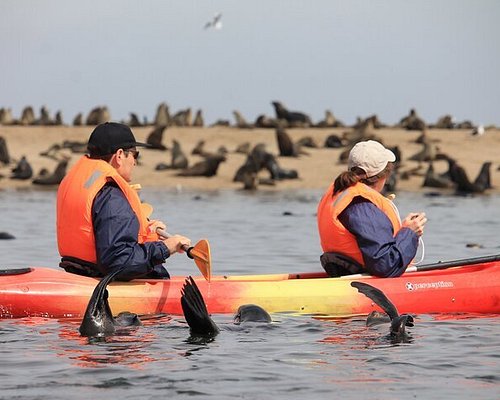
Paddling through the calm waters of the lagoon, I was soon surrounded by playful seals. These curious creatures swam right up to our kayaks, often nudging them or even jumping on board for a quick rest.
Kayaking Walvis Bay Wildlife Photography:
- Equipment: A waterproof camera or a GoPro is essential. A zoom lens can be useful for capturing close-up shots of the seals.
- Settings: Use a fast shutter speed to freeze the action. Be prepared for sudden movements and splashes.
- Safety: Follow the guide's instructions and maintain a safe distance from the seals to avoid disturbing them.
The kayaking tour provided incredible opportunities for wildlife photography. I was able to capture the seals in their natural habitat, showcasing their playful nature and unique personalities.
Cultural Immersion: Bush Tucker with the San
No trip to Namibia is complete without experiencing its rich cultural heritage. I had the privilege of joining a local San community for a traditional bush tucker meal. The San, also known as Bushmen, are the indigenous people of southern Africa and have a deep connection to the land.
We learned about their traditional hunting and gathering techniques and tasted a variety of indigenous ingredients, including !Nara melons and gemsbok. The meal was prepared using traditional methods, cooked over an open fire. It was a fascinating and humbling experience to learn about the San culture and their sustainable way of life.
Windhoek's Culinary Delights: A Taste of Namibia
In Windhoek, I had the opportunity to sample Namibia's modern cuisine. I dined at a local restaurant that specialized in seafood and game dishes. I tried springbok steak, a Namibian delicacy, and fresh oysters from the Atlantic coast. The food was delicious, and it was a great way to experience the flavors of Namibia.
Namibia's Unique Geology: Fairy Circles and Welwitschia
Beyond the iconic sand dunes, Namibia boasts a diverse range of geological formations. The mysterious Fairy Circles, circular patches of barren land surrounded by grass, are a fascinating phenomenon. Their origin is still debated by scientists, but they add to the mystique of the Namibian landscape.
The Welwitschia plant, an ancient and unique species, is another geological wonder. These plants can live for over a thousand years and are found only in the Namib Desert. Their resilience and adaptation to the harsh environment are a testament to the power of nature.
Practical Photography Tips for Aspiring Astrophotographers
Here's a recap of essential tips for anyone planning an astrophotography tour in Namibia:
- Invest in quality equipment: A fast lens, a sturdy tripod, and a reliable camera are crucial.
- Plan your trip during the dry season: May to September offers the clearest skies.
- Seek out dark sky locations: The NamibRand Nature Reserve is an excellent choice. Search for areas on a light pollution map to verify low light pollution.
- Learn the basics of astrophotography: Understand exposure settings, focusing techniques, and post-processing methods.
- Respect the environment: Practice Leave No Trace principles and support sustainable tourism operators.
How Dark are the Skies in NamibRand Nature Reserve?
The NamibRand Nature Reserve is designated as a Gold Tier International Dark Sky Reserve, meaning it offers exceptionally dark skies with minimal light pollution, ideal for astrophotography.
What equipment do I need for astrophotography in Namibia?
- Camera: DSLR or mirrorless camera with manual controls.
- Lens: Wide-angle lens with a fast aperture (f/2.8 or faster).
- Tripod: Sturdy tripod to keep your camera steady during long exposures.
- Remote Shutter Release: To minimize camera shake.
- Headlamp: With a red light setting to preserve night vision.
- Extra Batteries and Memory Cards: You don't want to run out of power or storage space.
By following these tips and planning your trip carefully, you can capture stunning images of the Namibian night sky.
Conclusion: Preserving Namibia's Natural Wonders
My Namibia astrophotography tour was an unforgettable experience. From the breathtaking landscapes to the incredible wildlife encounters, Namibia exceeded all my expectations. The challenges of photographing in this environment were significant, but the rewards were even greater. The chance to capture the Milky Way over the ancient desert landscape was a dream come true.
It's crucial to remember that the beauty of Namibia is fragile and must be protected. By supporting ethical and sustainable lodges NamibRand Namibia and tour operators, we can contribute to the preservation of this unique environment for future generations.
If you're looking for an adventure that combines stunning landscapes, incredible wildlife, and unparalleled night skies, Namibia should be at the top of your list.
Ready to book your own Namibian adventure? Contact Vistalocation.com today to plan your dream trip!
Anya Sharma is a professional astrophotographer whose work focuses on capturing the beauty of the night sky in some of the world's darkest and most remote locations. To see more of her work, visit www.anyasharmaphotography.com.