Namibia Adventure Photography Tour: Unveiling th...
Namibia. The name alone conjures images of towering sand dunes, stark landscapes, and a seemingly endless horizon. But beyond the stunning vistas lies a treasure trove of unique experiences, particularly for those with a passion for photography. My recent trip to this southwestern African gem was nothing short of extraordinary, pushing my technical skills to the limit and revealing a side of Namibia few get to see. From capturing the ethereal glow of distant nebulae to encountering elusive desert creatures under the cloak of darkness, this journey was a masterclass in adventure and responsible exploration. This is my story of Namibia ethical dark sky tourism.
Stargazing Reimagined: Unveiling the Carina Nebula
The NamibRand Nature Reserve is a sanctuary of tranquility and, more importantly, an unparalleled dark sky destination. Rated as a Class 1 on the Bortle scale, this location offers some of the darkest, clearest skies on Earth. Situated at GPS coordinates -25.0269° S, 16.1289° E, far from any significant light pollution, it's an astrophotographer's dream. My primary objective here was to capture narrowband images of the Carina Nebula using a Planewave CDK24 telescope.
The exceptionally dark skies were crucial for this endeavor. Using an H-alpha filter, which isolates the red light emitted by hydrogen atoms, allowed me to capture the intricate details of the nebula's glowing gas clouds. However, even with such dark skies, the faint signal from the H-alpha emission requires long exposure times and careful calibration. The minimal light pollution ensured that I could maximize my exposure without being overwhelmed by sky glow, resulting in a high signal-to-noise ratio and a final image brimming with detail.
Paragliding Over the Namib: A Bird's-Eye View
Swapping the stillness of astrophotography for the adrenaline rush of paragliding, I headed to Sesriem (GPS coordinates: -24.7536° S, 15.7914° E) for an unforgettable aerial experience. Soaring above the Namib Desert, with the Tsauchab River canyon stretching below, was breathtaking. However, the harsh Namibian sunlight presented a significant challenge for photography.
Photographing while paragliding demands careful consideration of light. The intense sun can easily overexpose images, washing out details and creating harsh shadows. To combat this, I relied on a graduated neutral density filter, specifically a Lee Filters ProGlass IRND 0.9. This filter allowed me to darken the brighter sky while leaving the foreground untouched, resulting in a balanced exposure that captured the full dynamic range of the scene.
Nocturnal Scorpion Safari: Unveiling the Desert's Hidden Life
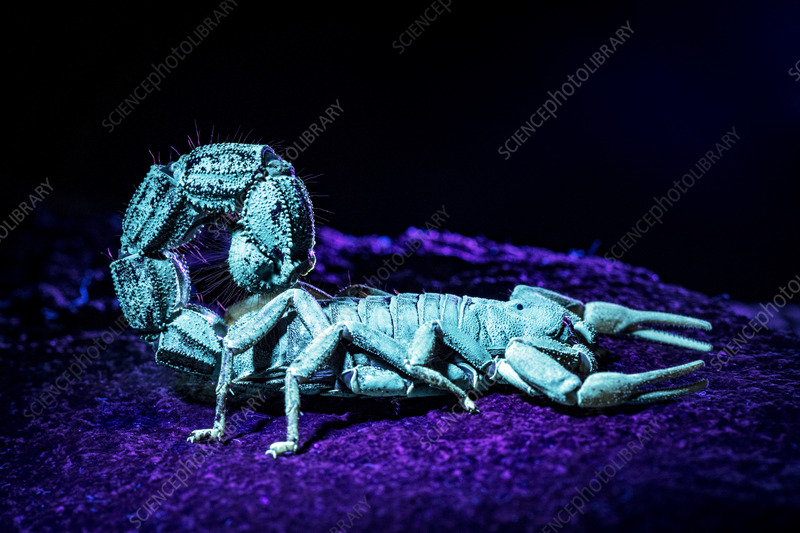
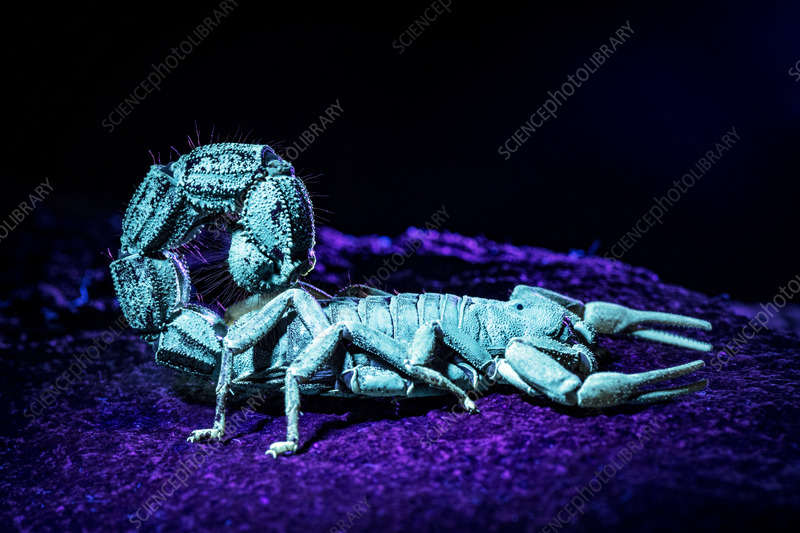
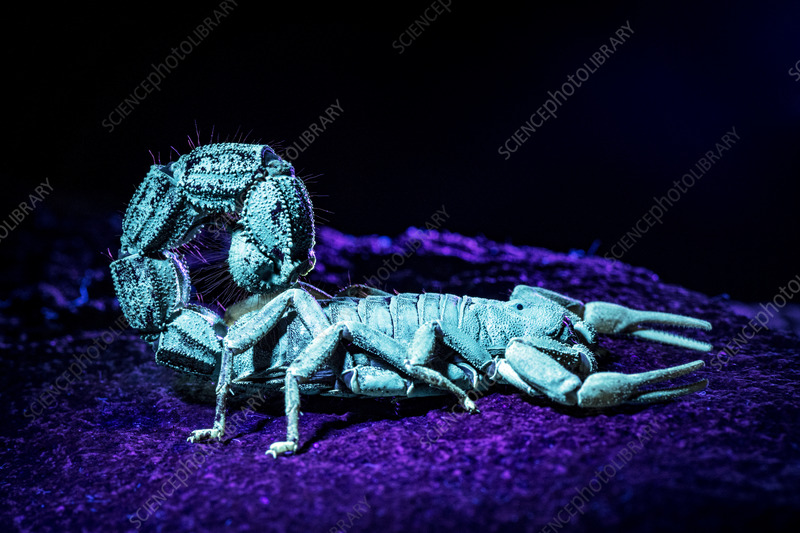
As dusk settled, a different kind of adventure began – a guided scorpion safari. Our target was Parabuthus transvaalicus, the Transvaal Thick-tailed Scorpion, a formidable creature known for its potent venom. To observe these arachnids without disturbing them, we used Convoy S2+ UV flashlights, which cause scorpions to fluoresce a vibrant green under ultraviolet light.
Safety was paramount. We were equipped with orange filter glasses, crucial for protecting our eyes from the harmful effects of UV radiation. The specific wavelength protection offered by these glasses is essential, as prolonged exposure to UV light can damage the cornea. It's important to remember that Parabuthus transvaalicus possesses a venom that can be dangerous to humans. Responsible observation is key: maintain a safe distance and never attempt to handle these creatures. Namibia wildlife photography conservation is vital.
A Herero Goat Roast: Immersing in Local Culture
A welcome break from the intensity of wildlife encounters came in the form of a Herero goat roast in the Ozombanda village, outside of Otjiwarongo. The warm hospitality and rich cultural traditions were a highlight of the trip. The star of the meal was the Ombombo, the goat leg, slow-roasted to perfection and infused with local spices. The blend of wild rosemary and cumin, sourced directly from the surrounding landscape, created a unique and unforgettable flavor profile.
It's customary to bring a small gift for the host family. Sugar or maize meal are traditional offerings that are always appreciated. This simple gesture of respect fosters a deeper connection and allows for a more meaningful cultural exchange. Herero cultural tourism Namibia is an important aspect of the local economy.
Interview with the Hyena Man: Insights into Desert Conservation
One of the most fascinating encounters was an interview with Dr. Stander, a renowned Brown Hyena researcher. His dedication to understanding and protecting these elusive creatures is truly inspiring.
Me: Dr. Stander, thank you for taking the time to speak with me. Can you tell me a bit about the technology you use to track brown hyenas?
Dr. Stander: Certainly. We rely heavily on thermal imaging to detect hyena movements, particularly at night. The FLIR Breach PTQ-136 thermal imaging camera is an invaluable tool. It allows us to spot hyenas from a considerable distance, even in complete darkness, without disturbing them.
Me: What impact has diamond mining had on brown hyena habitats in Namibia?
Dr. Stander: Diamond mining poses a significant threat. It disrupts their natural foraging areas and can fragment their territories, leading to increased competition and reduced access to food. The noise and activity associated with mining operations can also displace hyenas, forcing them to move into less suitable habitats.
Me: What conservation efforts are being undertaken by organizations like the Brown Hyena Research Project?
Dr. Stander: Our primary focus is on research, monitoring, and community engagement. We collect data on hyena populations, their movements, and their feeding habits. We also work with local communities to raise awareness about the importance of hyena conservation and to promote coexistence. Brown Hyena research Namibia photography is one of the ways to spread information.
Viral Video Script: Namibia's Nocturnal Wonders
Here's a script I envisioned for a short, viral video highlighting Namibia's incredible nocturnal environment:
- HOOK (0-3 seconds): A time-lapse of the Milky Way rising over the Namib desert, specifically highlighting the Scorpius and Sagittarius constellations. Shot on a Sony A7S III with a Rokinon 24mm f/1.4 lens at f/2.8, ISO 3200.
- SCENE (3-7 seconds): A Bark scorpion under UV light, glowing fluorescent green. Use a Laowa 25mm Ultra Macro lens with a diffused UV flashlight at close range. The camera follows the scorpion's movements with slow, deliberate panning.
- TWIST (7-10 seconds): Rapid zoom out to reveal a vast desert landscape lit only by the stars and the faint green glow of numerous other scorpions scattered across the sand. Drone shot with a DJI Mavic 3 Cine, ISO 800, f/2.8. Overlay text: "Namibia: Unveiling the Night's Hidden Jewels."
The emotion we're trying to evoke is amazement and curiosity. The visual style is cinematic 4K with dramatic lighting, using time-lapse, slow-motion, macro close-up, and drone wide shots. The key is showcasing UV fluorescence against the dark night sky, with compositions emphasizing scale and detail. Namibia night sky video has huge potential.
Budget Breakdown and Dark Sky Tips: Exploring Namibia on a Dime
A trip like this doesn't have to break the bank. Here's a rough breakdown of my expenses:
- Flights: $1500
- Accommodation (mix of camping and lodges): $700
- Rental Car: $600
- Activities (paragliding, scorpion safari): $400
- Food: $300
- Park Fees & Permits: $200
Total: $3700 (approximately)
To save money, consider camping, self-catering, and traveling during the shoulder season.
For a fantastic free dark sky location, head to Spreetshoogte Pass (-23.8775° S, 16.5489° E).
Driving Directions from Windhoek:
- Take the B1 south towards Rehoboth (approximately 80km).
- Turn west onto the C24 towards Solitaire (approximately 160km).
- Continue on the C24 to Spreetshoogte Pass (approximately 20km).
Total distance: Approximately 260km. Estimated travel time: 4-5 hours.
Important Considerations: The C24 is a gravel road. Reduce tire pressure to around 1.8-2.0 bar (26-29 psi) for better traction and comfort. Drive cautiously, especially at night. Sustainable travel Namibia budget guide tips.
Ethical Considerations: Respecting Namibia's Natural Wonders
It's crucial to minimize our impact on this fragile environment. Adhering to the "Leave No Trace" principles is essential, especially when it comes to astrophotography. Pack out all trash, avoid disturbing vegetation, and minimize light pollution. When using drones in Namib-Naukluft National Park, be aware of the regulations. Permits are required, and altitude restrictions are in place to protect wildlife. Ethical drone use Namib-Naukluft National Park guidelines must be followed.
My journey through Namibia was a transformative experience, a testament to the raw beauty and scientific wonders of our planet. It's a place that demands respect, rewards curiosity, and leaves an indelible mark on the soul. Namibia adventure photography tour are unique.
Ready to embark on your own Namibian adventure? Explore our photography tours and workshops and discover the magic for yourself!