Namibia: A Wildlife Photographer's Journey to Vi...
The harsh glare of Windhoek hit me like a physical blow. After months of numbness, the city’s sharp angles and relentless noise were a jarring assault on my senses. Concrete and glass scraped against the sky, a stark contrast to the lush, untamed Congo where my fiancé, Ben, had breathed his last. Ben, a photojournalist with a heart as wild as the subjects he captured. His unexpected death had left me adrift, a boat without a sail. I needed solace, a balm for my wounded soul. So, I pointed my rental car south, towards the ancient silence of the Namib desert, hoping to find healing in its vastness. This solo female travel to Namibia after heartbreak was a journey I had to make.
My destination: Sossusvlei, home to some of the world's tallest and most breathtaking sand dunes.
Touching the Soul: Dawn in Sossusvlei
Leaving Windhoek felt like shedding a skin. The cacophony faded into the low hum of the desert, the sharp angles softened into endless horizons. Finally, Sossusvlei. I arrived late in the afternoon, the setting sun painting the dunes in fiery hues. I was exhausted, but the anticipation kept me awake. I set my alarm for before dawn, eager to witness the desert’s awakening.
And then, it happened. Before the sun peeked over the horizon, I found myself at the base of a dune, stripping off my shoes. The sand was cool, almost shockingly so. Silky and yielding beneath my bare feet.
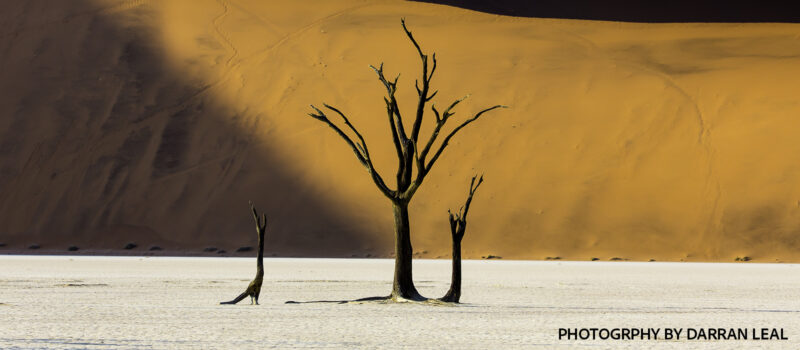
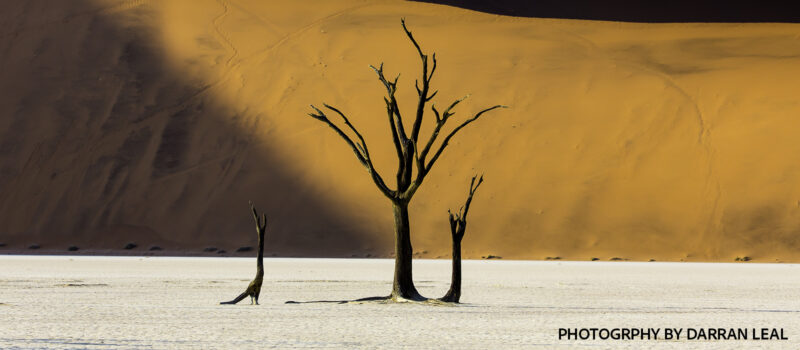
Walking barefoot on that cool, pristine sand felt like a baptism. The silence was profound, broken only by the whisper of the wind. As the first rays of light kissed the dune crests, the landscape exploded with color. The dunes blazed orange and crimson against an impossibly deep blue sky. The contrast was intense, almost overwhelming. But then, I started to notice the patterns. The graceful curves sculpted by the wind, the stark shadows that defined each ridge. Abstract, yet perfect. The stark abstract patterns began to visually soothe me.
For hours, I wandered, camera in hand, lost in the sheer scale and beauty of the dunes. Photographing Namib desert to find myself was exactly what I needed. I lay on the sand, shooting dramatic low-angle shots that emphasized their towering height. I climbed to the top of Dune 45, feeling the burn in my legs, the sun on my skin, the wind in my hair.
The desert asked nothing of me, offered everything.
A Taste of Namibia: From Hesitation to Healing Through Flavor
My first night in Namibia, I felt a knot of anxiety tighten in my stomach at the thought of unfamiliar cuisine. Food had always been a source of comfort, a shared experience with Ben. Now, it was just another reminder of his absence. So, I gravitated towards the familiar, seeking refuge in the tourist-friendly atmosphere of Joe’s Beerhouse in Windhoek. I cautiously ordered a Kapana skewer – grilled beef, simple and safe.
But the desert had already begun to work its magic, nudging me out of my comfort zone. Over the next few days, I found myself drawn to the local flavors, tentatively at first.
I tried Oshiwambo spinach, a type of wild spinach cooked with groundnuts. The earthy, nutty taste was a revelation. Then, with some trepidation, I sampled Mahangu porridge, pearl millet porridge. It was bland at first, but with a touch of salt and a sprinkle of chili, it transformed into something surprisingly satisfying.
By the end of my trip, I’d declared myself a temporary vegetarian. I discovered a profound appreciation for the subtle flavors of the plant-based dishes. The heavy meat options held no appeal; I craved the lightness and freshness of the vegetables, the simple nourishment they provided.
!Khwa ttu: A Dance of Connection
My visit to !Khwa ttu, a San culture and education center, was a turning point. I hadn't planned on it, fearful of forced interactions and awkward encounters. But something drew me in, a whisper of connection to something ancient and enduring. Instead of a generic tour guide, I was fortunate enough to meet !Auru, a San woman in her early 30s.
She patiently demonstrated traditional San beadwork, her nimble fingers creating intricate patterns with tiny, colorful beads.
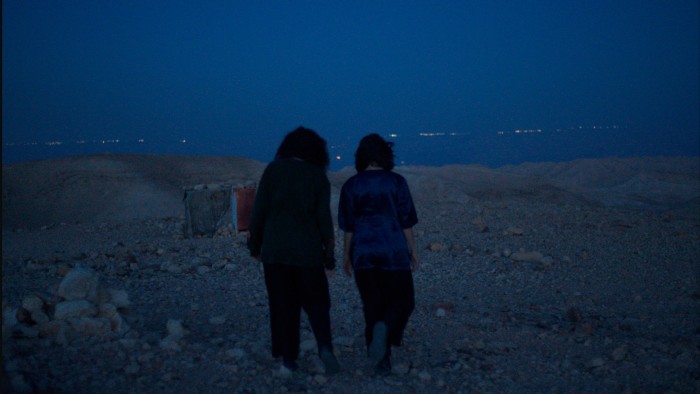
The complexity and beauty of the designs fascinated me. She invited me to participate in a storytelling dance, moving slowly to the beat of the earth. I hesitated, self-conscious and clumsy. But !Auru’s gentle encouragement and the raw power of the landscape coaxed me forward.
At first, I felt awkward and out of sync. But as I surrendered to the rhythm, something shifted. My body remembered how to move, to express, to connect. It was cathartic, a release of pent-up grief and emotion.
Kolmanskop: Facing the Ghosts of the Future
Visiting Kolmanskop, the abandoned diamond mining town swallowed by the desert, was like stepping into a ghost story. But the ghosts I felt weren't just those of the town's past; they were echoes of my own fears about the future, about commitment, about love.
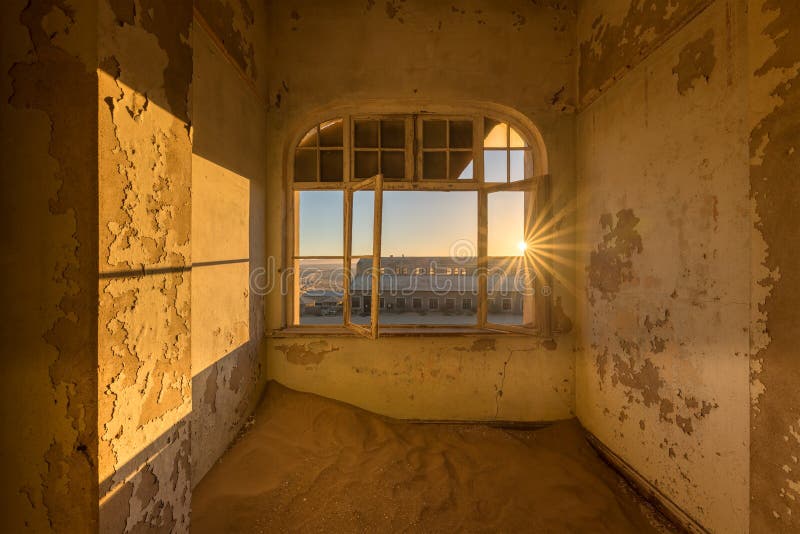
The decaying interiors, filled with sand, were a poignant reminder of impermanence. I wandered through the empty rooms, photographing the light filtering through broken windows, creating ethereal scenes. It was Kolmanskop photography of finding beauty in decay.
The fear of a future alone, a future without Ben, had been paralyzing me. But as I focused on capturing the beauty in the decay, the light in the darkness, a sense of hope began to emerge. Maybe, just maybe, I could build something new on the ruins of the old.
Abstract Visions: Healing Through Landscape Art
My journey through Namibia was more than just a trip; it was a pilgrimage to myself. The stark beauty of the landscape, the tactile sensations of the sand and earth, the unexpected connections with the people and culture – all contributed to a profound sense of visual and tactile healing.
I returned home with a collection of photographs that were different from anything I'd done before. They were less about capturing specific subjects and more about conveying a feeling, an emotion. Abstract landscape photography Namibia had allowed me to access a part of myself I thought I’d lost.
During my time in Namibia, I also experimented with creating ephemeral art directly in the landscape, weaving dried grasses together into intricate patterns against the backdrop of the setting sun, using sand and light to create shadow art on cracked window panes. These creations were fleeting, temporary, but the act of creating them was deeply healing. The desert became my canvas, my therapist, my guide.
Namibia hadn't erased my grief, but it had given me the space and the tools to begin to heal. It taught me that even in the face of loss, beauty can still be found, that hope can still bloom in the most barren of landscapes. And it reminded me that I am stronger than I thought.
Are you also seeking emotional healing? Consider a self-discovery travel Namibia. Explore the unique offerings of our Namibia healing retreat options today and book your transformative journey.