Namibia: A Scientific Adventure Through Stark La...
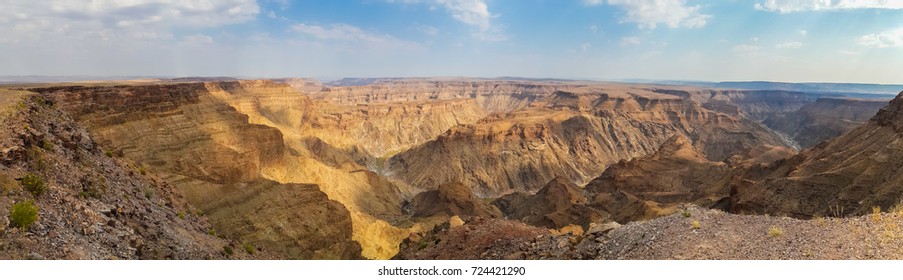
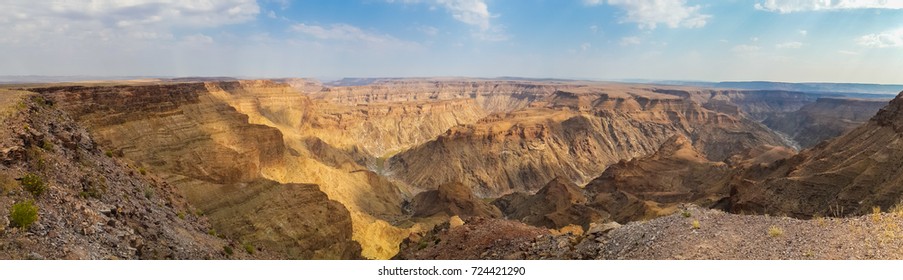
Namibia, a land of dramatic contrasts, immediately captivates. Forget typical "unique landscapes"; picture this: the Fish River Canyon (-27.6000° S, 17.6333° E), the second largest canyon in the world, a geological masterpiece carved over millennia. Then, transport yourself to the desolate beauty of the Skeleton Coast (-20.0000° S, 12.8333° E), where ghostly shipwrecks litter the shoreline, and bustling seal colonies thrive in the harsh environment. This is Namibia, where adventure meets scientific inquiry, offering experiences that are as intellectually stimulating as they are visually stunning. Join me as I recount my recent journey through this fascinating country, exploring its unique offerings with a scientific lens, seeking adventure, and embracing responsible tourism. This Namibia scientific travel guide will share the best kept secrets of this incredible country.
Unveiling the Cosmos at the HESS Observatory
My journey took an astronomical turn with a visit to the HESS (High Energy Stereoscopic System) Observatory (-23.2783° S, 16.5000° E). The observatory, nestled in the Namibian highlands, provides an unparalleled window into the universe. I had the distinct privilege of spending an evening with Dr. Dzingai, a brilliant astrophysicist working with the Cherenkov Telescope Array. Her focus? Unraveling the mysteries of gamma-ray astronomy, specifically, studying the Vela Pulsar. But this wasn't your average telescope viewing. The HESS telescopes utilize sophisticated dark matter detection technology to enhance gamma-ray imaging, moving beyond simple narrowband filters. I was fascinated by Dr. Dzingai's explanation of how this technology allows them to detect the faintest signals from distant cosmic events. A visit to the HESS Observatory Namibia visit is a must for anyone interested in the cosmos.
Best time to visit HESS Observatory Namibia
The dry season, from May to October, offers the clearest skies for optimal viewing at the HESS Observatory.
A Bird's-Eye View of the Namib's Enigmatic Fairy Circles
Next, I took to the skies for a paragliding adventure over the awe-inspiring Namib Desert near Sesriem. Equipped with my GoPro and a DJI ND64 filter to tame the harsh sunlight, I soared above the seemingly endless expanse of sand. But the real magic wasn't just the breathtaking views; it was the chance to observe the mysterious fairy circles from above. These circular patches of barren land, surrounded by vegetation, have puzzled scientists for decades. While general theories abound, the Euphorbia damarana allelopathy theory, proposed by Getzin et al. (2015), resonated deeply with me. This theory suggests that the plant releases chemicals that inhibit the growth of other plants, creating the distinctive circular patterns. You can read about it here: Getzin, S., Yizhaq, H., Bell, B., et al. (2015). Self-organized vegetation patches and termite labyrinths create a semi-arid ecosystem. Science, 349(6243), 61-64. Namib Desert paragliding fairy circles offers a unique perspective on this ecological puzzle. Paragliding over fairy circles is a once in a lifetime experience.
Where to see fairy circles in Namibia
The best fairy circles viewing is near Sesriem, easily accessible via paragliding tours or ground-based excursions.
Unmasking Nocturnal Hunters: A Scorpion Safari
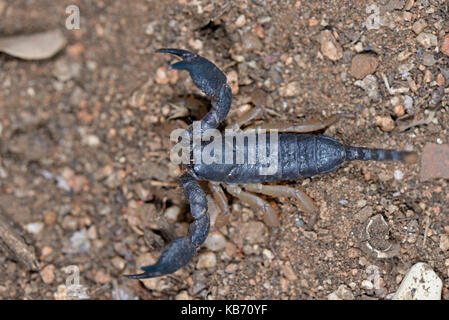
As darkness descended, I embarked on a guided scorpion safari, an experience that revealed a hidden world under the cloak of night. Our guide armed us with UV flashlights emitting light at 365nm, which instantly transformed the desert floor into a canvas of glowing creatures. The scorpion exoskeletons fluoresce due to the presence of beta-carboline, a chemical compound that reacts to UV light. The highlight of the safari was spotting the Opistacanthus asper scorpion, a species endemic to the region. Its unique fluorescence pattern was truly captivating. For those looking to capture these elusive creatures on camera, I highly recommend bringing a Meike MK-MT24 flash with a UV filter for enhanced photography. Taking an ethical scorpion safari Namibia is a responsibly adventurous option.
What safety precautions should I take on a scorpion safari?
- Wear closed-toe shoes and long pants.
- Stay close to the guide and follow their instructions.
- Avoid touching scorpions, even if they appear docile.
A Taste of Tradition: The Herero Goat Roast
My culinary adventure in Namibia led me to experience a traditional Herero goat roast, a celebration of local flavors and culinary techniques. The meat was seasoned with "Oruuze" (wild rosemary), lending it an aromatic and earthy taste. Prepared "Kapana" style, the goat was grilled in strips over an open fire, a popular street food staple. I also had the chance to sample Omahangu beer, a local brew made from Omahangu grain, fermented using a specific strain of wild yeast. Experiencing traditional Herero goat roast (Kapana) is a delicious adventure.
Where can I experience traditional Herero cuisine in Namibia?
Head to local markets in Windhoek or other towns to find Kapana vendors or seek out cultural tours that include traditional food experiences.
The Hyena Man: An Encounter with Conservation
One of the most memorable moments of my trip was an encounter with Dr. Stander, affectionately known as the "Hyena Man." I met with him at the Hobatere Conservancy where he's spent years studying the behavior of these misunderstood creatures. Instead of focusing on generic questions, I was keen to learn how Dr. Stander utilizes sound recognition AI to identify individual hyenas by their calls. He uses a Sigma 500mm f/4 DG OS HSM Sports lens for acoustic and visual monitoring, creating an impressive database of hyena vocalizations. Talking with Dr. Stander Hyena Man Hobatere Conservancy was an inspiring conservation conversation.
What does Dr. Stander study about hyenas?
Dr. Stander uses advanced technology to study hyena behavior, including their vocalizations, social structures, and movement patterns within the Hobatere Conservancy.
Viral Video Script: "Namibia's Gemsbok Sundial"
Here's a viral video script idea inspired by Namibia:
- HOOK (0-2 seconds): Cinematic 4K close-up, shot on RED camera, of a gemsbok's horn (Oryx gazella), catching the glint of early morning sunlight on its ridged surface. Dramatic lighting with bright, golden colors from the sunrise. Action word: "Glistening."
- SCENE (2-7 seconds): Hyperlapse showing the shadow cast by the gemsbok’s horns rapidly lengthening and shortening across the desert sand as the sun moves, demonstrating its role as a sundial. Static shot, tripod-mounted, with slow-motion camera work. Focus on clarity at a glance; the time progression should be obvious. Visual style: Cinematic, high-quality resolution.
- TWIST (7-10 seconds): Suddenly, the shadow of the horns rapidly transforms into a Pixar-style 3D animated infographic explaining the gemsbok's thermoregulation strategies (rete mirabile in the nasal passages). Overlay Text: "NAMIBIA: Nature's Ingenious Clock". The infographic is unexpected and visually odd.
Budget-Friendly Stargazing and Dark Sky Secrets
For budget travelers and stargazers alike, Namibia offers unparalleled opportunities. While Spitzkoppe is well-known, I highly recommend Gamsberg Mountain (-23.5167° S, 16.1500° E), known as the "Roof of Namibia." It's home to the International Astronomical Union's Dark Sky Reserve. For serious astrophotography, consider investing in a Sky-Watcher EQ6-R Pro mount for stable tracking. Namibia Dark Sky tourism is a growing market.
What is the best time to visit Namibia for stargazing?
The dry season (May to October) provides the clearest and darkest skies for stargazing in Namibia.
Best camera settings for astrophotography Namibia
Use a wide aperture (low f-number), high ISO (adjust based on noise), and a long exposure time (experiment with shutter speeds).
Responsible Tourism: Leaving Only Footprints
As travelers, it's our responsibility to minimize our impact on the environment and respect local communities. I encourage everyone to familiarize themselves with the principles of responsible tourism and practice them during their travels. Remember to Leave No Trace. Learn more at the Leave No Trace Center for Outdoor Ethics. Practicing responsible tourism Namibia helps to protect this incredible country.
Namibia is a truly exceptional destination that blends adventure with scientific exploration. From the depths of the Fish River Canyon to the star-studded skies above Gamsberg Mountain, Namibia offers something for every traveler seeking unique and enriching experiences. So pack your bags, grab your camera, and prepare to be amazed by the wonders of Namibia!
Are Namibia stargazing tours worth it?
Yes, stargazing tours in Namibia are worth it, particularly if you lack experience or equipment. Guides provide expert knowledge and access to optimal viewing locations.