Namibia: A Landscape Astrophotographer's Dream U...
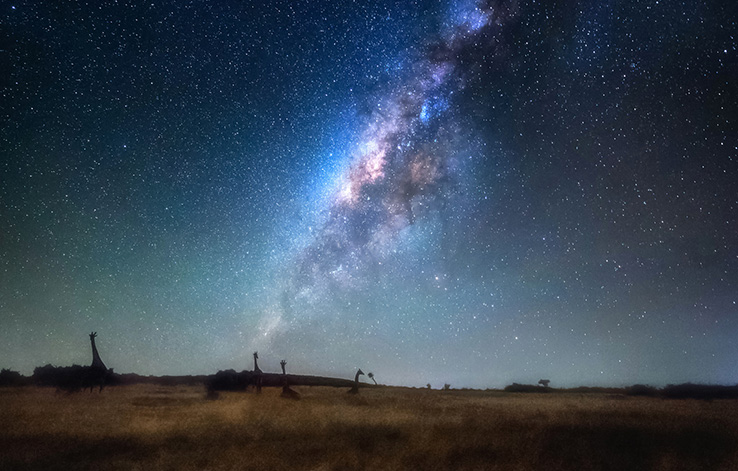
Namibia, a land of stark beauty and ancient landscapes, holds a unique appeal for photographers, especially those drawn to the night sky. As a landscape astrophotographer in my early 40s, I've chased dark skies around the globe, and Namibia consistently ranks among the best. Its hyper-arid climate, coupled with minimal light pollution, creates an environment where the Milky Way blazes with unparalleled clarity. My recent trip, focusing on the Namib Desert (Sossusvlei, Deadvlei) and Etosha National Park, reaffirmed its place as a must-visit destination for anyone seeking to capture the magic of the cosmos against a backdrop of breathtaking scenery. From the towering dunes of Sossusvlei to the ethereal Deadvlei and the wildlife-rich plains of Etosha, Namibia offers a symphony of visual wonders. This blog post details my journey, offering insights into the challenges and rewards of photographing this incredible country, and highlighting the importance of responsible tourism in preserving its natural beauty.
Stargazing in the Namib Desert: Little Kulala's Profound Darkness
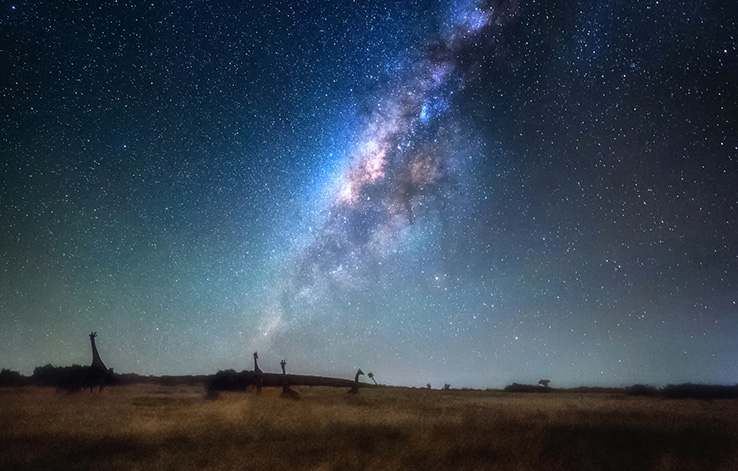
My Namib Desert experience centered around Little Kulala, an oasis of luxury offering unparalleled access to the dunes. The profound darkness of the night sky was immediately striking. It's a darkness that humbles you, reminding you of our place within the vast universe. Photographing the Milky Way here presents unique challenges. Dust, a constant companion in the desert, can scatter light and reduce clarity. Extreme temperatures, fluctuating dramatically between day and night, demand careful management of equipment and batteries. Specialized gear is essential: a sturdy tripod, fast lenses (f/2.8 or wider), and a full-frame camera capable of handling high ISO settings. I used a combination of long exposures and stacking techniques to capture the faintest details of the Milky Way, carefully balancing the exposure to reveal the foreground landscape without introducing excessive noise.
Sossusvlei Photography Tips
- Plan for the Moon Phase: Consider the lunar cycle. A new moon provides the darkest skies, ideal for capturing faint celestial objects.
- Scout Locations During the Day: Identify interesting foreground elements, such as dunes, trees, or rock formations, to add depth to your compositions.
- Use a Red Light Headlamp: Preserve your night vision and minimize light pollution.
- Protect Your Gear: Shield your camera and lenses from dust using covers and cleaning cloths.
Soaring Above Sossusvlei: A Sunrise Hot Air Balloon Adventure
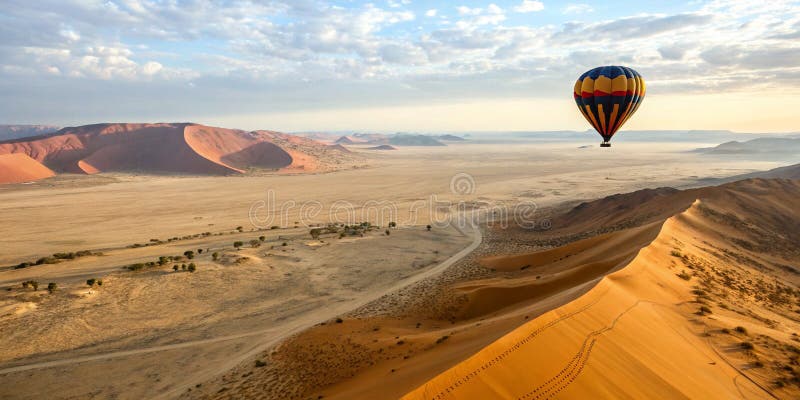
The experience of floating over Sossusvlei in a hot air balloon at sunrise is etched in my memory. As the sun's golden rays painted the dunes in hues of orange and red, the landscape transformed into a surreal masterpiece. The photographic opportunities were simply stunning. Capturing the scale of the dunes from above, with their sinuous curves and dramatic shadows, was a true privilege. The silence, broken only by the occasional roar of the burner, added to the sense of awe and wonder. This experience allowed me to capture amazing hot air balloon Namibia photography.

Thrill Seeking in the Namib: Sandboarding
After the serene balloon ride, I decided to engage in a more adrenaline-fueled activity: sandboarding. The sheer scale of the dunes makes sandboarding an exhilerating experience. While not directly related to astrophotography, it was definitely a memory making experience.

Etosha National Park: Nocturnal Wildlife and Conservation Success
Etosha National Park offers a different kind of beauty, a vibrant contrast to the stark landscapes of the Namib. My guided safari, led by a local guide from a community conservancy, focused on nocturnal animal sightings. We spotted bat-eared foxes, owls, and other creatures that emerge under the cover of darkness.
Etosha's remarkable success in rhino and elephant conservation is largely due to community-based initiatives. These programs empower local communities to manage and benefit from their natural resources, fostering a sense of ownership and responsibility. Staying at Ongava Tented Camp near Etosha further reinforced this commitment to sustainability. The camp's eco-friendly practices, from solar power to water conservation, demonstrate how tourism can coexist harmoniously with the environment. This made for great Etosha National Park stargazing.

Namibia's Community-Based Natural Resource Management (CBNRM)
Namibia's CBNRM tourism program is a model for sustainable development. It recognizes that local communities are the most effective stewards of their natural resources. By granting them rights over wildlife and other resources, the program incentivizes conservation and generates income through tourism, hunting, and other sustainable activities. This approach has led to significant improvements in conservation outcomes and economic development in rural areas. I saw firsthand how conservancies were using tourism revenue to improve schools, healthcare, and infrastructure.
Supporting Environmental Education: The Namib Desert Environmental Education Trust (NaDEET)
The Namib Desert Environmental Education Trust (NaDEET) plays a vital role in promoting environmental education and sustainable living practices in the desert. Their programs empower local communities and visitors alike to understand and appreciate the unique challenges and opportunities of living in this arid environment. I highly recommend visiting their website (www.nadeet.org) to learn more about their work and how you can contribute to their efforts. NaDEET environmental education Namibia is critical to its conservation efforts.

A Taste of Namibia: Culinary Delights
No trip to Namibia is complete without sampling the local cuisine. I started with biltong, a dried, cured meat that's both flavorful and satisfying. The texture is slightly chewy, and the taste is a delightful blend of savory spices. I also had the opportunity to try game meats like Oryx and Springbok. Oryx has a slightly gamey flavor, similar to venison but with a hint of sweetness, while Springbok is leaner and more delicate. Both are often prepared grilled or in stews. Potjiekos, a traditional stew cooked in a three-legged pot over an open fire, was another highlight. This hearty dish, filled with meat, vegetables, and spices, is a communal experience, best shared with friends and family. To quench my thirst in the desert heat, I discovered Rock Shandy, a refreshing mix of lemonade, soda water, and Angostura bitters. Its tangy and slightly bitter taste is the perfect complement to the rich flavors of Namibian cuisine.

The Namibian Landscape: A Photographer's Paradise
The hyper-arid environment of the Namib Desert is a photographer's dream. The towering red dunes of Sossusvlei, sculpted by the wind over millennia, create a dramatic and ever-changing landscape. The stark, skeletal trees of Deadvlei, standing in silent testament to a bygone era, offer a hauntingly beautiful scene. Capturing the beauty of these landscapes presents unique challenges. The intense sunlight during the day requires the use of filters to reduce glare and balance the exposure. At night, the complete darkness demands careful attention to light pollution and precise focusing techniques. Wide-angle lenses are essential for conveying the sense of scale, while creative compositions can help to highlight the unique geological formations and textures of the desert. The expansive salt pans of Etosha, with their shimmering mirages and the wildlife that gathers around the waterholes, offer a different but equally compelling photographic subject.

Responsible Tourism and Dark Sky Preservation in Namibia
My trip to Namibia deepened my appreciation for dark skies preservation and Namibia's unwavering commitment to sustainable tourism. By supporting local conservancies and choosing eco-friendly accommodations, we can ensure that our travels benefit the communities and ecosystems we visit. Using guides from local conservancies is crucial, as it ensures that tourism revenue directly supports the people who are on the front lines of conservation. I encourage all travelers to visit NaDEET's website (www.nadeet.org) to learn more about their conservation initiatives and how they can contribute to sustainable development in Namibia. Namibia dark sky locations are a resource to be protected.
Final Thoughts
Namibia is more than just a destination; it's an experience that stays with you long after you've left. The vastness of the landscape, the brilliance of the night sky, and the warmth of the Namibian people combine to create a truly unforgettable journey. As a landscape astrophotographer, I'm constantly seeking out places that inspire and challenge me, and Namibia has undoubtedly earned a place at the top of my list. I urge you to experience the magic of Namibia for yourself, but to do so responsibly, supporting the local communities and protecting the natural wonders that make this country so special. Consider planning Namibia astrophotography tours to help support this effort.