
Namibia: A Journey of Cultural Immersion and Con...
Breathing in the Namib desert air for the first time is an experience that stays with you. The mineral scent, carried on a wave of dry heat, immediately evokes a sense of timelessness. Namibia, a land of stark beauty and resilient people, offers a journey far beyond the typical tourist trail. It's a chance for deep cultural immersion and a lesson in the power of conservation. This is a reflection on my recent adventure, exploring ancient traditions, supporting local communities, and witnessing the dedication required to protect this unique ecosystem. Join me as I revisit remarkable experiences, from eco-friendly lodges to encounters with the San and Himba peoples.
Where to Stay: Sustainable Eco-Lodges
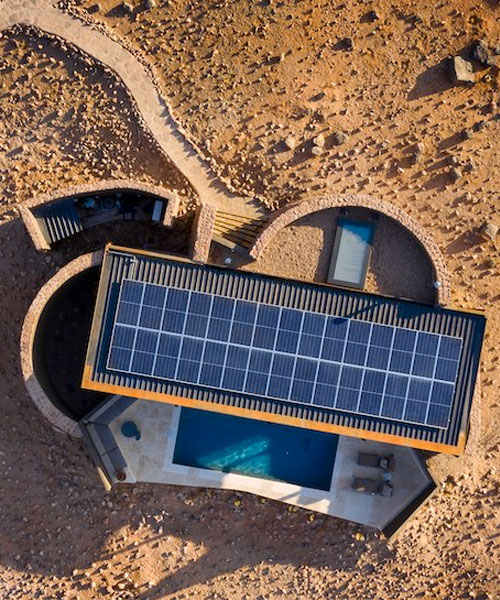
My journey began at Onguma The Fort, a breathtaking lodge bordering Etosha National Park. Its Moorish-inspired architecture blends seamlessly with the landscape, offering luxurious comfort while minimizing its environmental impact. Onguma exemplifies sustainable travel Namibia with practices like greywater recycling, solar power usage, and active participation in conservation. What truly sets Onguma apart is its commitment to anti-poaching efforts within Etosha. A portion of your stay directly funds their game drives and monitoring programs, assisting rangers in protecting the park's precious wildlife.

Alt Text: Exterior view of Onguma The Fort, showcasing its Moorish architectural style and integration with the Namibian landscape, emphasizing its commitment to sustainable tourism.
You can book your stay directly on their website and contribute to their conservation efforts.
Immersing in San Culture
No trip to Namibia is complete without connecting with its indigenous people. One of the most profound experiences was a guided walk with members of the San community, true masters of the Namib Desert. We learned how to track a gemsbok, not through obvious footprints, but by reading subtle signs in the sand – a disturbed pebble, a broken twig, the faintest impression of a hoof.
Our guide demonstrated the use of a traditional springhare snare (from a safe distance, of course!), meticulously explaining the technique. What struck me most was the deep respect shown to the animals, even when hunting for survival. Every part of the animal is used, and the hunt is conducted with reverence. It was a powerful lesson in living in harmony with nature and applying indigenous knowledge.
Respectful Encounters with the Himba
Visiting the Otjikandero Himba Orphan Village was another moving experience. This community is dedicated to preserving their unique culture while providing education and support for orphaned children. The vibrant colors of their traditional clothing, the intricate hairstyles, and the ancient customs are a testament to their resilience.
Responsible tourism to this village directly supports their mission, providing essential resources for food, education, and healthcare. It's crucial to approach these visits with respect, seeking permission before taking photos and engaging in meaningful conversations. To ethically visit and donate, contact the village directly through recognized tourism operators who prioritize community well-being. Remember that Namibia community-based tourism is about empowerment, not exploitation.
Exploring Ancient Art
Further into Namibia's heartland lies Brandberg Mountain, home to the White Lady rock painting. Dating back thousands of years, this enigmatic artwork continues to fascinate researchers and visitors alike. Theories abound regarding its origins and meaning, with some suggesting it depicts a shaman or a figure from a foreign land.
Nearby, you can delve into the stunning geological landscapes of Namibia through the lens of Clementine de Kock, a talented photographer whose work captures the raw beauty of this ancient land.
Protecting Cheetahs and Rhinos
Namibia's commitment to conservation extends to its iconic wildlife. A visit to the Cheetah Conservation Fund (CCF) offered invaluable insights into their work. I learned about the Anatolian Shepherd dog program, where these remarkable dogs are trained to protect livestock, reducing human-wildlife conflict and safeguarding cheetah populations.
Alt Text: A Save the Rhino Trust community rhino ranger pictured in the landscape, showcasing their dedication to protecting black rhinos.
I was equally inspired by the dedication of the Save the Rhino Trust trackers, who tirelessly monitor black rhinos in the harsh desert environment. Their innovative use of technology, including drones, is revolutionizing anti-poaching efforts. Consider Save the Rhino Trust volunteering to contribute to this important work.
How do community rhino rangers protect rhinos in Namibia?
Community rhino rangers protect rhinos by patrolling key areas, monitoring rhino populations, and working with local communities to reduce poaching threats. They also collect data on rhino movements and behavior.
The Soul of Namibia: Music and Culture
The cultural richness of Namibia extends beyond its ancient traditions. I had the privilege of listening to Dolarus and her band, whose music is dedicated to preserving Khoekhoe traditional songs. You can purchase their music on platforms like Bandcamp and Africori, directly supporting their artistic endeavors.
Elemotho, another prominent Namibian musician, captures the spirit of the country in his song "Ke Nale." The lyrics, sung in Oshiwambo, speak of hope, resilience, and the importance of community. You can find "Ke Nale" on various music streaming platforms and contribute to his work.
What is regenerative tourism in Namibia?
Regenerative tourism in Namibia aims to create positive impacts on the environment, culture, and local economies by empowering communities and promoting sustainable practices.
Budget-Friendly Travel Tips
Sustainable travel itinerary Namibia budget friendly is entirely possible. For a unique and affordable experience, consider staying at organic farms near Windhoek that offer accommodation and volunteer opportunities. Voigtland Guest Farm is a fantastic option, offering comfortable lodging and a chance to learn about sustainable farming practices. You can find more information and book your stay here.
Within Etosha National Park, several campsites provide excellent facilities and access to incredible wildlife viewing. Okaukuejo and Halali are particularly recommended, offering amenities such as waterholes, ablution blocks, and restaurants. You can book your permits online through the NWR (Namibia Wildlife Resorts) website NWR website
The Ripple Effect of Tourism
Tourism to Namibia has a profound impact on local communities. A portion of tourism revenue is directly allocated to funding local schools and clinics in remote regions, improving access to education and healthcare for those who need it most. This demonstrates how Namibia cultural tourism can be a powerful force for good.
To ensure your travels are responsible and sustainable, familiarize yourself with the Namibia Tourism Board's responsible tourism guidelines: [Insert actual link here].
By choosing to travel consciously and supporting local initiatives, we can help preserve Namibia's unique culture and protect its precious natural heritage for generations to come. Namibia is more than just a destination; it's a lesson in resilience, conservation, and the power of human connection.