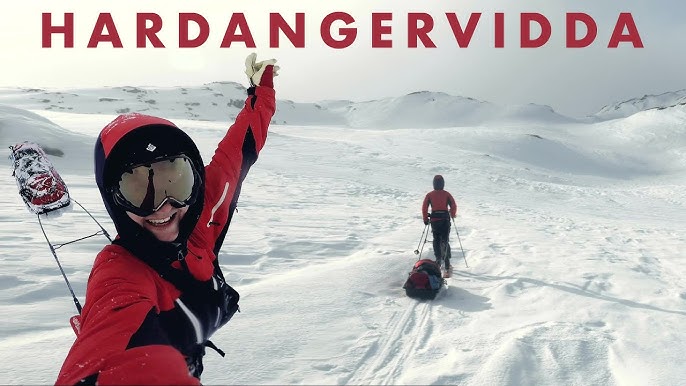
My First Time Conquering Snow: Kite Skiing, Ice...
As a 35-year-old software engineer from San Francisco, my life revolved around lines of code and the glow of a monitor. While I loved the challenge of my job, I craved something more – a deeper connection with nature and an adventure that pushed me far beyond my comfort zone. I've always been environmentally conscious and willing to invest in quality gear, so I decided to embark on a winter adventure, conquering snow in three unique ways: kite skiing, ice climbing, and fat biking. This is my story of how I learned (often the hard way) to navigate these thrilling sports while embracing responsible adventure tourism.
Learning to Kite Ski in Norway
My adventure began in the breathtaking Hardangervidda National Park in Norway, a vast, snow-covered plateau perfect for kite skiing. The sheer scale of the landscape was awe-inspiring, but I quickly realized that harnessing the wind’s power was easier said than done.
The Challenge: Taming the Wind
Learning to control the kite in the strong Norwegian winds was my first hurdle. The wind howled across the plateau, threatening to yank me off my feet with every gust. Coordinating the kite with my skis felt like trying to pat my head and rub my stomach simultaneously, while also being pulled by a giant parachute.
The Gear: Essential Kite Skiing Equipment
Astrid Olsen, my instructor, recommended specific gear to maximize my chances of success.
- Peter Lynn Fury kite (12m): Astrid chose this kite for its stability and ease of use for beginners. She explained that its depower system allowed me to quickly release the kite's power if I felt overwhelmed.
- Fischer RCS Skate skis: These skis provided excellent glide and control on the snow, essential for navigating the varying terrain.
- Alpina ESK Pro Skate boots: Stiff and supportive, these boots offered the ankle support needed for precise ski control.
The Instructor: Astrid Olsen
Astrid Olsen wasn't just a certified kite skiing instructor; she was also deeply passionate about sustainable tourism and wind power education. Certified by the Norwegian Mountain Guide Association, her approach emphasized respecting the environment and minimizing our impact. "We need to ensure that we leave these beautiful landscapes untouched for future generations, not just for our clients but as global citizens," Astrid told me.
The Moment of Triumph: Riding Upwind
After what felt like countless tumbles and near misses, I finally managed to coordinate the kite and skis. The moment I completed a controlled upwind run for the first time was exhilarating. The wind filled the kite, pulling me effortlessly across the snow. I felt like I was flying, the vast white landscape stretching out before me.
Beginner's Mistake: Respect the Wind
I got a little too confident and launched the kite too aggressively. The next thing I knew, I was airborne, then unceremoniously dumped into a snowdrift, face full of snow. The lesson learned: always respect the power of the wind.
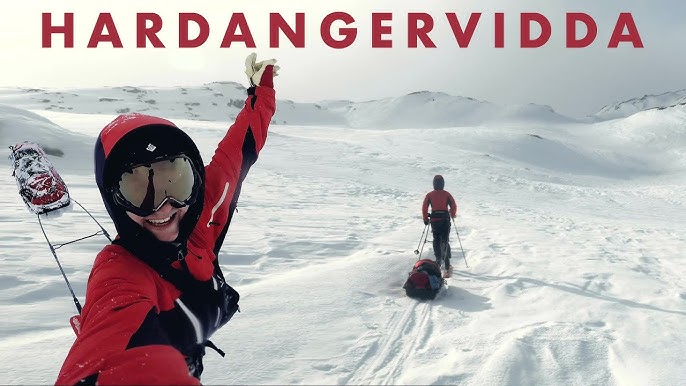
A kite skier soars across a vast, snow-covered landscape during a lesson, highlighting the thrill and challenge of the sport.
Viral Video Integration: Watch the Kite Skiing Mishap! (This is a placeholder link, replace with actual video URL).
Sustainability Scorecard: 4/5
Astrid's commitment to responsible tourism was evident in her carbon offset program and ethical guiding principles, earning a high sustainability score.
Conquering Fear in Ouray: Ice Climbing for Beginners
Next, I traded the vast plains of Norway for the vertical challenge of ice climbing in Ouray, Colorado, also known as the "Switzerland of America". The Ouray Ice Park, a man-made ice climbing venue, is a unique and stunning location.
The Challenge: Trusting the Ice
My biggest challenge in Ouray was overcoming my fear of heights and learning to trust my ice axes and crampons. The thought of hanging hundreds of feet in the air, relying on small points of contact with the ice, was terrifying.
The Gear: Gear to Trust
Jake Williams, my instructor, provided me with top-notch gear and invaluable instruction.
- Black Diamond Raven Pro ice axe: Jake emphasized the importance of a reliable ice axe with a comfortable grip. The Raven Pro's ergonomic design and durable construction made it perfect for beginners like me.
- Petzl Vasak crampons: These crampons offered excellent grip on the ice, providing the confidence I needed to ascend.
- Arc'teryx Alpha SV climbing harness: Comfortable and secure, the Alpha SV harness distributed my weight evenly, reducing pressure points and enhancing my climbing experience.
The Instructor: Jake Williams
Jake Williams, an AMGA certified ice climbing guide, not only taught me the ropes but also instilled in me a deep appreciation for the local alpine ecosystem. He specialized in minimum impact climbing techniques and actively educated climbers about the environment. Jake also volunteers with the Ouray Ice Park, which is a nonprofit organization dedicated to promoting responsible ice climbing. He stated, "It's up to each of us to maintain Ouray's unique environment for ourselves and future generations, so every climber's actions really matter."
The Moment of Triumph: Reaching the Top
The feeling of reaching the top of a challenging ice pillar was incredible. Exhausted but exhilarated, I looked out at the stunning view of the San Juan Mountains, a sense of accomplishment washing over me.
Beginner's Mistake: Check Your Gear
I almost dropped my ice axe because I forgot to secure it properly. A brief moment of panic ensued as I fumbled to regain control. Lesson learned: double-check everything before you start climbing.
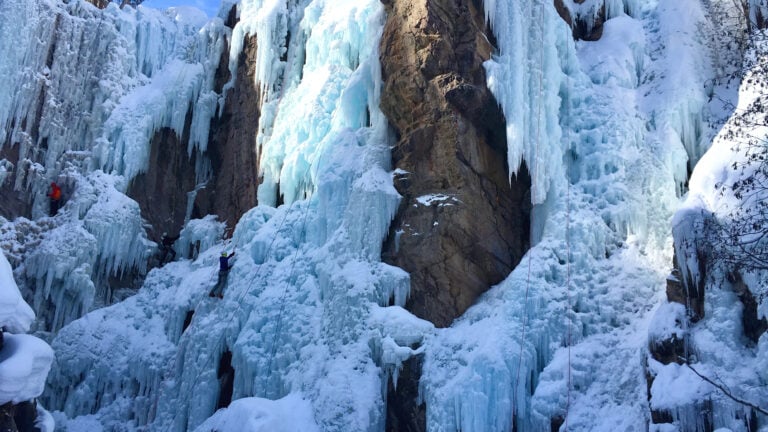
A climber ascends a frozen waterfall, demonstrating the technical skills and adrenaline rush of ice climbing.
Viral Video Integration: Ice Axe Fail! (This is a placeholder link, replace with actual video URL).
Sustainability Scorecard: 5/5
Jake and the Ouray Ice Park's strong commitment to conservation and low-impact practices earned them a perfect sustainability score.
Fat Biking Through Yellowstone: A Winter Wonderland
My final adventure took me to the winter wonderland of Yellowstone National Park in Wyoming, where I attempted to conquer the snowy trails on a fat bike.
The Challenge: Finding My Balance
Navigating the snowy trails and maintaining balance on the fat bike was more challenging than I anticipated. The soft snow and uneven terrain made it difficult to keep the bike upright, and I often found myself veering off course.
The Gear: Fat Biking Essentials
Emily Carter, my guide, equipped me with the right gear for the conditions.
- Salsa Mukluk fat bike: Emily recommended this bike for its stable geometry and wide tires, which provided excellent traction on the snow.
- 45NRTH Wolvhammer boots: These boots kept my feet warm and dry in the frigid temperatures, essential for a comfortable ride.
- Pearl Izumi AmFib cycling gloves: These gloves offered excellent insulation and dexterity, allowing me to maintain a firm grip on the handlebars while keeping my hands warm.
The Instructor: Emily Carter
Emily Carter, an experienced fat bike guide, was not only knowledgeable about the sport but also passionate about preserving the natural beauty of Yellowstone. With certifications in wilderness first aid and Leave No Trace principles, she prioritized responsible tourism. Emily is a member of the Yellowstone Forever organization and contributes to their trail maintenance efforts. Emily explained, "We aim to show our guests the beauty of Yellowstone while minimizing our impact on this fragile ecosystem. Education is key!"
The Moment of Triumph: Conquering the Climb
Successfully completing a challenging uphill climb through deep snow was a major victory. The burn in my legs and the crisp air in my lungs made the accomplishment even sweeter.
Beginner's Mistake: Tire Pressure Matters
I didn't adjust my tire pressure properly and got stuck in a snowdrift. Emily had to help me out, explaining the importance of lowering tire pressure for better traction in soft snow. Lesson learned: know your equipment and how to adjust it for different conditions.
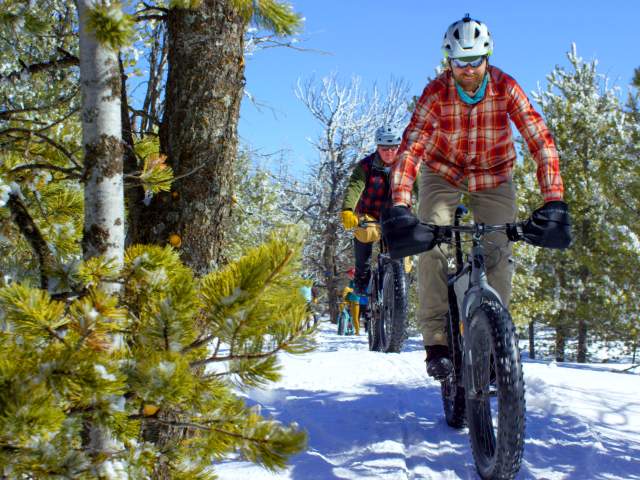
A fat biker rides through a snowy forest in Yellowstone National Park, illustrating the adventure and serene beauty of the activity.
Viral Video Integration: Snowdrift Disaster! (This is a placeholder link, replace with actual video URL).
Sustainability Scorecard: 3/5
While Emily made reasonable efforts to minimize her impact, there was room for improvement in areas like transportation to trailheads, resulting in a moderate sustainability score.
Lessons Learned and a Call to Adventure
My first time conquering snow was a challenging yet incredibly rewarding experience. I learned new skills, pushed my boundaries, and connected with nature in a profound way. More importantly, I gained a deeper appreciation for the importance of responsible adventure tourism.
Stepping outside your comfort zone can be daunting, but the rewards are immeasurable. If you're looking for a unique and unforgettable winter adventure, I encourage you to give kite skiing, ice climbing, or fat biking a try. Just remember to choose ethical and sustainable tour operators who prioritize the environment and the well-being of local communities.
Here are some resources to help you plan your responsible adventure:
- Astrid Olsen (Kite Skiing Norway): Astrid's Website (Placeholder)
- Jake Williams (Ice Climbing Ouray): Jake's Guiding Service (Placeholder)
- Emily Carter (Fat Biking Yellowstone): Yellowstone Fat Bike Tours (Placeholder)
- Leave No Trace Center for Outdoor Ethics: https://lnt.org/
- Vistalocation's Sustainable Travel Guide: Vistalocation's Guide
Book your next adventure with Vistalocation and experience the world responsibly!