My Amazon Awakening: A Biologist's Journey into...
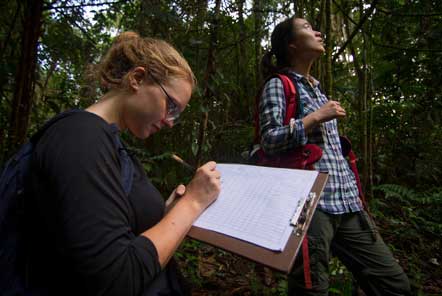
As a biology professor on sabbatical from Reed College, I envisioned my time away from the classroom immersed in ecological exploration. The Peruvian Amazon Rainforest, near Iquitos, beckoned. I sought to deepen my understanding of biodiversity, but what I gained was far more profound. This journey wasn't just a scientific endeavor; it was a personal transformation, a lesson in interconnectedness taught by the rainforest itself. Prepare to discover the magic and challenges of the Amazon through the eyes of a humble biologist.
Delving into Traditional Wisdom: A Jungle Survival Course with the Bora Tribe
My immersion began with an extraordinary three-day jungle survival course alongside the indigenous Bora tribe. This Bora Tribe Amazon Experience proved to be a far cry from any lecture hall. The Bora people possess an intricate knowledge of the rainforest, a wisdom accumulated over generations of living in harmony with nature. I was privileged to learn some of their essential practices.
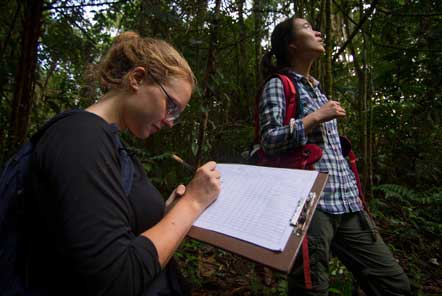
We learned to identify medicinal plants, each leaf and root a potential remedy. They demonstrated how to construct sturdy shelters from readily available materials, providing respite from the elements and protection from predators. I was shown sustainable hunting techniques, utilizing resources without depleting them – a crucial lesson in environmental stewardship. Most importantly, I witnessed firsthand their profound respect for the rainforest, a relationship built on reciprocity and understanding. Learning jungle survival skills with Bora tribe Amazon natives was an unforgettable experience.
The Bora Tribe and the Jungle
The Bora people's way of life hinges on a delicate balance within the ecosystem. They take only what they need, ensuring the forest's continued abundance. Their traditional practices exemplify sustainability; a deep understanding of the rainforest is interwoven with their daily lives. Witnessing this intimate connection was truly inspiring, highlighting the importance of indigenous knowledge in conservation efforts. Ethical travel to the Amazon rainforest Iquitos region demands that this connection to the land be respected.
Amazonian Adventures: Piranha Fishing and Caiman Spotting
No trip to the Amazon is complete without experiencing its iconic wildlife. I embarked on a piranha fishing expedition on the mighty Amazon River. Using simple bamboo poles and chunks of meat as bait, we lured these notorious fish from the depths. It was exhilarating to feel the sharp tug on the line and witness the piranhas' powerful jaws up close. Piranha fishing Iquitos experience offers an intriguing perspective on the river's ecosystem.
As darkness fell, we ventured out on a nighttime caiman spotting tour. Guided by experienced locals, we scanned the riverbanks with flashlights, searching for the telltale glint of caiman eyes. We were fortunate enough to spot several of these impressive reptiles, their sleek bodies gliding silently through the water. This experience was both thrilling and humbling, reminding me of the raw power and beauty of the Amazonian wilderness. Caiman Spotting Peruvian Amazon is not for the faint of heart, but an experience to remember.
Exploring the Blackwater Ecosystem of Iquitos Peru
The Iquitos Peru Blackwater Ecosystem is truly unique. The water, stained dark by tannins from decaying vegetation, creates a habitat unlike any other. This ecosystem supports a rich diversity of life, from specialized fish species to the magnificent creatures that roam the surrounding rainforest. It is a place of mystery, where shadows dance and hidden wonders await discovery.
A Culinary Journey: Savoring the Flavors of the Amazon
My exploration of the Amazon extended to its culinary landscape. I had the pleasure of sampling several traditional dishes, each offering a unique taste of the region.
- Tacacho con Cecina: This dish, consisting of grilled plantains mashed with dried, smoked pork, was a savory delight. The plantains provided a subtle sweetness, while the pork added a smoky depth of flavor.
- Juane: This traditional dish features rice, meat (often chicken or pork), and olives steamed in a bijao leaf. The leaf imparts a distinctive aroma and flavor to the dish, creating a truly authentic Amazonian experience.
- Fresh-Squeezed Camu Camu Juice: The camu camu fruit, native to the Amazon, is renowned for its exceptionally high vitamin C content. The juice was tart and refreshing, a perfect antidote to the tropical heat.
Learning What is Tacacho con Cecina made of in Peru? or how Juane is prepared is an integral part of understanding the culture.
Encounters with Amazonian Wildlife: A Symphony of Life
The Peruvian Amazon Rainforest is a haven for biodiversity, teeming with life in every conceivable form. During my treks through the jungle, I encountered a staggering array of creatures.
Towering kapok trees dominated the skyline, their massive trunks reaching heights of over 200 feet. These giants of the forest play a crucial ecological role, providing habitat for countless species and regulating the rainforest's climate.
Vibrant macaws soared overhead, their colorful plumage flashing against the emerald canopy. Playful monkeys swung through the trees, their antics providing endless entertainment. I even caught a glimpse of an elusive sloth, hanging serenely from a branch.
Of course, no trip to the Amazon is complete without encountering its smaller inhabitants. I was particularly fascinated by the various insect species, including a vibrant poison dart frog, its skin adorned with intricate patterns. I will cherish forever the Peruvian Amazon wildlife photography I captured.
Discovering Rare Species
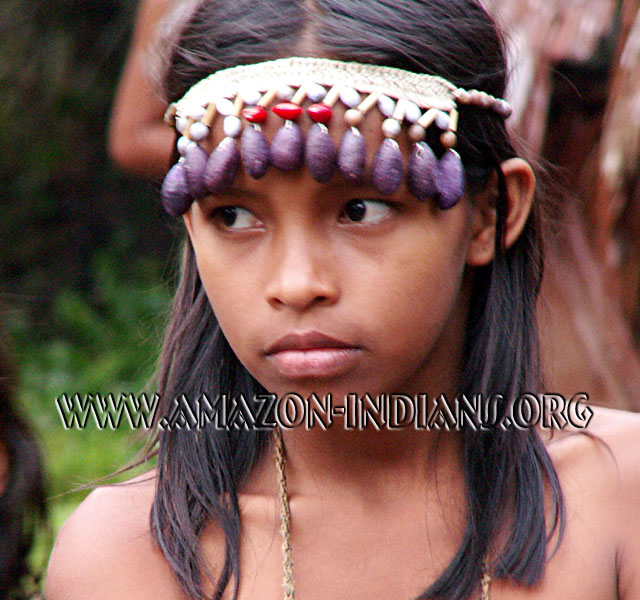
During a guided hike deep into the jungle, our guide, a local Bora tribe member, spotted something incredible. Nestled amidst a cluster of broad leaves was a minute poison dart frog, scarcely larger than my thumbnail. The colours were dazzling: a brilliant mix of emerald green, sapphire blue, and a vibrant ruby red. It was an important reminder of the sheer diversity of this ecosystem, and the urgent need to protect it. Where can I see Macaws near Iquitos and other amazing creatures? The Amazon is brimming with unique and rare animals.
The Shadow of Deforestation: Ecological Challenges in the Peruvian Amazon
Sadly, the beauty of the Peruvian Amazon is threatened by a growing shadow: deforestation. Deforestation Impact Peruvian Amazon is devastating. Illegal logging and mining operations are rapidly destroying vast swaths of rainforest, decimating habitats and disrupting the delicate balance of the ecosystem. This destruction not only threatens the region's biodiversity but also undermines the livelihoods of local communities who depend on the forest for their survival.
Learning What are the ecological challenges in Peruvian Amazon? is a critical part of travelling here.
Responsible Tourism: Protecting the Amazon for Future Generations
It is imperative that we approach tourism in the Amazon with a sense of responsibility. We must strive to minimize our impact on the environment and support local communities. Here are a few tips for responsible tourism in Iquitos Peru:
- Support Local Communities: Purchase handicrafts directly from artisans, ensuring that your money goes directly to the people who need it most.
- Choose Eco-Lodges: Opt for accommodations that prioritize sustainability, implementing practices such as waste reduction, water conservation, and renewable energy use.
- Respect Local Customs: Be mindful of local traditions and customs, showing respect for the culture of the indigenous communities.
- Minimize Your Environmental Impact: Reduce your carbon footprint by flying less, using public transportation, and avoiding single-use plastics.
- Educate Yourself: Learn about the ecological challenges facing the Amazon and support organizations working to protect it.
How to travel responsibly in the Amazon? By making informed choices, you can contribute to the conservation of this invaluable ecosystem.
A Final Reflection: A Call to Action for Rainforest Conservation
My journey into the Peruvian Amazon was a transformative experience, one that deepened my understanding of the interconnectedness of life and the importance of conservation. I witnessed firsthand the beauty and fragility of this remarkable ecosystem and the urgent need to protect it.
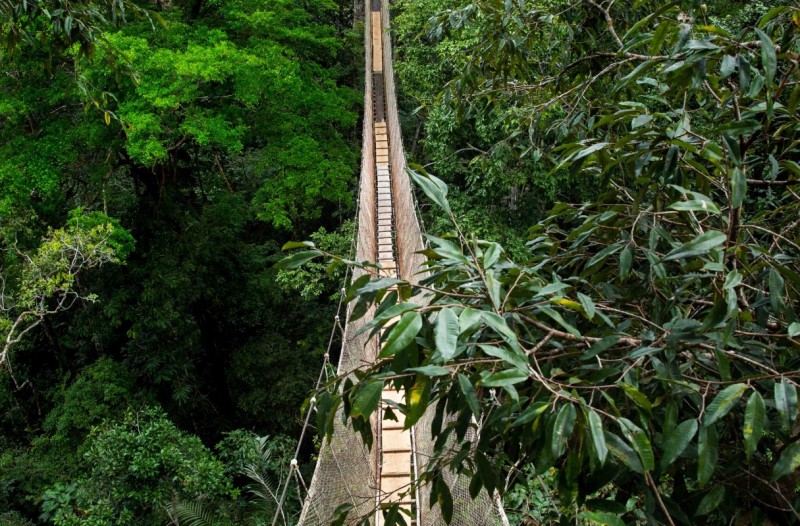
We must act now to safeguard the Amazon Rainforest for future generations. Support organizations dedicated to rainforest conservation, advocate for sustainable policies, and make responsible choices as consumers and travelers. The fate of the Amazon, and indeed the planet, rests in our hands.

Let us embrace our responsibility to protect this precious resource and ensure that the Amazon's symphony of life continues to resonate for centuries to come. Consider visiting the area yourself on a guided Amazon Rainforest Adventure Travel experience to learn about this region.