Mountain Stewardship: Cultivating Connection Thr...
The soaring peaks, pristine air, and vibrant ecosystems of mountain environments hold a powerful allure for travelers. However, this fragile beauty is increasingly threatened by the impacts of unsustainable tourism. As explorers, we have a responsibility to minimize our footprint, support local communities, and foster a deeper connection with the mountains. This isn't just about luxury travel; it's about mindful exploration. This article will highlight three unique experiences that offer a path toward responsible mountain travel, showcasing how you can connect with these majestic landscapes while contributing to their preservation. Join us as we explore a high-altitude herbalism retreat in the Swiss Alps, delve into climate change awareness on an Icelandic glacier, and immerse ourselves in the rich culture of an indigenous community in the Ecuadorian Andes. These mountain stewardship experiences will redefine your understanding of travel and inspire you to become a conscious guardian of our planet's precious mountain regions.
High-Altitude Herbalism Retreat in Zermatt, Switzerland
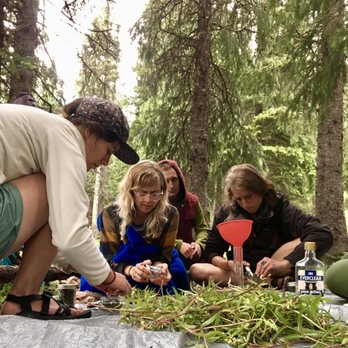
Imagine breathing in the crisp, clean air of the Swiss Alps, the gentle clanging of cowbells echoing across the meadows. The air is thick with the sweet fragrance of alpine flowers, a symphony of scents that invigorates the senses. In Zermatt, nestled at the foot of the iconic Matterhorn, you can embark on an immersive herbalism retreat, a journey that connects you to the healing power of nature while promoting sustainable mountain tourism.
This unique retreat offers participants the opportunity to learn about the diverse array of alpine plants, their traditional uses in local medicine, and the art of sustainable harvesting. Experienced herbalists guide you through the process of identifying different species, understanding their properties, and respectfully gathering them from the surrounding landscape. You'll discover how these plants have been used for generations to treat ailments, soothe aches, and promote overall well-being.
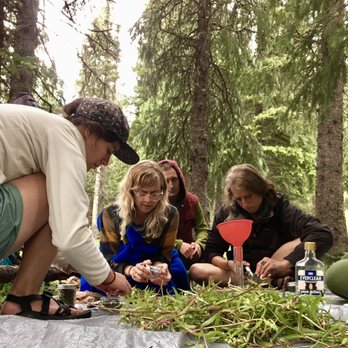
Don't hesitate to engage with local guides and farmers to deepen your understanding of the region's ecology and sustainable practices. Consider asking:
- "How has climate change affected the growth of these plants?"
- "What sustainable practices do local farmers employ to protect the environment?"
- "What part does the community take in protecting plant growth in this region?"
Practical Information: While specific retreat names and websites can vary, searching for "herbalism retreat Zermatt Switzerland" will yield several options. Retreats typically run during the summer months (June-September), with costs ranging from $800-$1500 for a 3-5 day experience. A basic understanding of hiking is recommended, but no prior herbalism experience is required.
The environmental impact of tourism in the Swiss Alps is a growing concern. This herbalism retreat actively promotes responsible behavior by limiting group sizes, supporting local farmers who practice sustainable agriculture, and educating participants about the importance of conservation. By choosing this experience, you are directly contributing to the preservation of this stunning landscape.
To further support sustainability initiatives in Zermatt, consider exploring the options listed on Zermatt Tourism's website.
Glacier Exploration and Climate Change Awareness at Vatnajökull, Iceland
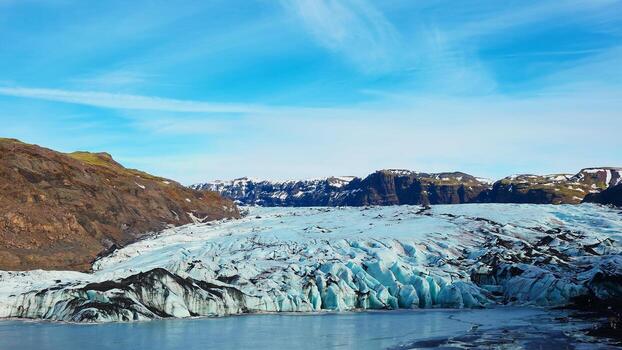
Imagine standing on a vast expanse of ancient ice, the blue hues of the glacier shimmering under the Icelandic sun. The air is crisp and cold, and the only sounds are the gentle trickle of melting water and the distant rumble of glacial movement. At Vatnajökull, Europe's largest glacier, you can embark on a guided glacier hike that not only offers breathtaking views but also provides invaluable insights into the impact of climate change.
These glacier hikes are led by experienced guides who are passionate about sharing their knowledge of glacial formation, the effects of climate change on the glacier, and the scientific data they collect. You'll learn about the delicate balance of this icy ecosystem and witness firsthand the dramatic consequences of a warming planet. This is more than just a tour; it's an opportunity to become a climate change advocate.
As you traverse the glacier, engage with your guides and ask questions that delve deeper into the environmental challenges facing this fragile environment:
- "How quickly is the glacier melting?"
- "What are the specific environmental impacts of tourism on the glacier?"
- "What is the relationship between the community and glacier health?"
Practical Information: Numerous tour operators offer guided glacier hikes on Vatnajökull. A typical hike lasts 3-5 hours and costs between $100-$200. Moderate physical fitness is required, as the terrain can be uneven and slippery. You can find various tour operators by searching for "Vatnajökull glacier tours."
Glacier tourism can have a significant environmental impact. However, many tour operators are committed to minimizing their footprint through responsible waste management, supporting scientific research, and educating visitors about conservation. Look for operators that prioritize sustainability and contribute to the preservation of Vatnajökull.
Stay updated on glacier monitoring efforts by visiting the Icelandic Meteorological Office's website.
Indigenous-led Mountain Cultural Immersion in Parque Nacional Cajas, Ecuador
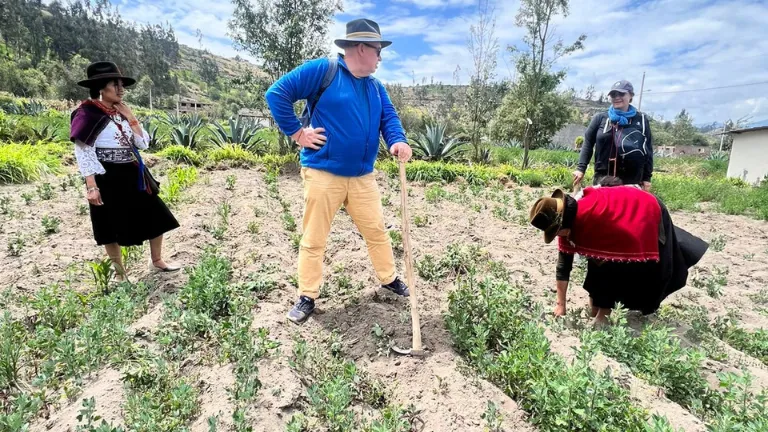
Venture into the heart of the Andes Mountains in Parque Nacional Cajas, Ecuador, and experience a world far removed from the typical tourist trail. Here, you can immerse yourself in the rich culture of indigenous communities, learning about their traditions, sustainable farming practices, and deep connection to the land. The air is thin and crisp, the landscape dotted with shimmering lagoons, and the vibrant colors of traditional clothing bring the culture to life. The sounds of Quichua, the indigenous language, fill the air, creating an atmosphere of authenticity and cultural immersion.
This community tourism project offers visitors the opportunity to stay in local homes, participate in traditional activities such as weaving workshops and cooking classes, and learn about the unique challenges and triumphs of the indigenous people. By choosing this experience, you are directly supporting local livelihoods and contributing to the preservation of indigenous culture.
Engage with community members and learn from their experiences:
- "How has tourism impacted your community, both positively and negatively?"
- "What are your traditional farming practices, and how do they contribute to sustainability?"
- "What is your relationship with the land, and how do you protect it?"
Practical Information: Contact information for community tourism projects in Parque Nacional Cajas can be found through local tourism boards in Cuenca or by searching for "community tourism Parque Nacional Cajas Ecuador". Accommodation options range from simple homestays to rustic cabins, with costs varying from $30-$50 per night. Activities such as hiking, birdwatching, and cultural workshops are also available.
Community tourism is a powerful tool for promoting cultural preservation and supporting local economies. By choosing to stay with indigenous families, you are directly contributing to their livelihoods and empowering them to maintain their traditions in the face of globalization.
Find more information on community-led tourism efforts by searching for NGOs working to support them.
Conclusion
Exploring mountain environments comes with a responsibility to protect their fragile ecosystems and support the communities that call them home. By choosing responsible travel options, such as the herbalism retreat in Zermatt, the glacier hike in Iceland, and the indigenous-led cultural immersion in Ecuador, you can connect deeply with these majestic landscapes while minimizing your negative impact. Embrace the journey, ask questions, and become a conscious guardian of our planet's precious mountain regions. Remember, Mountain Stewardship: Cultivating Connection Through Responsible Exploration is not just a phrase; it's a call to action.
Call to Action:
- Learn more about sustainable tourism practices in mountain regions: Mountain Partnership
- Support indigenous communities through responsible travel: Global Impact Network
- Calculate your carbon footprint and offset your travel emissions: Terrapass