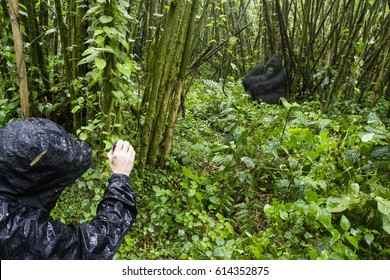
Mountain Gorilla Trekking Rwanda: A Wildlife Fil...
Hello everyone, David Chen here! For those who don't know me, I'm a wildlife filmmaker with a particular passion for primates. My work has taken me across the globe, from documenting chimpanzee behavior in the Tanzanian forests to studying lemurs in Madagascar. But nothing could have prepared me for the experience I'm currently having in Volcanoes National Park, Rwanda. I'm here on a three-week assignment, filming a conservation documentary about the magnificent mountain gorillas – an experience I'm eager to share with you. Get ready for all the details about mountain gorilla trekking in Rwanda, plus tips on planning your own visit to support mountain gorilla conservation Rwanda.
Arrival and First Impressions of Volcanoes National Park
My journey began in Kigali, Rwanda's capital city, a vibrant and bustling metropolis. After a brief but comfortable stay, my team and I embarked on a scenic drive to Volcanoes National Park. The transformation was breathtaking. As we ascended into the mountains, the city gave way to rolling hills, lush vegetation, and finally, the majestic volcanic peaks shrouded in mist. The air grew cooler, carrying with it the scent of damp earth and eucalyptus.
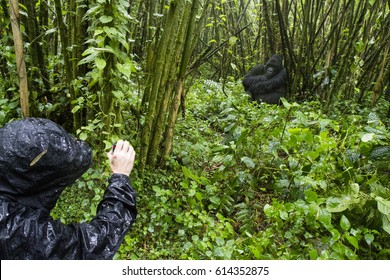
Our home base for this adventure is the Sabyinyo Silverback Lodge, a haven of comfort nestled at the foothills of the volcanoes. My first impressions were stunning - luxurious accommodations that blend seamlessly into the natural environment. The staff were incredibly welcoming, and the lodge offered breathtaking views of the surrounding landscape. I highly recommend this lodge - I may even have to write a Sabyinyo Silverback Lodge review soon!
The first few days were spent settling in, meeting my local filming crew, and coordinating with the park rangers. Jean-Pierre, my guide, proved to be an invaluable source of knowledge and experience. As he told me on our first meeting, "David, you'll see, this park is more than just gorillas; it's a whole world waiting to be discovered."
Gorilla Trekking Preparation
Day four was dedicated to preparing for the gorilla treks. We attended a detailed briefing by the park rangers, where we learned about gorilla behavior, safety guidelines, and the importance of respecting their habitat. The rangers emphasized that responsible tourism is crucial for mountain gorilla conservation Rwanda.
I checked my gear, ensuring my Salomon hiking boots were properly laced and my Arc'teryx waterproof jacket was ready to withstand the unpredictable mountain weather. Anticipation was building – the next day, I would finally come face-to-face with these incredible creatures.
Encountering the Susa Family
Day five arrived, and it was time for my first gorilla trekking Rwanda experience! The hike was challenging, to say the least. We navigated through dense undergrowth, clambered over fallen logs, and traversed steep slopes. The humidity was intense, and the rainforest seemed to press in from all sides.
After several hours of trekking, the moment finally arrived. We found them – the Susa family, one of the largest gorilla families in Volcanoes National Park. My heart pounded in my chest as I set up my Canon EOS C300 Mark III with a Canon 100-400mm lens. Filming in the low light conditions of the rainforest proved tricky, requiring careful adjustments to my camera settings.
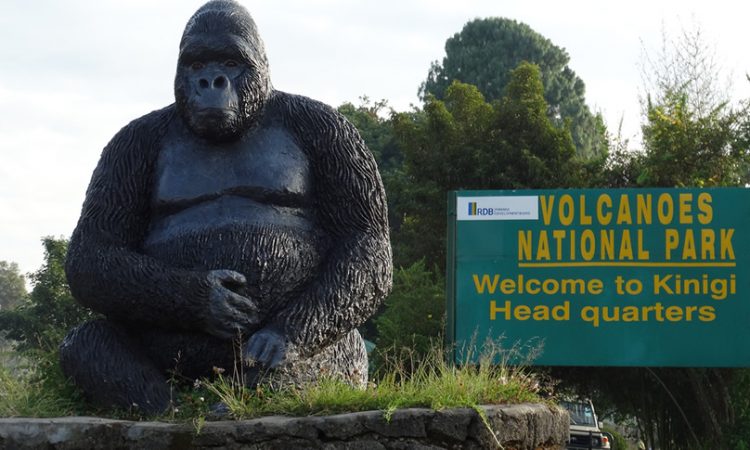
The highlight of the day was filming the silverback, the dominant male, as he protectively watched over his family. The sheer power and grace of this magnificent animal were awe-inspiring. It's a memory I will treasure forever, and a moment I'm excited to capture on film. I am planning on sharing some behind-the-scenes wildlife filmmaking Rwanda footage once the documentary is done!
Best Lens for Gorilla Trekking Rwanda
For anyone wondering about the best lens for gorilla trekking Rwanda, the 100-400mm is a solid choice, but be prepared for low-light challenges!
Visiting the Dian Fossey Gorilla Fund
On day six, I had the privilege of visiting the Dian Fossey Gorilla Fund, a beacon of hope for mountain gorilla conservation. The researchers and staff at the Fund are dedicated to protecting these incredible animals through research, education, and community engagement.
I spoke with one of the lead researchers, who emphasized the crucial role of tourism in supporting their work. "Tourism provides essential funding for our conservation efforts," she explained. "It also creates economic opportunities for local communities, giving them a vested interest in protecting the gorillas." She also pointed out the importance of having a Rwanda gorilla permit when visiting the park, as the proceeds from the permits directly support conservation efforts.
Golden Monkey Trekking
Day seven brought a different kind of primate encounter: golden monkey trekking Rwanda. Unlike the gorillas, the golden monkeys are playful and energetic, leaping through the trees with incredible agility. This required a change in my filming techniques. I switched to my Sony a7S III with a Sony FE 24-70mm f/2.8 GM lens, allowing me to capture wider angles and use faster shutter speeds to freeze their rapid movements. It was a completely different, but equally rewarding, experience.
Kwita Izina: A Celebration of Conservation
Day eight was truly special: the Kwita Izina Gorilla Naming Ceremony. This annual event is a celebration of Rwanda's commitment to gorilla conservation. Baby gorillas are given names in a traditional ceremony, attended by dignitaries, conservationists, and local community members. The atmosphere was electric with joy and hope. Witnessing these tiny gorillas being named was a deeply emotional experience.
I had the opportunity to meet with a local community leader, who shared how tourism has positively impacted his village. He mentioned that tourism has brought better schools, healthcare, and infrastructure. He also expressed his appreciation for responsible tourists who respect their culture and environment. Tourism creates a reason to protect the gorillas.
Exploring a Local Village
On day nine, I ventured into a nearby village to experience rural Rwandan life. The traditional houses, made of mud and thatch, were charming. The villagers welcomed me with open arms, sharing stories of their daily routines. I even learned how to prepare Ibiharage, a delicious bean stew, learning so much about Rwandan cuisine travel in the process!
Rwandan Cuisine Delights
Speaking of food, I must say, Rwandan cuisine travel is a delight! Ibiharage is a staple, made with slow-cooked beans, onions, tomatoes, and spices. Served warm, it's hearty and flavorful. Ugali, a firm maize porridge, is another common dish, often eaten with your hands. And let's not forget Rwandan coffee! The rich aroma and bold flavor, traditionally roasted over an open fire, make it a perfect way to start the day.
The Beauty of the Volcanic Landscape
The landscape of Volcanoes National Park is simply breathtaking. The cloud forests are mystical, the bamboo forests are enchanting, and the unique flora and fauna are captivating. Giant lobelias stand tall against the skyline, adding to the surreal beauty. Being surrounded by such untouched nature is a truly humbling experience. It's no surprise it's the best time to see gorillas Rwanda here.
Challenges and Rewards
Filming in the Rwandan rainforest is not without its challenges. The humidity, rain, and insects can be relentless. The physical demands of trekking are considerable. But the rewards far outweigh the difficulties. Capturing intimate moments with these magnificent creatures, contributing to their conservation, and witnessing the positive impact of tourism on local communities make it all worthwhile.
Gorilla Conservation: A Success Story
The mountain gorilla population has been steadily increasing in recent years, thanks to dedicated conservation efforts and responsible tourism. There are now over 1,000 mountain gorillas in the wild, a testament to the power of collaboration and commitment. The funds from Rwanda gorilla permits are a major source of this success.
Support Gorilla Conservation Through Responsible Tourism
I urge you to support gorilla conservation through responsible tourism. Book your treks through reputable tour operators, respect the environment, and donate to organizations like the Dian Fossey Gorilla Fund. Your visit can make a real difference in the lives of these incredible animals and the communities that share their home.
If you are wondering about the cost of gorilla trekking permit Rwanda, be sure to factor that into your budget. And if you are looking for ethical gorilla trekking tours Rwanda, be sure to do your research!
Don't forget to subscribe to Vistalocation.com for more travel adventures and conservation stories!