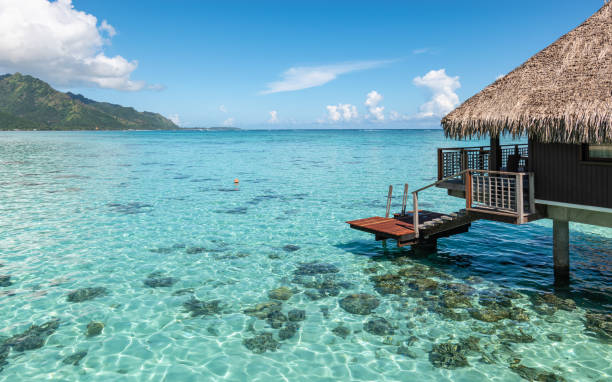
Moorea Travel: A Digital Nomad's Guide to Sustai...
French Polynesia. The name conjures images of crystal-clear turquoise waters, lush green volcanic peaks, and a laid-back island vibe. But for me, it's more than just a postcard-perfect destination; it's a chance to connect with nature, immerse myself in a vibrant culture, and make a positive impact through sustainable travel. My recent trip to Moorea was all that and more. As a mid-30s digital nomad, I'm always looking for ways to combine my love of travel with my commitment to eco-conscious living, and Moorea delivered in spades. This guide details my adventures in Moorea, from diving with sustainable diving Moorea operators to participating in a coral restoration project, and experiencing authentic Polynesian culture.
Diving into Coral Restoration with Coral Gardeners
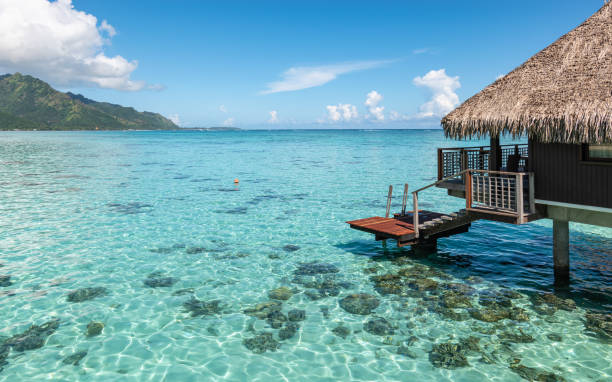
One of the highlights of my trip was volunteering with Coral Gardeners, a local organization dedicated to restoring Moorea's coral reefs. I've always been fascinated by marine ecosystems, and the opportunity to actively contribute to their recovery was incredibly rewarding.
The process, while hands-on and a bit challenging underwater, was straightforward. We started by preparing the artificial reefs, which act as a substrate for the new coral. Using a wire brush, we carefully cleaned any algae or debris from the surface of the reef. Then came the transplantation itself. We used stainless steel coral clips secured with underwater epoxy – specifically Loctite Marine Epoxy – to attach fragments of Acropora cervicornis coral to the artificial structure. The key was to apply a small bead of epoxy, carefully clip the coral fragment onto it, and ensure a secure placement without damaging the coral polyps.
It was meticulous work, requiring patience and a steady hand. But knowing that each fragment I planted could potentially grow into a thriving coral colony made it all worthwhile. What are the specific measurable results of this type of restoration? After six months, Coral Gardeners reported an average coral growth rate of 3 cm per month, measured using underwater calipers, with at least an 80% survival rate of the transplanted fragments. This is a true testament to the effectiveness of their efforts, a tangible impact on sustainable diving French Polynesia.
Learning the Art of Poisson Cru: A Taste of Polynesian Culture
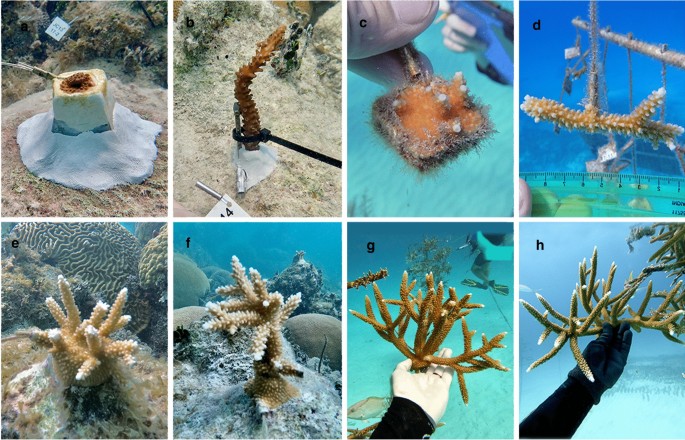
Beyond the underwater world, I wanted to experience the local culture authentically. I had the pleasure of spending an afternoon with the Tetuanui family, learning to prepare poisson cru, a traditional Tahitian dish of raw fish marinated in lime juice and coconut milk. This wasn't just a cooking class; it was a lesson in sustainable fishing Moorea practices and a glimpse into the heart of Polynesian hospitality.
The Tetuanui family sources their Skipjack Tuna directly from the fishermen's catch at the Maharepa pier. These fishermen use pole-and-line fishing, a method that minimizes bycatch and ensures the long-term health of the tuna population. This demonstrated to me the deep connection the people of Moorea share with the ocean.
The preparation itself was a beautiful blend of simplicity and freshness:
- First, we diced the Skipjack Tuna into 1cm cubes.
- Second, we generously squeezed fresh lime juice, using a manual citrus juicer, over the tuna.
- Third, we grated fresh coconut using a traditional coconut grater, extracting the coconut milk by hand, and pouring it over the tuna and lime mixture.
- Fourth, we finely chopped vegetables like vibrant green scallions, crunchy cucumbers, and sweet red bell peppers, adding them to the mixture.
Finally, we served the poisson cru traditionally in a polished giant clam shell, garnished with fresh mint leaves. The taste was incredible – the tangy lime juice perfectly complementing the rich coconut milk and the fresh, clean flavor of the tuna. Learning to prepare Poisson Cru and utilizing sustainable fishing methods was more than just a meal; it was a profound connection to Polynesian tradition.
Exploring Opunohu Valley's Underwater Majesty
Of course, no trip to Moorea would be complete without exploring its underwater world. A scuba diving experience in the Opunohu Valley offered breathtaking views both above and below the surface. The dramatic, jagged peaks of Mount Rotui and Mount Mou'aroa served as a stunning backdrop, their basalt cliffs plunging into the depths.
The diving itself was phenomenal. I encountered three juvenile blacktip reef sharks patrolling the reef edge, a school of iridescent blue butterflyfish (Chaetodon lunula) feeding on coral polyps, and a large green sea turtle (Chelonia mydas) grazing on seagrass. The highlight, however, was spotting healthy coral colonies of branching staghorn coral (Acropora cervicornis) with vibrant colors.
Unfortunately, I also witnessed areas affected by coral bleaching, characterized by ghostly white skeletons and a lack of marine life. This stark contrast served as a powerful reminder of the importance of coral restoration project Moorea. To improve this damage, reducing runoff from land and promoting responsible tourism are essential. By choosing responsible scuba diving practices Moorea and eco-conscious travel options, we can help protect these fragile ecosystems.
Celestial Navigation: Honoring Polynesian Seafaring Heritage
To truly understand Moorea, I wanted to delve into its rich cultural heritage. At the Tiki Village Cultural Centre, I had the privilege of learning about traditional Polynesian navigation techniques from a local expert named Manava. He shared ancient knowledge passed down through generations, focusing on celestial navigation using the Southern Cross constellation, wave patterns generated by the trade winds, and bird migrations of the Terns following routes to distant islands.
That evening, Manava guided a sunset sailing trip on a traditional outrigger canoe. Relying solely on wind power and his deep understanding of currents, he navigated us effortlessly through the lagoon. Applying the knowledge Manava provided, I realized that the Polynesians found a way to connect with nature to travel through waters unknown to them. This experience offered a profound connection to Polynesian seafaring heritage and a reminder of the ingenuity and resourcefulness of these early explorers.
Eco-Friendly Living at Fare Vaihere: A Sustainable Stay
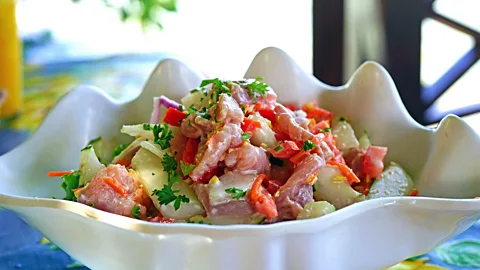
My commitment to Moorea eco-tourism extended to my accommodation. I chose to stay in a locally owned overwater bungalow at Fare Vaihere, a small resort committed to sustainable practices.
The bungalow itself was a testament to eco-conscious design. Eight 300-watt solar panels discreetly mounted on the roof powered the entire unit. A rainwater harvesting system collected water in a 5000-liter tank, providing potable water for showers and sinks. And a composting toilet, which used wood shavings to break down waste, minimized sewage discharge.
These features significantly reduced the bungalow's environmental impact by decreasing reliance on the island's power grid, conserving potable water, and minimizing sewage discharge. Opting for eco-friendly overwater bungalows Moorea like Fare Vaihere is a simple yet powerful way to support sustainable tourism practices.
Moorea: A Call to Responsible Travel
My trip to Moorea was more than just a vacation; it was an immersion into a culture deeply connected to nature and a chance to contribute to the preservation of its fragile ecosystems. As a digital nomad, I’m always seeking destinations that align with my values. Moorea exceeded all expectations.
Before you plan your Moorea travel, please consider the following ways to ensure you're contributing to sustainable tourism in Moorea:
- Practice Responsible Diving: Avoid touching coral, use reef-safe sunscreen containing zinc oxide and titanium dioxide, and respect marine life.
- Choose Eco-Friendly Tour Operators: Support businesses committed to sustainable practices and local community engagement.
- Support Local Conservation Initiatives: Donate to or volunteer with organizations like Coral Gardeners.
By making conscious choices, we can all help protect the beauty and biodiversity of Moorea for generations to come. What are the best eco-friendly resorts in Moorea? Look for certifications and sustainable practices when booking.
If you want to participate in coral restoration Moorea, contact Coral Gardeners directly for volunteering opportunities.
So, are you ready to discover the magic of Moorea eco-tourism? Plan your trip today and experience the beauty of this island paradise responsibly!