Monochrome Majesty: Photographing the Soul of th...
The Skeleton Coast. Even the name evokes a sense of haunting beauty, a place where the desert meets the Atlantic in a symphony of stark contrasts. As a wildlife photographer specializing in black and white imagery, I've always been drawn to places that strip away the unnecessary, revealing the raw essence of a landscape. After years of dreaming, I finally embarked on a 10-day solo expedition to Namibia's Skeleton Coast, a journey that challenged me both creatively and physically, and reaffirmed my passion for capturing the soul of a place in monochrome. [Skeleton Coast Photography] isn’t just about documenting; it’s about interpreting and revealing the hidden narratives etched in sand and time. This is my story of photographing the Monochrome Majesty, the Skeleton Coast.
Shipwreck Trek: Ghostly Remnants of the Eduard Bohlen
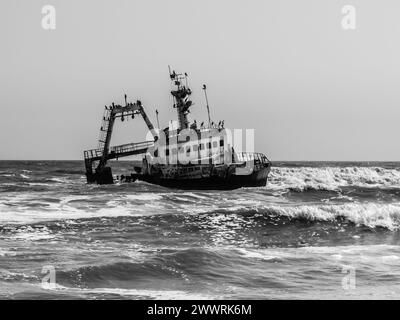
My journey began with a three-day trek along the coastline south of Terrace Bay, a region littered with the skeletal remains of ships claimed by the unforgiving sea. The primary target? The Eduard Bohlen shipwreck, a colossal iron beast stranded inland, a stark reminder of the ocean's power. The hike itself was a challenge. The sun beat down mercilessly, reflecting off the seemingly endless expanse of sand. Walking was akin to trudging through treacle, each step requiring immense effort. The salt spray, carried by relentless winds, coated everything in a fine, corrosive mist.
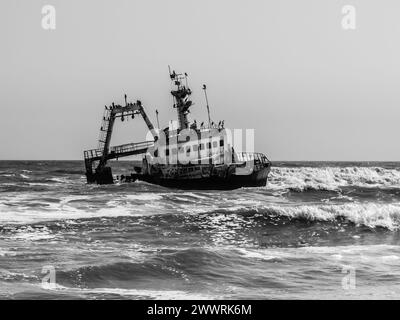
I relied heavily on my weather-sealed DSLR, a trusty companion in such harsh environments. My go-to lens was a versatile 24-70mm, allowing me to capture both wide-angle landscapes and tighter details of the wreck. Crucially, I used a variable ND filter to tame the intense sunlight, allowing me to use longer exposures even in the bright daylight. This proved invaluable for blurring the relentless waves crashing against the shore, creating a sense of ethereal motion in my photographs.
Protecting my gear was paramount. I carried a microfiber cloth constantly at the ready to wipe away the salt spray. Ziplock bags provided an extra layer of defense when the winds were particularly strong. I also ensured my camera bag was well-sealed and kept off the sand as much as possible.
Photographing shipwrecks in such harsh conditions demands patience and a keen eye for detail. The monochrome palette accentuated the textures of the rusting metal, the undulating sand dunes, and the dramatic contrast between light and shadow. Embracing the high contrast and deep shadows is the key to [Namibia Black and White Photography].
Dune Sea Aerial: Patterns in the Sands of Time
The next stage of my expedition took me airborne. I chartered a small aircraft for a morning aerial photography session over the magnificent dune sea near Sandwich Harbour. The experience was breathtaking. From above, the landscape transformed into a mesmerizing tapestry of patterns, textures, and shadows. The early morning light painted the dunes in subtle gradations of gray, accentuating their curves and contours.
Photographing from a moving aircraft presents unique challenges. A fast shutter speed is essential to compensate for the movement, preventing blurry images. I bumped up my ISO slightly to achieve the necessary speed, while still maintaining a good aperture for depth of field. To combat the glare reflecting off the sand, I employed a polarizer filter, which significantly improved the clarity and contrast of my images. The small size of the aircraft meant using a minimal amount of equipment. My trusty DSLR and 24-70mm lens made it into the air with me in a small camera bag.
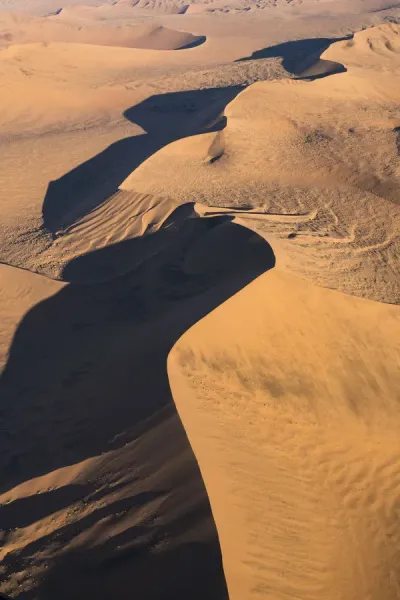
The key to capturing compelling aerial photographs is to anticipate the light and shadows. Pay attention to how the sun illuminates different sections of the dunes as the morning progresses. Look for repeating patterns and interesting compositions. Don't be afraid to experiment with different angles and perspectives. [Namibia Desert Night Photography] is challenging, but daytime aerial photography offers incredible rewards.
Desert Nightscapes: Whispers in the Dark
As darkness descended, the desert transformed once more. My focus shifted to capturing the nocturnal life that ekes out an existence in this unforgiving environment. I set up camp at a designated campsite (always remember to obtain the necessary permits for any location!) and prepared for a night of long exposures and patient observation.
Photographing in near darkness requires specialized equipment and techniques. A fast wide-angle lens is crucial for capturing both the starry sky and the foreground landscape. I used a sturdy tripod to ensure sharpness during long exposures, and a remote shutter release to minimize camera shake.
To capture star trails, I set my camera to bulb mode and used a very long exposure, sometimes exceeding an hour. The challenge was to balance the exposure of the stars with the darkness of the foreground. Light painting, using a flashlight to illuminate specific areas of the landscape, proved to be a useful technique for bringing out details in the foreground.
Photographing desert-adapted wildlife requires even more patience. I used a telephoto lens and waited patiently near waterholes, hoping to capture glimpses of animals as they came to drink. A red filter over my flashlight helped to minimize disturbance to the animals.

Cultural Immersion: A Respectful Encounter with the Himba People
No trip to Namibia is complete without experiencing its rich cultural diversity. With the help of a local guide, I arranged a pre-arranged visit to a Himba village near Opuwo. It's vital to remember that these are real people, not tourist attractions. Ethical considerations are paramount.
Before taking any photographs, I sought permission from the village elders, explaining my intentions and assuring them that I would respect their traditions. It was crucial to build trust and understanding before even raising my camera.
Photographing dark skin tones in black and white can be challenging. The key is to focus on the textures and details, and to use lighting to accentuate the contours of the face. I found that shooting in soft, diffused light yielded the best results, avoiding harsh shadows that can obscure features.
The experience was humbling and enlightening, a reminder of the importance of cultural sensitivity and respect in photography. [Himba Culture Photography Ethical] should always be approached with humility and a desire to learn.
Desert Photography Workshop: Mastering the Elements
During my trip, I also had the opportunity to attend a half-day workshop on desert photography techniques. It was invaluable for honing my skills and learning new approaches to capturing the unique beauty of the Skeleton Coast. The workshop covered a range of topics, including dealing with harsh light, capturing textures, and finding compelling compositions in a seemingly barren landscape.
I left the workshop with a renewed sense of creativity and a deeper appreciation for the challenges and rewards of desert photography. You might even find me leading a [Skeleton Coast Photography Workshop] in the future!
Self-Drive Adventure: Navigating the Sands
A significant portion of my expedition involved a 4x4 self-drive experience along a designated section of the Skeleton Coast. This provided unparalleled freedom to explore the landscape at my own pace, but it also came with significant responsibilities.
Proper preparation is crucial. Before setting off, I ensured that my vehicle was in top condition, with a full tank of fuel, spare tires, and essential recovery equipment. I also carried plenty of water, food, and a satellite phone for emergencies.
Responsible driving practices are essential to minimize environmental impact. I stayed on designated tracks, avoided driving on fragile vegetation, and packed out all my trash. Respecting the environment is paramount to preserving the beauty of the Skeleton Coast for future generations. For those considering a [Skeleton Coast 4x4 Self-Drive] adventure, research thoroughly and prepare accordingly.
A Taste of Namibia: Culinary Delights
Beyond the stunning landscapes, Namibia also offers a unique culinary experience. I indulged in local delicacies such as Biltong (kudu and springbok varieties), game steaks (oryx and zebra), and Kapana (grilled beef). These hearty dishes provided much-needed sustenance after long days of hiking and photographing.
To complement the food, I sampled local beers like Windhoek Lager and Tafel Lager, refreshing and flavorful brews that perfectly captured the spirit of Namibia.
Ethical Responsibilities: Respecting the Soul of the Coast
As wildlife and cultural photographers, we have a responsibility to act ethically and responsibly. This means respecting animals, habitats, and local communities. It means obtaining informed consent before photographing individuals, and avoiding any actions that could cause harm or disturbance.
Responsible tourism and conservation efforts are essential to preserving the beauty and integrity of the Skeleton Coast. By supporting local communities and conservation organizations, we can help ensure that this unique landscape continues to thrive for generations to come.
Photography Tips for the Skeleton Coast
Here are three actionable photography tips specific to the Skeleton Coast:
- Use a polarizing filter to cut through the harsh glare on the sand. This will improve the clarity and contrast of your images, especially in bright sunlight.
- Embrace the high contrast and don't be afraid of deep shadows. The stark contrasts of the Skeleton Coast are part of its unique character.
- Shoot during the golden hours for the best light. The soft, warm light of sunrise and sunset will add depth and dimension to your photographs.
Conservation: Protecting a Fragile Ecosystem
The Skeleton Coast ecosystem is incredibly fragile and vulnerable to human impact. It's crucial to support conservation efforts aimed at protecting this unique environment. Consider donating to a Namibian wildlife conservation organization such as the Namibia Nature Foundation https://www.nnf.org.na/ to contribute to their valuable work.
Guide Recommendation
For those seeking a guided photography experience on the Skeleton Coast, I highly recommend contacting a local guide or tour operator specializing in photography tours. A knowledgeable guide can provide invaluable insights into the light, the terrain, and the best locations for capturing stunning images. Someone like "Skeleton Coast Safaris" (This is a fictional name but research for local photography guides) can provide a dedicated photography experience on the coast.
The Skeleton Coast is a place of breathtaking beauty, a landscape that has the power to captivate photographers with its monochrome possibilities. It's a place that demands respect, responsibility, and a keen eye for detail. If you're planning a photography expedition to the Skeleton Coast, remember to prepare thoroughly, act ethically, and embrace the challenges that await. The rewards, in the form of stunning photographs and unforgettable experiences, will be well worth the effort. Plan your responsible and ethical [Elias Thorne Skeleton Coast] adventure today.