Marine Conservation Volunteer Expeditions: Dive...
Are you a marine biologist, oceanography student, or passionate conservation enthusiast eager to make a real difference? Imagine contributing directly to vital ocean research, from the icy landscapes of Antarctica to the vibrant coral reefs of Hawaii. At vistalocation.com, we connect you with reputable research institutions and conservation organizations that offer unique and exciting sea adventures, allowing you to participate in critical data collection and conservation efforts. Discover how you can turn your love for the ocean into meaningful contributions to its protection. Get ready for citizen science sea adventures!
Antarctica Research Expeditions for Scientists: Uncover Climate Change Impacts
Venture to the Antarctic Peninsula aboard a small-ship expedition cruise and become part of a team unraveling the mysteries of this fragile ecosystem. These expeditions offer unparalleled opportunities to participate in ongoing research projects that monitor the effects of climate change.
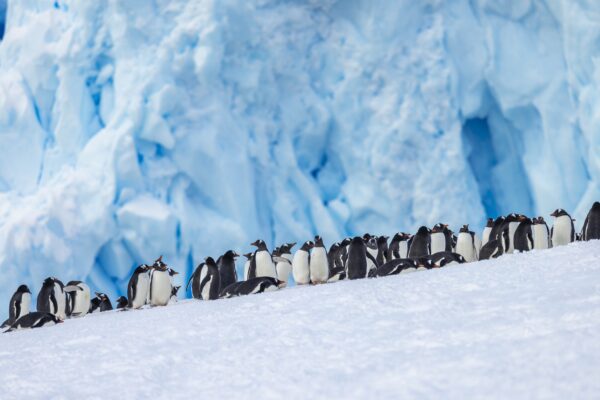
Penguin Population Surveys
Contribute to long-term monitoring efforts by participating in penguin population surveys. Learn how to identify different penguin species and use standardized techniques to count breeding pairs and chicks. This data provides crucial insights into how penguin populations are responding to changes in sea ice extent and prey availability.
Ice Core Sampling
(Depending on the specific expedition) Assist in the collection of ice cores, which provide a valuable record of past climate conditions. By analyzing the composition of ice layers, scientists can reconstruct past temperatures, atmospheric conditions, and greenhouse gas concentrations, providing context for understanding current climate change trends.
Plankton Net Tows
Join the team in collecting plankton samples using specialized nets. These samples are then analyzed to determine the abundance and distribution of different plankton species, which form the base of the Antarctic food web. Changes in plankton populations can have cascading effects on the entire ecosystem, so monitoring these populations is essential.
Scientific Data and its Significance
The data collected during these expeditions is invaluable for understanding the impacts of climate change on the Antarctic ecosystem. It helps scientists:
- Track changes in sea ice extent and thickness.
- Monitor the health and abundance of penguin populations.
- Assess the impacts of ocean acidification on marine organisms.
- Model future climate scenarios and predict the consequences for the Antarctic.
Organizations to Explore: The National Science Foundation (NSF) supports numerous research projects in Antarctica. Look for expeditions associated with universities like Stanford or Oregon State, which often have research programs in the Antarctic.
Useful Instruments and Photography Techniques
- Conductivity, Temperature, and Depth (CTD) Sensors: Learn how to deploy and interpret data from CTD sensors, which measure the physical properties of seawater at different depths.
- Photography in Extreme Cold: Master the art of capturing stunning images in the harsh Antarctic environment. Learn how to protect your equipment from the cold and capture the beauty of the landscape and its wildlife. Consider bringing a camera with good low-light performance and extra batteries.
How to Prepare and Participate
- Required Skills: No specific scientific background is always required, but a strong interest in science and a willingness to learn are essential.
- Ethical Considerations: Understand the importance of minimizing your impact on the environment. Follow strict guidelines for wildlife viewing and waste disposal.
Manta Ray Research Hawaii Citizen Science: Dive into Identification Projects
Immerse yourself in the warm waters of Kona, Hawaii, and contribute to manta ray conservation through photo-identification projects.
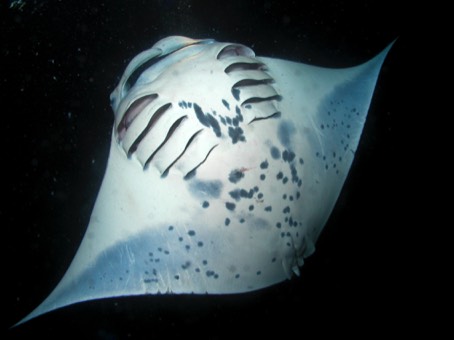
Photo-Identification Techniques
Learn how to photograph manta rays for identification purposes. The unique spotting patterns on their ventral (belly) side serve as "fingerprints," allowing researchers to track individual manta rays over time.
- Approach manta rays calmly and slowly. Avoid sudden movements or loud noises that could disturb them.
- Photograph the entire ventral surface of the manta ray. Ensure the photo is in focus and well-lit.
- Record the date, time, and location of the sighting. This information is crucial for tracking manta ray movements.
Conservation Efforts in Kona
Kona is a hotspot for manta ray tourism, but it's also home to important manta ray habitats that need protection. Conservation efforts focus on:
- Reducing disturbance from boats and divers.
- Protecting manta ray feeding grounds.
- Educating the public about manta ray conservation.
Organizations to Explore: Manta Pacific Research Foundation is a leading organization dedicated to manta ray research and conservation in Hawaii. You can also check with local dive operators who often collaborate with researchers.
Underwater Hydrophones and Manta Ray Vocalizations
Contribute to research on manta ray communication by deploying and monitoring underwater hydrophones. These devices record the sounds of the ocean, allowing scientists to identify and analyze manta ray vocalizations, which could provide insights into their social behavior and communication patterns.
How to Prepare and Participate
- Required Certifications: A basic freediving certification is recommended. Snorkeling experience is generally acceptable as well.
- Necessary Equipment: Bring your own underwater camera or rent one locally.
- Ethical Considerations: Always maintain a safe distance from manta rays and avoid touching or chasing them.
Bahamas Shark Conservation Diving Projects: Assist in Tagging and Tracking
Dive into the crystal-clear waters of Bimini, Bahamas, and assist in the tagging and tracking of hammerhead sharks for migration studies.
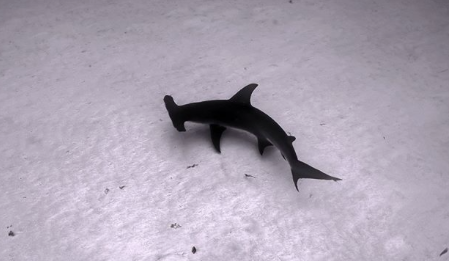
The Tagging Process
Learn how to safely and effectively tag hammerhead sharks with satellite transmitters. The tagging process typically involves:
- Carefully approaching the shark using a specialized boat and tagging pole.
- Attaching the tag to the shark's dorsal fin using a small dart.
- Recording the shark's size, sex, and location.
Data Collection and Satellite Tracking
The satellite tags transmit data on the shark's location, depth, and water temperature. This data is then used to:
- Map hammerhead shark migration routes.
- Identify important habitats and breeding grounds.
- Assess the impacts of fishing and other human activities.
Importance of Understanding Hammerhead Shark Movement Patterns
Understanding hammerhead shark movement patterns is crucial for effective conservation management. This information can be used to:
- Establish marine protected areas.
- Implement fishing regulations.
- Reduce bycatch in fisheries.
Organizations to Explore: The Bimini Biological Field Station Foundation is a leading research institution studying shark populations in the Bahamas. Look for volunteer opportunities on their research projects.
Gear and Techniques for Responsible Shark Photography
Capture stunning images of hammerhead sharks while minimizing disturbance. Use a camera with a fast shutter speed and a wide-angle lens. Avoid using flash photography, which can startle the sharks. Maintain a respectful distance and allow the sharks to approach you on their own terms.
How to Prepare and Participate
- Required Certifications: Advanced scuba diving certification is generally required. Experience diving in challenging conditions is recommended.
- Ethical Considerations: Follow strict guidelines for interacting with sharks. Never feed or harass them.
vistalocation.com: Your Gateway to Ocean Conservation
vistalocation.com connects you with reputable research institutions and conservation organizations that offer these incredible opportunities. Our platform makes it easy to find and book expeditions, research projects, and volunteer programs that align with your interests and skills.
- Browse our listings: Search for specific research institutions, conservation organizations, or types of projects.
- Contact researchers directly: Ask questions about the research and learn more about how you can contribute.
- Book your adventure: Secure your spot on an expedition or volunteer program and start planning your journey.
Participate ocean conservation fieldwork!
Conclusion: Be a Part of the Solution
The ocean faces unprecedented challenges, but with your help, we can make a difference. By participating in these unique sea adventures, you can contribute meaningfully to ocean science and conservation efforts. Visit vistalocation.com today to find the perfect opportunity and embark on a journey that will change your life and help protect our oceans for future generations. Ready to participate in ocean research as a citizen scientist? Contact us today to learn more!