Madagascar's Fragile Paradise: A Marine Biologis...
My recent three-week research trip to Madagascar was a powerful reminder of the delicate balance between breathtaking beauty and urgent environmental challenges. As a marine biologist specializing in coral reef health, I journeyed to this unique island nation to study the impacts of rising sea temperatures and plastic pollution, particularly on the reefs surrounding Nosy Be. This isn’t just a travel review; it’s a dispatch from the front lines of conservation, a glimpse into a world worth fighting for, and a call for Madagascar ecotourism that prioritizes sustainability.
My adventure began with a bustling arrival in Antananarivo, the capital city. After a night spent acclimatizing and enjoying my first taste of Malagasy cuisine (more on that later!), I hopped on a domestic flight to Nosy Be, the "perfume island" off Madagascar's northwest coast, my base for exploring the reefs.
Diving Deep into the Mitsio Archipelago: Whale Sharks and Bleaching Realities
The main focus of my research centered around the Mitsio Archipelago, a cluster of islands north of Nosy Be. The boat ride out there was exhilarating, the turquoise water shimmering under the tropical sun. But the real magic happened beneath the surface.
One of the unforgettable highlights was our encounter with whale sharks. These gentle giants, the largest fish in the sea, are frequent visitors to these waters, drawn by the plankton blooms. Swimming alongside these magnificent creatures, dwarfed by their sheer size, was an experience that instilled in me a renewed sense of awe and responsibility. Diving in Nosy Be Coral Reefs is an encounter to never forget, but it came with a heavy price.
However, this underwater paradise also revealed a disturbing truth. Compared to my pre-trip analysis of a 10-year data set on local reef health, the extent of coral bleaching was significantly more pronounced. What is coral bleaching? Coral bleaching occurs when corals expel the symbiotic algae living in their tissues, causing the coral to turn completely white. It's a direct consequence of rising sea temperatures, a stark reminder of the global climate crisis. Entire sections of the reef appeared ghostly and lifeless. The vibrant colors I had documented in previous research were fading, replaced by a pallid white. While some resilient species like Acropora showed signs of adapting, the overall picture was deeply concerning. The threats to Madagascar biodiversity are showing.
The Impact of Plastic Pollution
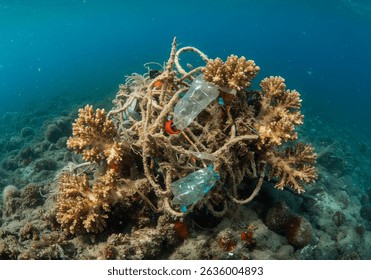
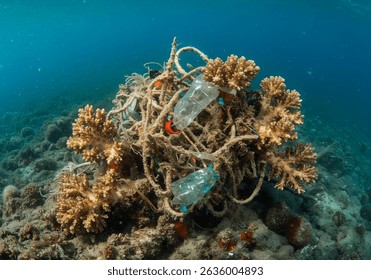
Adding insult to injury, plastic pollution was rampant. I observed plastic bags, bottles, and discarded fishing gear entangled in the coral, smothering the delicate ecosystem. This plastic debris not only physically damages the coral but also leaches harmful chemicals into the water, further weakening their resilience.
Species Diversity and Abundance: A Troubling Decline
Beyond the bleaching and pollution, I noticed a decline in the overall species diversity and abundance compared to my historical data. Certain fish populations, particularly those dependent on healthy coral, were noticeably smaller. This decline underscores the cascading effects of coral degradation on the entire marine ecosystem.
Inland to the Tsingy de Bemaraha: A Geological Wonderland and Ecosystem Connection
Leaving the coast behind, I embarked on a journey inland to the Tsingy de Bemaraha Strict Nature Reserve, a UNESCO World Heritage site. Getting there was an adventure in itself, involving a long drive on bumpy roads and a river crossing by ferry. But the destination was well worth the effort.
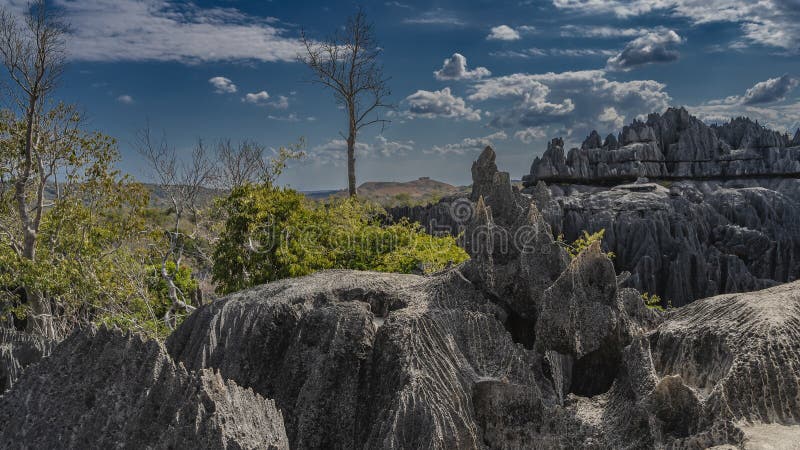
The Tsingy is a surreal landscape of jagged limestone formations, sculpted by millions of years of erosion. Hiking through the "spiny forest" was like stepping onto another planet. The plants here are uniquely adapted to the harsh conditions, with many endemic species found nowhere else on Earth.
Connecting the Terrestrial to the Marine
While seemingly distant from the coastal waters, the health of the Tsingy is intrinsically linked to the health of Madagascar's marine ecosystems. The forests and wetlands of the highlands act as natural filters, regulating the flow of freshwater and preventing excessive sediment runoff into the ocean. Deforestation and degradation of these inland ecosystems can lead to increased sedimentation, which smothers coral reefs and reduces water clarity. Planning your Tsingy de Bemaraha Adventure can be exciting, but being mindful of the environment is most important.
Encounters with Unique Flora and Fauna
During my trek, I encountered a variety of fascinating wildlife, including the Decken's sifaka, a type of lemur adapted to life in the Tsingy, and numerous colorful birds. The unique endemic species of Madagascar are a crucial part of why it is so unique. Seeing these animals in their natural habitat reinforced the importance of protecting this incredible landscape.
Lemur Trekking in Andasibe-Mantadia: A Primates' Plight and Habitat Loss
Next on my itinerary was Andasibe-Mantadia National Park, home to the iconic Indri lemur, the largest living lemur species. The call of the Indri, a haunting, wailing song, echoed through the rainforest as I trekked through the park.
The Challenges of Deforestation
Observing these magnificent primates was a bittersweet experience. While it was incredible to witness them in their natural habitat, it was also impossible to ignore the challenges they face. Deforestation, driven by unsustainable logging and agriculture, is a major threat to lemur populations, shrinking their habitat and isolating them in fragmented forest patches. The deforestation is a threat to many more animals beyond the lemurs, and must be stopped for lemur conservation Madagascar.
The Wider Implications for Biodiversity
The plight of the lemurs is a microcosm of the broader ecological crisis facing Madagascar. As their habitat disappears, so does the biodiversity it supports, including countless other plant and animal species. This loss of biodiversity has far-reaching consequences, impacting everything from water quality to climate regulation.
A Taste of Madagascar: Culinary Delights
No trip to Madagascar would be complete without indulging in the local cuisine.
- In Antananarivo, I sampled romazava at 'La Varangue', a delicious and hearty broth-based stew with greens and meat. The restaurant had a lot of options that tasted delightful.
- On the beach in Nosy Be, I savored a fresh seafood BBQ at a local restaurant. The grilled fish, seasoned with local spices, was simply divine. There are multiple restaurants that have a fresh catch to try.
- Near Andasibe, I purchased koba akondro from a street vendor, a sweet treat made from ground peanuts, rice flour, and bananas, wrapped in banana leaves. It was a small snack that has a lasting impression.
Can you enjoy Malagasy Cuisine as a Vegan?
Yes! It is easy to find a Malagasy cuisine vegan options that taste good!
A Call to Action: Protecting Madagascar's Future
My journey through Madagascar was an eye-opening experience, revealing both the incredible beauty and the urgent environmental challenges facing this unique island nation. The coral reefs are bleaching, plastic pollution is rampant, forests are disappearing, and lemurs are losing their habitat.
We cannot afford to stand idly by while this natural wonder disappears.
How can I travel sustainably in Madagascar?
You can travel sustainably in Madagascar by:
- Choosing responsible tour operators who prioritize environmental conservation and support local communities.
- Reducing your plastic consumption and properly disposing of waste.
- Supporting eco-lodges and businesses that are committed to sustainability.
- Educating yourself about the environmental challenges facing Madagascar and spreading awareness.
Supporting Conservation Efforts
Several organizations are working tirelessly to protect Madagascar's biodiversity and ecosystems. Consider supporting their efforts through donations or volunteer work. Here are a few notable ones:
- World Wildlife Fund (WWF) https://www.worldwildlife.org/
- Madagascar National Parks http://www.parcs-madagascar.com/
- Blue Ventures https://blueventures.org/
A Fragile Paradise: The Urgency of Conservation
Madagascar is a treasure trove of biodiversity, a place unlike any other on Earth. But its unique ecosystems are under threat. The time to act is now. By embracing responsible tourism, supporting conservation efforts, and raising awareness, we can help protect this fragile paradise for future generations. Let's all do our part to ensure that the beauty and wonder of Madagascar endure.