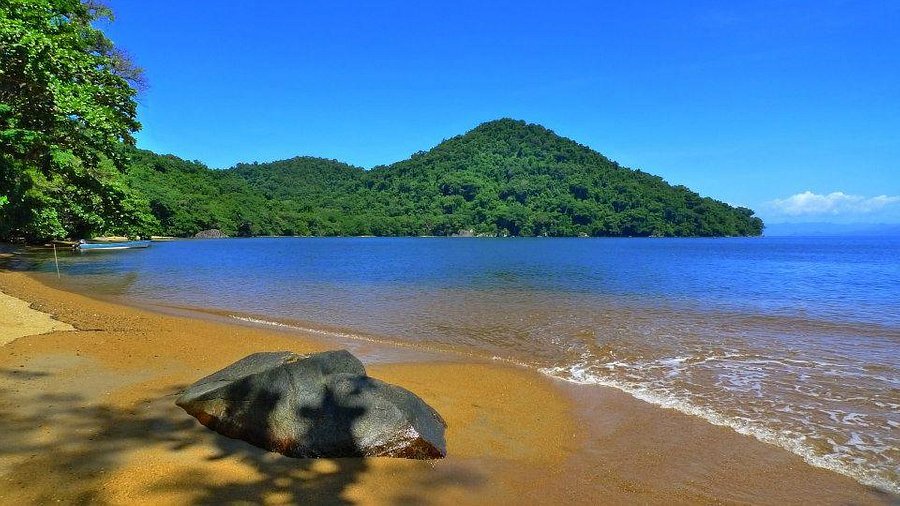
Madagascar's Emerald Jewel: A Conservationist's...
As a wildlife conservationist and amateur botanist, I've been fortunate enough to explore some of the world's most biodiverse hotspots. But nothing quite prepared me for the sheer richness and raw beauty of Masoala National Park in Madagascar. Located on the Masoala Peninsula, this protected area is a haven for unique wildlife, lush rainforests, and stunning coral reefs. My recent five-day journey was an immersive experience into a world teetering on the edge, a place where conservation efforts are not just important, but vital. This isn't just a travelogue; it's a call to responsible ecotourism, a plea to help protect this emerald jewel. Join me as I recount my itinerary and share insights into how you can experience Masoala responsibly, supporting local communities and conservation initiatives along the way.
Day 1: Arrival and Rainforest Immersion
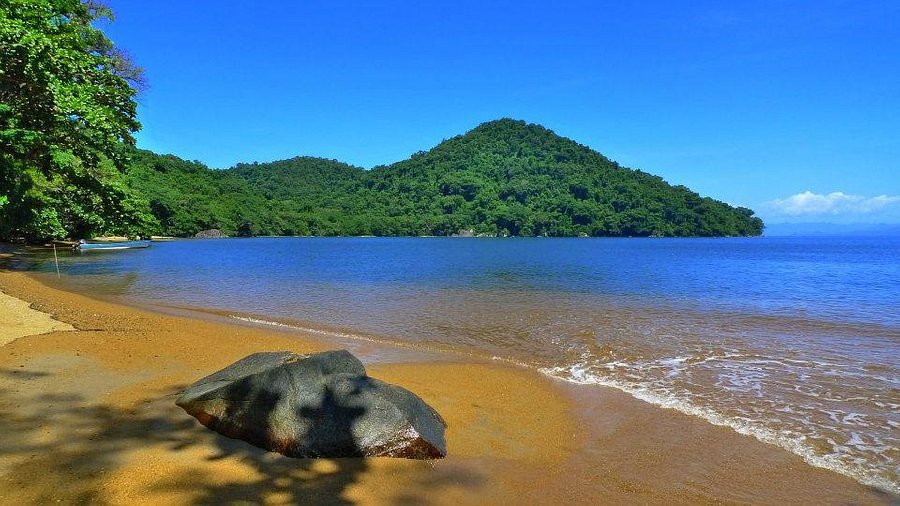
My journey began with a flight to Maroantsetra Airport (MNZ), a small hub connecting the mainland to the Masoala Peninsula. From there, I had pre-booked a boat transfer through Masoala Forest Lodge, a reliable option for reaching the park entrance near Tampolo. The boat ride itself was a treat, offering glimpses of the coastline and the promise of the rainforest ahead.
Upon arrival in Tampolo, I connected with Jean-Baptiste, a local guide recommended for his deep knowledge of the area and, more importantly, his understanding of the Helmet Vanga (Euryceros prevostii). This striking bird, with its distinctive helmet-like bill, was high on my list of sightings. Jean-Baptiste didn't disappoint.
As we ventured into the primary rainforest, the humidity enveloped me like a warm blanket. The air hung thick with the scent of damp earth, decaying leaves, and the sweet fragrance of unseen blossoms. The sounds were equally overwhelming: the incessant chirping of insects, the calls of unseen birds, and the rustling of leaves in the canopy high above.
Jean-Baptiste led me through a maze of towering trees, their roots buttressing against the forest floor. He pointed out various plant species, explaining their medicinal properties and ecological significance. He knew exactly where to look for the Helmet Vanga, having tracked their nesting locations for years. We patiently waited, and finally, a male appeared, perched on a branch, its vibrant colors a stark contrast against the green backdrop. It was a truly unforgettable moment.
Day 2: Snorkeling Tampolo Marine Reserve
The next morning, I traded my hiking boots for snorkeling gear. The Tampolo Marine Reserve, just offshore from the village, boasts some of the most pristine coral reefs in Madagascar. I arranged a boat trip and gear rental through Masoala Forest Lodge, though local fishermen also offer similar services.
The water clarity was impressive, allowing me to observe the vibrant coral formations with ease. Acropora and Porites species dominated the reef, creating a kaleidoscope of colors and textures. Schools of reef fish darted among the coral branches, adding to the visual spectacle. But the highlight of the trip was undoubtedly spotting several green sea turtles (Chelonia mydas) gracefully gliding through the water.
However, even in this seemingly idyllic setting, the impact of climate change was evident. Patches of coral bleaching were visible, a stark reminder of the threats facing these fragile ecosystems. It was a poignant reminder of the urgency of conservation efforts to protect these marine treasures.
Day 3: Nocturnal Lemur Spotting
Madagascar is synonymous with lemurs, and Masoala is home to a diverse array of these fascinating primates. For my nocturnal lemur spotting tour, I enlisted the expertise of Marie, a local guide renowned for her keen eyesight and deep understanding of lemur calls.
As darkness descended, we ventured into the rainforest edges near the village. Marie instructed me on the importance of using red light headlamps to avoid disturbing the animals. We focused our efforts on spotting the elusive Aye-aye (Daubentonia madagascariensis) and the Brown Mouse Lemur (Microcebus rufus).
The rainforest transformed at night, taking on an entirely different character. The sounds intensified, and the air felt even more alive. Marie expertly mimicked lemur calls, attracting the attention of several individuals. We were lucky enough to observe a Brown Mouse Lemur scurrying through the undergrowth, its tiny eyes reflecting the red light of our headlamps.
The real prize, however, was a glimpse of the Aye-aye. This bizarre-looking lemur, with its oversized ears, bushy tail, and elongated middle finger, is a true marvel of evolution. We observed it using its specialized finger to probe for insects in tree bark, a truly captivating sight.
Day 4: Cultural Immersion and Valiha Performance
A visit to Masoala is not complete without immersing yourself in the local culture. I arranged a visit to Andranobe, a nearby village, through a community tourism initiative. Contacting the village elder, Rakoto, proved to be a valuable connection. This ensured that my visit directly benefited the community and supported their efforts to preserve their traditions.
I was greeted with warm smiles and genuine hospitality. The villagers shared their stories and traditions, offering me a glimpse into their daily lives. The highlight of the visit was a traditional Valiha performance. The Valiha is a tube zither, typically made from bamboo, and holds a special place in Malagasy culture. It symbolizes ancestral connections and is often played during important ceremonies and celebrations.
The music was mesmerizing, a blend of rhythmic strumming and haunting melodies. The dancers, adorned in colorful traditional clothing, moved with grace and energy. It was a truly immersive experience, one that deepened my appreciation for the rich cultural heritage of Madagascar.
Malagasy Cuisine: A Culinary Journey
No trip to Madagascar is complete without indulging in the local cuisine. During my stay, I had the opportunity to savor several traditional Malagasy dishes:
- Romazava: This hearty stew is a staple in Malagasy households. It’s made with zebu beef, ginger, tomatoes, garlic, and a variety of greens known as brèdes. Each family has their own variation, often using different types of brèdes, and it's typically served during family gatherings. The key is to simmer it low and slow, allowing the flavors to meld together.
- Ravimbomanga: Another classic dish, Ravimbomanga features cassava leaves cooked with shredded zebu beef, tomatoes, and onions. The cassava leaves need to be boiled for an extended period to remove any toxins. It's often served with rice and provides a filling and flavorful meal.
- Koba Akondro: For a sweet treat, I highly recommend Koba Akondro. This sweet rice cake is made with ground peanuts, mashed bananas, and rice flour, wrapped in banana leaves, and then steamed. It's a popular street food and a perfect snack after a long hike. It tastes like a healthy banana bread and is incredibly satisfying.
- Local THB Beer: And of course, no meal is complete without a refreshing THB (Three Horses Beer), the "national beer" of Madagascar. It's the perfect beverage to enjoy after a day of exploring the rainforest.
Day 5: Departure
My final day began with an early morning hike to a viewpoint overlooking the bay. As the sun rose over the rainforest, the dense biodiversity of Masoala was on full display. The vast expanse of green stretched as far as the eye could see, a testament to the importance of preserving this natural wonder.
I took a moment to reflect on my experience, feeling a deep sense of gratitude and a renewed commitment to conservation. After a final breakfast, I departed from Tampolo via boat back to Maroantsetra for my flight, carrying with me memories that will last a lifetime.
Threats to Masoala's Biodiversity and the Role of Ecotourism
Masoala National Park, while a protected area, faces numerous threats to its biodiversity. Illegal logging of rosewood and ebony, poaching of lemurs for bushmeat, and slash-and-burn agriculture (tavy) all pose significant challenges.
Responsible ecotourism can play a crucial role in mitigating these threats. By providing economic incentives for local communities to protect the park, it can create a sustainable alternative to destructive practices. When communities benefit directly from tourism, they are more likely to support conservation efforts.
Supporting local conservation organizations, such as Madagascar National Parks, is also essential. These organizations work tirelessly to combat illegal activities, promote sustainable agriculture, and educate local communities about the importance of conservation.
Viral TikTok Moment: The Satanic Leaf-tailed Gecko
Before I forget, let me tell you about an incredible creature I encountered during one of my rainforest treks. I was lucky enough to witness the camouflage mastery of the Satanic Leaf-tailed Gecko (Uroplatus phantasticus). This master of disguise blends seamlessly with the bark of trees, making it almost invisible to the untrained eye.
[Link to TikTok video will be here after posting on vistalocation.com/tiktok]
Supporting Conservation Efforts in Masoala
There are several ways you can contribute to the conservation of Masoala National Park:
- Choose responsible tour operators: Select tour operators who prioritize sustainability and work with local communities.
- Support local businesses: Purchase handicrafts and souvenirs from local artisans, ensuring that your money directly benefits the community.
- Donate to conservation organizations: Contribute to organizations like Madagascar National Parks, which are working to protect Masoala's biodiversity.
- Spread awareness: Share your experiences and educate others about the importance of conservation.
Conclusion
Masoala National Park is a truly remarkable place, a testament to the incredible biodiversity of Madagascar. But it is also a place under threat. By choosing responsible ecotourism, supporting local communities, and donating to conservation organizations, we can all play a role in protecting this emerald jewel for future generations.
Ready to experience the magic of Masoala for yourself? Contact Vistalocation.com to book your sustainable adventure today!