Madagascar's Balancing Act: Conservation, Commun...
My recent three-week expedition to Madagascar was a deeply rewarding experience, a journey into a world of unparalleled biodiversity and a poignant lesson in the delicate balance between conservation and the needs of local communities. As a marine biologist specializing in coral reef ecosystems and sustainable aquaculture, I traveled to this unique island nation with vistalocation.com to research the impacts of climate change, explore innovative solutions, and witness firsthand the power of ecotourism. My focus on this trip was around Marine biology Madagascar, as I focused on the coral reefs of Nosy Be.
Coral Reef Research (Nosy Be)
My work in the waters surrounding Nosy Be focused primarily on the devastating effects of coral bleaching. Rising sea temperatures are placing immense stress on these vital ecosystems, impacting coral species like the branching Acropora (staghorn coral) and the resilient Platygyra (brain coral). We observed significant bleaching in these areas, a stark reminder of the urgent need for global climate action.
To assess the extent of the damage, we employed several monitoring techniques. Underwater visual surveys allowed us to quickly gauge the overall health of the reef, while photo transects provided a more detailed, quantitative analysis of coral cover and bleaching prevalence. Using my Paralenz Vaquita underwater camera, I meticulously documented the affected areas, creating a visual record of the changing reef landscape. The images, along with the data collected, will contribute to ongoing research efforts aimed at understanding the long-term impacts of climate change on Madagascar's coral reefs.
Sustainable Octopus Fishing (Andavadoaka):
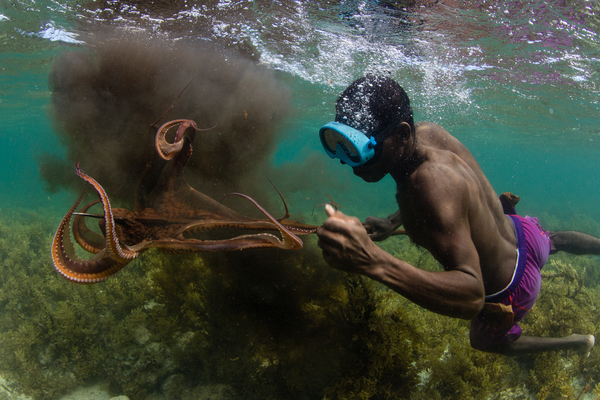
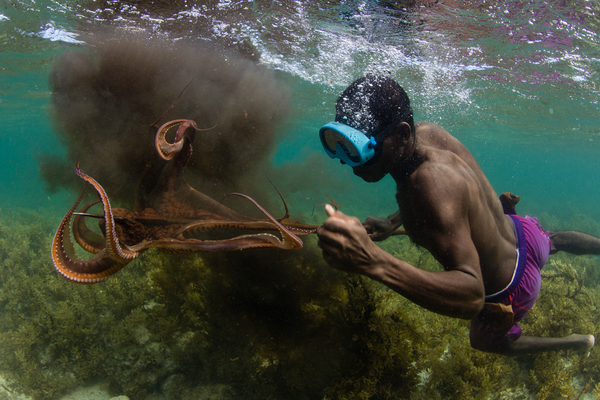
Moving southward, I had the privilege of witnessing a remarkable community-based project in Andavadoaka. Here, local fishermen are leading the way in Andavadoaka octopus fishing sustainability, demonstrating a commitment to responsible resource management. The core of this initiative lies in temporary fishing closures. For a set period, a designated area is closed to octopus fishing, allowing populations to recover and mature.
The community actively monitors octopus populations, using traditional knowledge combined with scientific techniques to assess stock levels. Based on these assessments, quotas are established for harvesting, ensuring that fishing remains sustainable. This approach not only safeguards marine resources but also provides a stable and reliable income for local fishermen. It's a powerful example of how community involvement can drive successful conservation efforts.

Mangrove Conservation (Bay of Ranobe)
The Mangrove conservation Bay of Ranobe is a testament to the importance of these coastal forests. Kayaking through the intricate network of mangrove channels, I was struck by their sheer density and the abundance of life they support. Mangroves act as natural barriers, protecting coastlines from erosion and storm surges. They also serve as critical nurseries for countless fish and invertebrate species, playing a vital role in the marine food web.
I witnessed firsthand the local efforts to replant mangrove forests, a crucial step in restoring degraded areas and enhancing coastal resilience. These community-led initiatives are not only protecting the environment but also providing valuable economic opportunities.
Vanilla Plantation Visit:
Beyond the coast, I ventured inland to visit a community-run vanilla plantation. The fragrant air was intoxicating, but what impressed me most were the sustainable Madagascar travel farming practices employed. The farmers utilize traditional methods, avoiding harmful pesticides and fertilizers. This not only protects the environment but also produces a higher-quality vanilla bean. The economic benefits for the local community are significant, providing a stable source of income and empowering families.
Mikea Forest Lemur Tracking
A highlight of the trip was a lemur tracking expedition in the remote Mikea Forest. This unique ecosystem is home to a variety of endemic species, including the agile Sifaka lemur. The Mikea Forest lemur tracking experience was breathtaking, as we observed these fascinating creatures leaping effortlessly through the canopy.
The Mikea Forest is facing severe deforestation threats, primarily driven by illegal logging and agricultural expansion. Ecotourism plays a crucial role in protecting this critical habitat. By bringing in revenue and raising awareness, it incentivizes conservation and provides local communities with alternative livelihoods that are more sustainable than destructive practices.

School Visit:
One of the most heartwarming experiences was visiting a local school near Andavadoaka, supported by ecotourism revenue. The school's resources are limited, but the dedication of the teachers and the enthusiasm of the students were truly inspiring.
"The ecotourism has made a big difference," said one teacher. "We have more books, more supplies, and the children are more motivated to learn." A young student added, "I want to be a guide when I grow up, so I can show people how beautiful Madagascar is and help protect it." It's clear that ecotourism is not just about protecting the environment; it's about investing in the future of Madagascar's communities.
A Taste of Madagascar:
No trip to Madagascar is complete without experiencing its unique cuisine.
- Romazava: This traditional beef stew is a hearty and flavorful dish, featuring local greens like anamalao and brèdes mafana. The combination of tender beef and slightly bitter greens is a true delight.
- Koba Akondro: This sweet rice cake steamed in banana leaves is a popular treat. The unique flavor and texture are simply irresistible.
- Sustainably Sourced Seafood: From grilled fish to succulent shrimp, the seafood in Madagascar is incredibly fresh and flavorful. The efforts to ensure responsible fishing practices mean you can enjoy your meal knowing that you're supporting sustainable livelihoods.
Challenges
Madagascar faces significant environmental challenges. Deforestation is rampant, driven by the demand for timber and agricultural land. This loss of habitat threatens countless species, including the iconic lemurs. Climate change is also having a devastating impact, particularly on coral reefs, as Climate Change affect in Madagascar Ecotourism. The rising sea temperatures cause coral bleaching, while increased storm intensity damages coastal ecosystems.
A Call to Action:
Despite these challenges, there is hope. Ecotourism offers a powerful tool for conservation and economic development. By supporting responsible tour operators, staying in eco-friendly accommodations, and engaging with local communities, you can make a positive impact.
I urge you to support conservation efforts in Madagascar. Consider donating to organizations like the Madagascar Biodiversity Partnership, which works tirelessly to protect lemurs and their forest habitat. Look for other NGOs that focus on community-based conservation.
vistalocation.com is committed to sustainable travel and eco-friendly accommodations. When planning your trip to Madagascar, choose options that prioritize environmental responsibility and community empowerment. Together, we can help protect this incredible island nation for generations to come, and boost Madagascar eco-tourism. By booking accommodations and tours that are eco-friendly, you can travel responsibly and support the local communities. Make sure to investigate options for Madagascar conservation volunteering opportunities for your next trip!