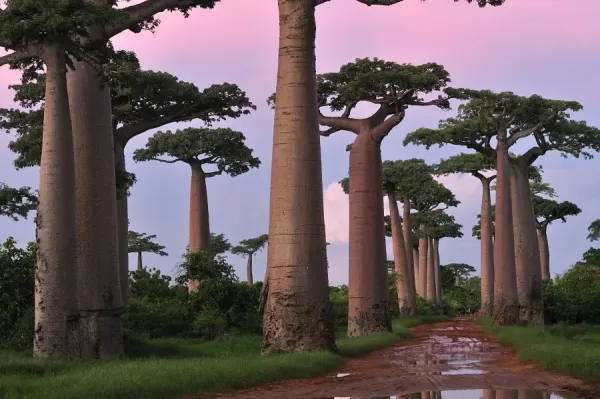
Madagascar: Whispers of the Ancestors in Petals...
Antananarivo, the vibrant capital of Madagascar, is a feast for the senses. The bustling markets overflow with colorful textiles, hand-carved wooden crafts, and aromatic spices, a testament to the island's rich cultural heritage. The architecture, a unique blend of Malagasy and French influences, tells a story of the island's past. My journey here marks the beginning of the first phase of my research, a project funded by a grant to document the traditional medicinal plant knowledge of the Betsileo people in the central highlands. With a commitment to sustainable Madagascar culture tours, this expedition seeks to uncover the hidden wisdom woven into the very fabric of Malagasy life, and I am incredibly excited to share my experiences with you. This is Madagascar ethnobotany travel at its most engaging.
From Antananarivo, I traveled to a community-run eco-lodge near Ranomafana National Park. The eco-lodge is a shining example of responsible tourism, employing local villagers and minimizing its environmental impact through solar power, rainwater harvesting, and meals prepared with locally sourced ingredients. It is truly ecotourism Madagascar local communities at its finest.
Lemur Tracking in Ranomafana National Park
My adventure began with lemur tracking in Ranomafana National Park. This lush rainforest teems with biodiversity, and I was particularly fascinated by the golden bamboo lemur. These incredible creatures subsist almost entirely on bamboo shoots, a diet that would be lethal to most animals due to the cyanide content.
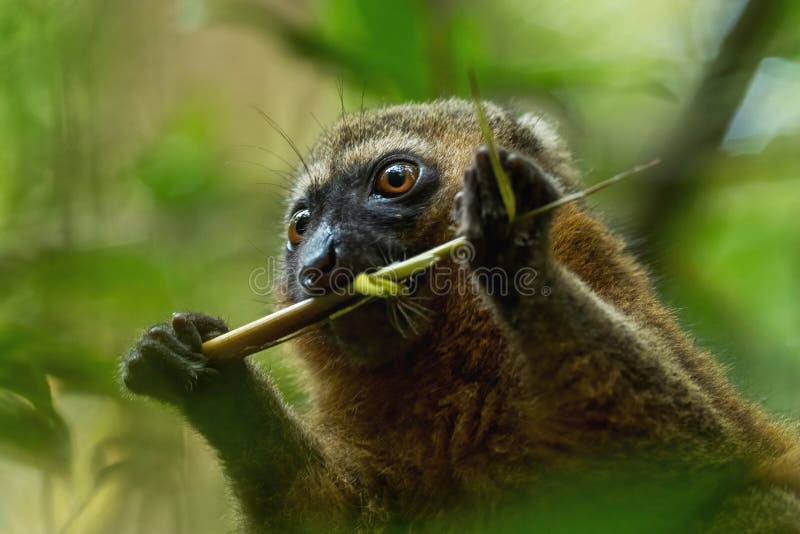
The local guides, with their profound understanding of Ranomafana National Park ethnobotany, monitor the lemurs closely, using their knowledge of plant toxicity to ensure the animals' well-being. They understand exactly what the lemurs need. It's a testament to the deep connection between the Malagasy people and their environment. This experience underscored the vital role of indigenous knowledge in conservation efforts.
Vanilla's Sweet Embrace: A Visit to Sambava
From the rainforest, I journeyed to the northern region of Sambava, the "vanilla capital" of Madagascar. Here, I witnessed the intricate process of vanilla cultivation, a labor-intensive undertaking that begins with hand-pollinating each individual flower. The cured vanilla beans are not only crucial to the local economy but are also deeply woven into the cultural fabric. The curing process, a carefully guarded secret passed down through generations, transforms the otherwise unassuming green pods into the fragrant, dark brown beans that grace our desserts worldwide.
This is the base of many ethnobotanical expeditions Madagascar for those interested in agriculture.
A Taste of Madagascar: Romazava and Koba Akondro
Malagasy cuisine is as diverse and vibrant as the island itself. I savored Romazava, a hearty meat stew simmered with a medley of local greens and ginger, its earthy flavors a comforting reminder of the land. Then there was Koba Akondro, a sweet and satisfying peanut and banana cake, a perfect ending to any meal.
The abundance of tropical fruits – mangoes, lychees, soursop – was a constant delight, each bursting with intense flavors and packed with vitamins. One evening, I had the privilege of sharing dinner with a local Betsileo family. As we shared Romazava and Koba Akondro, they shared their knowledge of the medicinal properties of various plants used in their daily lives, offering insights into their Betsileo traditions and plant use. It was an unforgettable evening, filled with laughter, stories, and a profound appreciation for their deep connection to nature, and included a discussion on the impact of the nearby Grandidier's baobabs.
Rustic Research and Baobabs
My journey led me to a rustic research station near Kirindy Mitea National Park. The station's primary focus is on conservation efforts, particularly protecting the endangered giant jumping rat and the unique dry deciduous forest ecosystem. I was especially captivated by the majestic Grandidier's Baobab trees, ancient sentinels that dominate the landscape. These towering giants, with their swollen trunks and sparse branches, are endemic to Madagascar and play a crucial role in the local ecosystem.
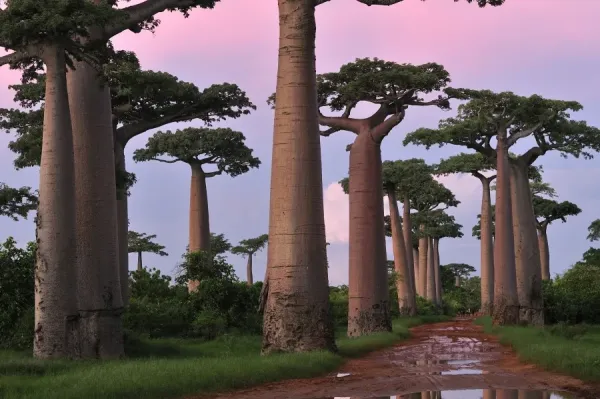
The conservation efforts Madagascar plants is a major focus of my research. It is here I found the Comet Orchid, known for its long nectar spur and symbiotic relationship with the long-tongued moths of Madagascar. This incredible interaction highlights the intricate web of life that exists in this unique ecosystem.
Whispers of Wisdom: Preserving a Legacy
My experiences in Madagascar have been nothing short of transformative. The Betsileo medicinal plants are a treasure trove of knowledge, passed down through generations. My research aims to contribute to the preservation of this invaluable heritage, working alongside the Malagasy people to document their traditional practices and promote sustainable use of their natural resources. It’s about more than just plants; it’s about preserving a way of life. The goal is to support the Madagascar indigenous knowledge tourism sector.
What can we learn from the intricate relationship between the Malagasy people and their plant life, and how can we ensure that this wisdom is not lost to future generations? The answers, I believe, lie in fostering respect, promoting sustainable practices, and supporting the communities who hold this precious knowledge. The island and its people are an example for the rest of the world.