Madagascar on a Mid-Range Budget: An Authentic 1...
Madagascar! Just the name conjures images of bizarre wildlife, untouched landscapes, and vibrant cultures. As a 28-year-old travel writer with a passion for Madagascar sustainable travel and cultural immersion, I'd been dreaming of visiting this island nation for years. Finally, the opportunity arrived, and I embarked on a 10-day journey, carefully planned to balance authentic experiences with a mid-range budget. My goal was to experience Madagascar ecotourism firsthand while contributing positively to local communities and conservation efforts. From lemur trekking to exploring unique geological formations, this trip was a feast for the senses and a lesson in responsible travel. And, let me tell you, it did not disappoint!
My adventure began at Ivato International Airport (TNR) in Antananarivo. Even before stepping outside, the air buzzed with energy. The airport was a kaleidoscope of colors – from the bright taxi-brousses (bush taxis) waiting outside to the hand-painted signs advertising local businesses. The sheer energy of Antananarivo hit me immediately. I spent my first night at an eco-friendly guesthouse just outside the city. The guesthouse was beautiful, and I really valued its commitment to supporting the local community. They employed people from the surrounding villages, sourced their food locally, and invested in environmental education programs. This was the kind of responsible travel Madagascar guide that I was looking for.
Days 2-3: Andasibe-Mantadia National Park & Lemur Encounters
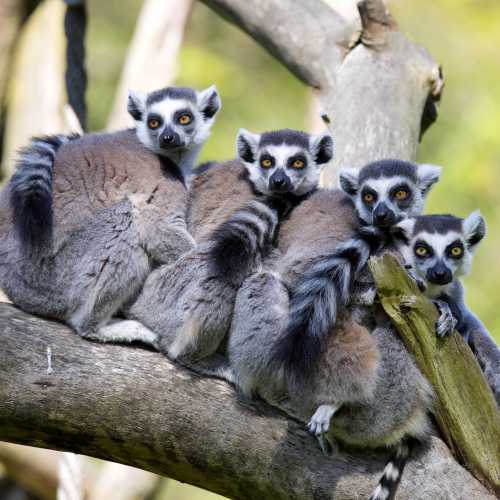
The next morning, I headed east to Andasibe-Mantadia National Park, a haven for lemurs and other unique wildlife. I was fortunate to have Alain, a local guide with an encyclopedic knowledge of the park, lead my trek. Alain's expertise was invaluable; he could identify every bird call and knew exactly where to find the elusive Indri, the largest of the lemurs.
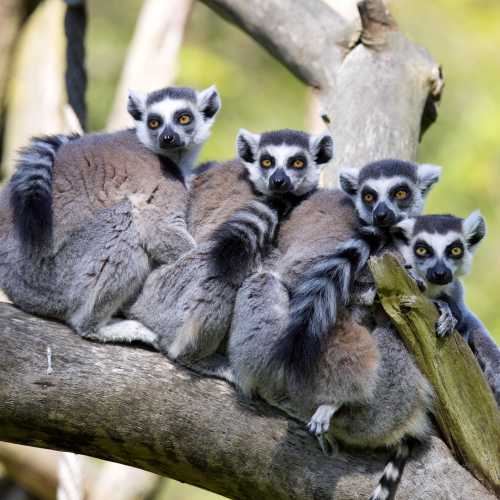
Hearing the Indri's haunting call echo through the rainforest was an unforgettable experience. Seeing them leap effortlessly through the canopy was mesmerizing. I even attempted to greet Alain and the other villagers using "Manao ahoana" (hello). Alain was very impressed with the pronunciation! We spent hours tracking different lemur species, marveling at the incredible biodiversity of the park. Alain also explained the devastating impact of deforestation on the region and emphasized the crucial role of ecotourism in protecting this precious ecosystem. I stayed at the Vakôna Forest Lodge, a beautiful establishment known for its eco-friendly Vakôna Forest Lodge review worthy practices, including waste reduction and water conservation. The lodge clearly demonstrated how tourism can contribute to local environmental preservation.
Days 4-5: Antsirabe and the Highland Rice Paddies
An early morning ride in a taxi-brousse (bush taxi) took me to Antsirabe, a city known for its thermal springs and colonial architecture. The journey itself was an adventure, bouncing along the road, passing vibrant rice paddies that stretched as far as the eye could see.
I stayed in a small, family-run guesthouse that provided an authentic glimpse into local life. The next day, I had the opportunity to visit a local family in their home and learn about their traditional way of life. They were incredibly welcoming and shared stories about their culture and the challenges they faced in maintaining their traditions in a rapidly changing world.
Day 6: Sunset at the Avenue of the Baobabs
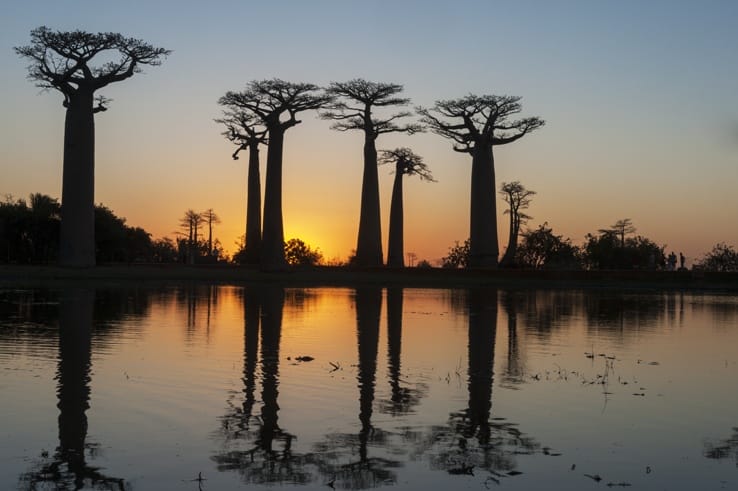
A short flight from Antananarivo to Morondava brought me to one of Madagascar's most iconic sights: the Avenue of the Baobabs. These ancient, towering trees create an otherworldly landscape, especially during sunset.
Witnessing the fiery sun dip below the horizon, silhouetting the baobabs against the crimson sky, was a truly magical experience. It was the perfect place for Avenue of the Baobabs Sustainable Tours. The sheer scale and age of these trees are humbling, and it reinforced the importance of conservation efforts to protect these natural monuments for future generations. I found a basic but comfortable accommodation in Morondava for the night.
Day 7: Tsingy de Bemaraha Strict Nature Reserve
The next day I visited the Tsingy de Bemaraha Strict Nature Reserve, a UNESCO World Heritage site famous for its dramatic limestone karst formations, often referred to as a "stone forest."
The hike through the Tsingy was challenging but incredibly rewarding. Navigating the sharp, jagged rocks required careful footing, but the unique geology and breathtaking views made it all worthwhile. The landscape was unlike anything I had ever seen, a stark contrast to the lush rainforests of Andasibe. The effort being put into protecting this unique ecosystem from erosion was obvious.
Days 8-9: Nosy Be and Underwater Wonders
A flight to Nosy Be, an island off the northwest coast of Madagascar, offered a chance to experience the island's coastal beauty. I spent the days snorkeling and diving in the crystal-clear waters, exploring vibrant coral reefs teeming with marine life. I chose a local dive operator who was committed to responsible tourism and ensuring the preservation of the marine environment.
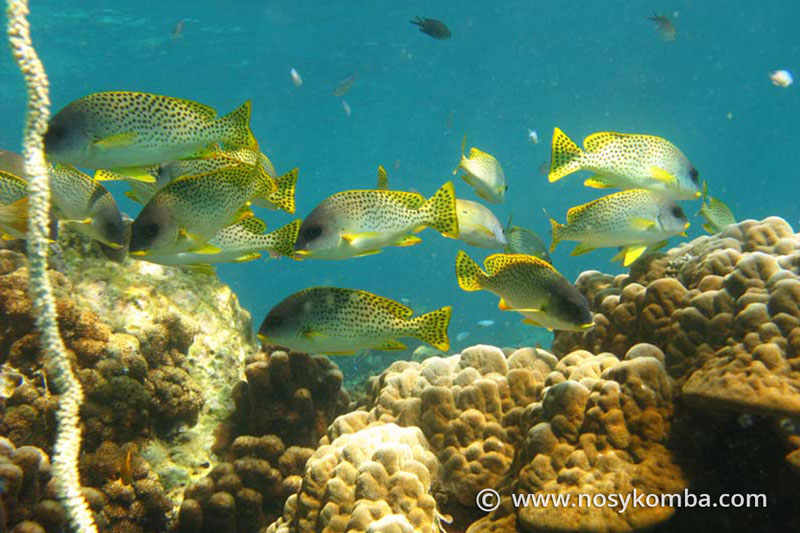
Evenings were spent savoring freshly grilled seafood, particularly lobster, on the beach as the sun dipped below the horizon. The Nosy Be Snorkeling and Diving Eco-Friendly approach taken by my dive operator made the experience even more enjoyable, knowing that my tourism was not contributing to the degradation of this environment.
Food & Culture: A Taste of Madagascar
Throughout my journey, I indulged in the local cuisine. One of my favorite dishes was romazava, a hearty stew made with various greens, meat (usually zebu), and ginger. The flavors were rich and comforting. I also sampled koba, a sweet treat made from ground peanuts, rice flour, and honey, wrapped in banana leaves – a staple food of the region, and something I learned was culturally very significant. And of course, I couldn't leave Madagascar without experiencing the world-renowned vanilla.
I visited a vanilla plantation and learned about the intricate process of growing and curing the beans. The aroma was intoxicating! In a small village near Andasibe, I was invited to attend a traditional music performance. The warmth and hospitality of the local people were truly touching. I attempted the phrase "Misaotra betsaka" (thank you very much) after the show.
Sustainable Tourism in Madagascar: Challenges and Opportunities
Madagascar's incredible biodiversity and contrasting landscapes offer immense potential for sustainable tourism. However, the country faces significant challenges, including deforestation, poverty, and a lack of infrastructure. Based on my observations and interactions with local communities, I believe that tourism can play a crucial role in conservation and community empowerment.
By choosing eco-friendly accommodations, supporting local businesses, and respecting local customs, travelers can contribute to the sustainable development of Madagascar. It's crucial to ensure that tourism revenue benefits local communities directly, providing them with economic opportunities and incentives to protect their natural resources. There's definitely a need for more Madagascar Biodiversity Conservation Tourism to protect this unique environment.
My 10-day trip to Madagascar was an unforgettable experience. From the rainforests of Andasibe to the Avenue of the Baobabs and the coral reefs of Nosy Be, the island's beauty and diversity left me in awe. More importantly, I gained a deeper understanding of the challenges and opportunities for sustainable tourism development in Madagascar. I am filled with gratitude for the experiences I shared and hopeful that I will return to further explore this extraordinary island nation.
Ready to plan your own sustainable adventure in Madagascar? Learn more about responsible travel practices and discover eco-friendly accommodations on vistalocation.com. And, for tips on how to get to Tsingy de Bemaraha independently, check out our resources on navigating Madagascar's transportation system!