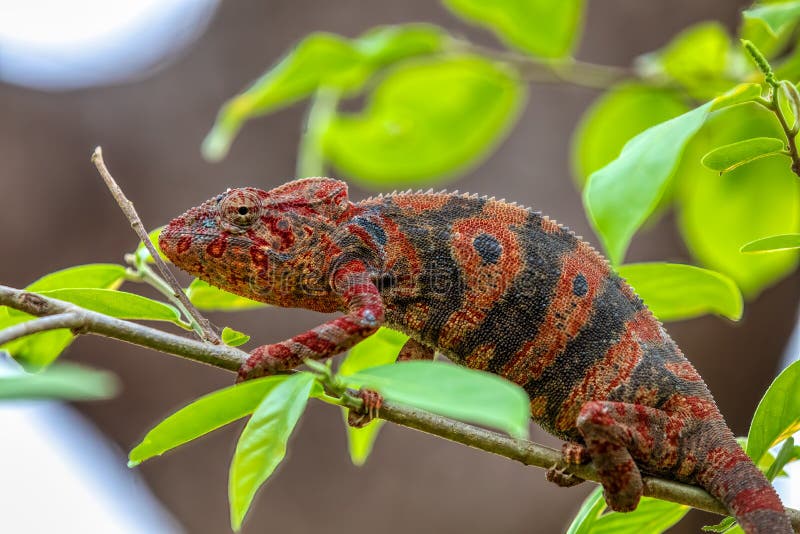
Madagascar: A Wildlife Photographer's Plea for C...
Madagascar. The name itself conjures images of otherworldly landscapes and creatures found nowhere else on Earth. As a wildlife photographer specializing in endangered species, I've dreamed of documenting this island's unique biodiversity for years. Recently, I spent 14 unforgettable days traversing its diverse terrain, from the razor-sharp limestone forests to the lush rainforests, all with the goal of capturing the essence of this natural wonder and highlighting the urgent need for its conservation. It's a challenging journey to get there, but I can attest that witnessing Madagascar's unique biodiversity made it entirely worthwhile. Join me as I share some of my most impactful experiences and offer a glimpse into the magic and vulnerability of Madagascar.
Navigating the Tsingy de Bemaraha: A Stone Labyrinth
The Tsingy de Bemaraha Strict Nature Reserve is unlike anything I've ever witnessed. Imagine a vast landscape of jagged limestone formations, sculpted by centuries of wind and rain into a surreal, almost alien environment. The name "Tsingy" translates to "the place where one cannot walk barefoot," and believe me, they aren't kidding.
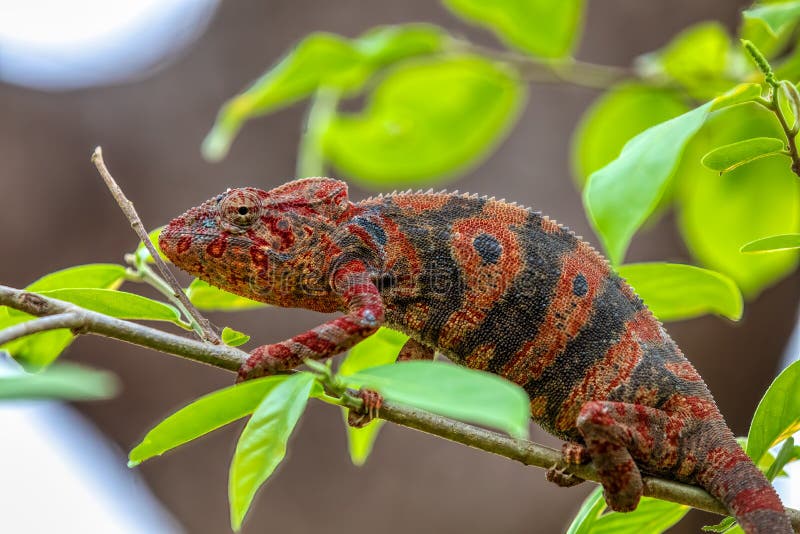
Photographing here was a true test of both my physical and creative limits. Hiking through the Tsingy demanded careful footwork and a healthy dose of caution. The sharp edges of the limestone could easily tear through clothing and skin, and navigating the narrow passages required agility and a willingness to squeeze through tight spaces. The rewards, however, were immeasurable.
Amidst this seemingly inhospitable terrain, life flourishes. Endemic species like the Decken's sifaka, a lemur known for its silky white fur and graceful leaps, find refuge within the Tsingy's intricate network of canyons and forests. Spotting these creatures required patience and a keen eye. The harsh sunlight reflecting off the white rock created challenging lighting conditions, demanding precise exposure control. The unique architecture of the Tsingy also posed difficulties, with extreme contrasts between light and shadows. I had to balance capturing the grand scale of the landscape with the intricate details of the wildlife that calls it home. The effort was worth it though, when photographing the Decken's sifaka I was able to capture some stunning shots that really showed the animal in its natural habitat.
Lemur Spotting in Andasibe: An Encounter with the Indri
Leaving the Tsingy behind, I journeyed to Andasibe-Mantadia National Park, a realm of dense rainforest and home to a symphony of sounds. My primary goal here was to photograph the Indri, the largest living lemur species, known for its haunting, melodic calls that echo through the forest.
I enlisted the expertise of Madagascar Adventures and was fortunate enough to have Jean-Luc as my guide. His knowledge of the park and the Indri's habits proved invaluable. Jean-Luc helped me navigate the complex terrain while providing vital information about the Indri.
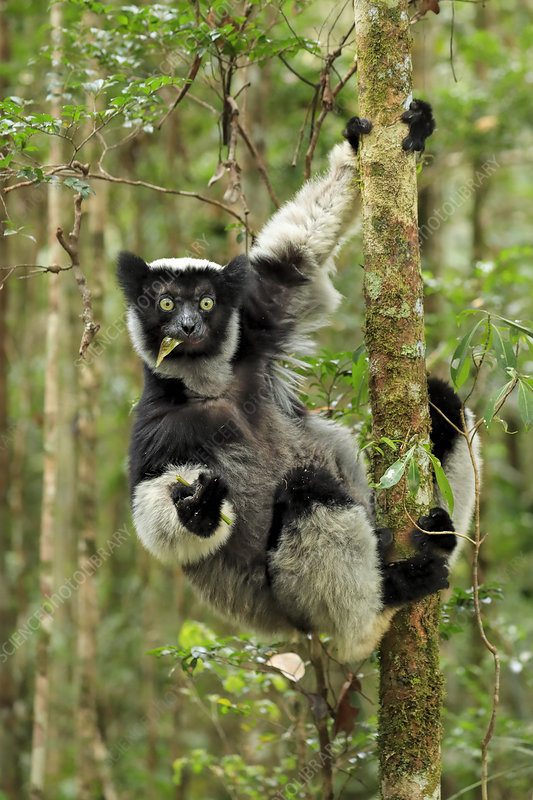
Photographing the Indri presented a unique set of challenges. The dense rainforest canopy filtered the sunlight, creating a perpetually dim environment. This required me to push the ISO on my Sony A7IV and rely heavily on my Sony FE 200-600mm f/5.6-6.3 G OSS lens. Even with this setup, capturing sharp images of these agile creatures as they leaped through the trees was no easy feat.
The 200-600mm allowed me to capture details that would otherwise be impossible, but even that wasn't without challenges. In low light, a wider aperture is desired, but I was still able to make it work to capture some very impressive shots of the Indri lemurs. Jean-Luc's expertise proved invaluable. He knew where the Indri were likely to be, and his ability to mimic their calls often brought them closer, providing me with fleeting moments to capture their beauty. Hearing them respond to Jean-Luc's call was an experience I won't soon forget.
Lemur Photography Tips Madagascar
- Utilize a fast lens: The rainforest canopy often creates dim lighting conditions, requiring a lens with a wide aperture.
- Increase your ISO: Don't be afraid to push your camera's ISO to capture enough light.
- Use burst mode: Lemurs are quick and agile, so burst mode can help you capture the perfect moment.
- Hire a guide: A local guide can help you find lemurs and navigate the rainforest.
- Be patient: Lemur spotting requires patience and a keen eye.
A Taste of Madagascar: Koba Akondro and Romazava
Beyond its incredible wildlife, Madagascar also boasts a rich and vibrant culture, and one of the best ways to experience it is through its cuisine. During my travels, I made it a point to sample some of the local delicacies.
Near Antsirabe, I stopped at a roadside vendor and tried Koba Akondro, a traditional cake made from ground peanuts, rice flour, and mashed bananas, all wrapped in banana leaves and steamed. The flavor was a delightful mix of sweet and nutty, with a slightly sticky texture. It was the perfect energy boost for a long day of exploring.

In Antananarivo, I ventured into a local restaurant and ordered Romazava, a hearty stew considered to be one of Madagascar's national dishes. This flavorful concoction typically includes a variety of meats (often zebu beef) and local greens, simmered in a savory broth. The dish was incredibly flavorful and satisfying, offering a true taste of Malagasy culinary heritage.
Malagasy Cuisine Antananarivo
Trying Koba Akondro and Romazava was a cultural experience. The Koba Akondro was sweet and a good snack, but trying the Romazava and engaging in the Malagasy culture was the highlight.
The Urgent Need for Conservation
My journey through Madagascar was a profound and humbling experience. Witnessing the island's unique biodiversity firsthand reinforced the urgent need for conservation efforts. Madagascar's ecosystems are facing immense pressure from deforestation, habitat loss, and poaching, threatening the survival of countless species.
The people of Madagascar are themselves facing very dire situations, and are often put in positions where they need to cut down trees to survive. Helping to provide the Malagasy people with alternative means to make a living is just as important as protecting the wildlife, as they are very intertwined.
Organizations like the Madagascar Fauna and Flora Group [madagascarfaunaflora.org] and the Lemur Conservation Foundation [lemurconservation.org] are working tirelessly to protect Madagascar's natural heritage through research, education, and community-based conservation programs. I was truly inspired by their dedication and the impact they are making.
A Call to Action
Madagascar is a treasure trove of natural wonders, a place that deserves our attention and protection. I urge you to consider supporting organizations like the Madagascar Fauna and Flora Group and the Lemur Conservation Foundation. Your donations can make a tangible difference in the lives of endangered species and the communities that depend on them.
If you're seeking an unforgettable travel experience, consider booking an eco-tourism focused trip to Madagascar. By choosing responsible tour operators and supporting local communities, you can contribute to the island's sustainable development and help preserve its unique biodiversity for generations to come. Despite the challenges of traveling to Madagascar, witnessing its unique biodiversity made it worthwhile.
Let's work together to ensure that future generations can marvel at the beauty and wonder of Madagascar. Donate today or plan your trip responsibly!