Madagascar: A Primatologist's Return – Hope and...
After a decade away, stepping off the plane at Ivato International Airport in Antananarivo felt both familiar and disorienting. The air, still thick with that uniquely Malagasy scent of earth and smoke, brought a rush of memories. Yet, the city itself was transformed. Where I recalled a quiet, almost colonial-era capital, I now saw a bustling metropolis, choked with traffic and sprawling with new construction. This rapid development, while indicative of growth, raises concerns about its impact on Madagascar's incredible, but fragile, biodiversity, especially regarding Madagascar lemur conservation. This trip, a whirlwind two-week journey during the dry season of July, was a chance to revisit old research sites, assess the current state of conservation efforts, and, most importantly, reconnect with the lemurs who have captivated my life for so long.
Tracking Silky Sifakas in Marojejy National Park: A Race Against Time
Marojejy. Just the name evokes a sense of awe and trepidation. This national park, a UNESCO World Heritage Site, is home to the critically endangered Silky Sifaka (Propithecus candidus), one of the most beautiful and rarest lemurs on Earth. My mission: to assess the status of the population and, if possible, locate "Zara," a Silky Sifaka I studied extensively years ago. The trek was grueling. The terrain is incredibly steep, and resources are limited. Every step was a challenge, but the beauty of the rainforest, untouched in sections, was undeniable.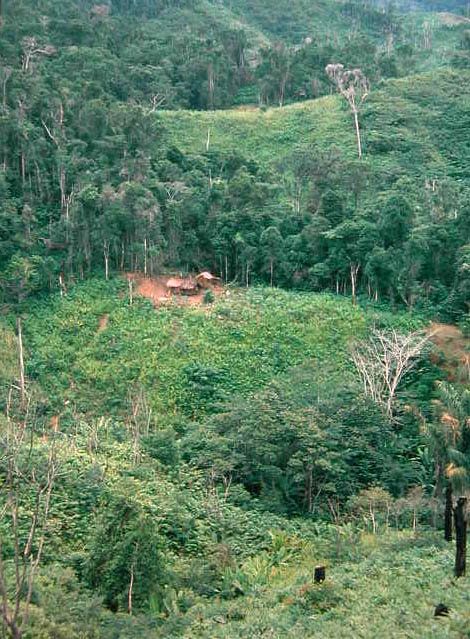
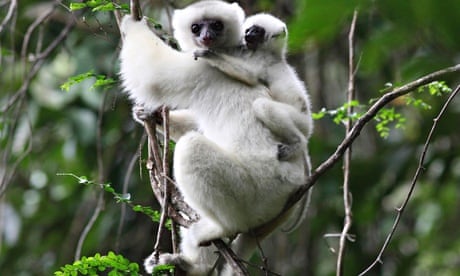
However, the persistent threat of illegal logging cast a dark shadow. Even within the park boundaries, evidence of human encroachment was visible. The sound of chainsaws, though distant, was a chilling reminder of the pressures these lemurs face. Sadly, I wasn't able to locate Zara during my brief visit, but I did observe a healthy group of Sifakas, including a young infant, offering a glimmer of hope. The success of Silky Sifaka conservation efforts Madagascar will depend on strengthening park protection and engaging local communities.
Marojejy National Park lemur tours
Responsible tour operators in Marojejy National Park are partnering with local guides to minimize impact. Before booking a tour to see lemurs in Madagascar, ensure that your operator has been ethically approved and is invested in the safety and well-being of the animals.
Sustainable Vanilla Farming: A Harmony Between Humans and Lemurs
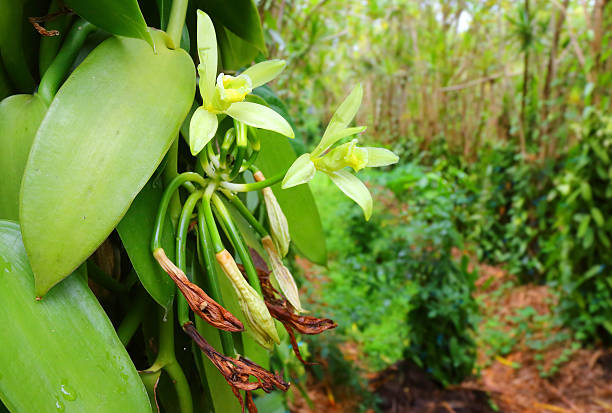
Leaving the mountains of Marojejy, I traveled to the Sambava region, the heart of Madagascar's vanilla production. Here, I visited the "Sahavoay" community-run vanilla plantation. What impressed me most was their commitment to shade-grown vanilla cultivation.
Unlike conventional methods that require clearing large swaths of forest, shade-grown vanilla preserves lemur habitat and prevents soil erosion. I had the opportunity to speak with Mr. Jean-Baptiste, a local farmer who has been practicing sustainable vanilla farming for over 20 years. "We understand that the forest is our life," he explained. "Without the trees, the soil washes away, and the vanilla doesn't grow. And without the lemurs to help pollinate, we get fewer beans. This eco-friendly way is better for everyone." Mr. Jean-Baptiste's words exemplify the crucial link between vanilla farming Madagascar sustainable and conservation.
Impact of Deforestation on the Bemarivo River
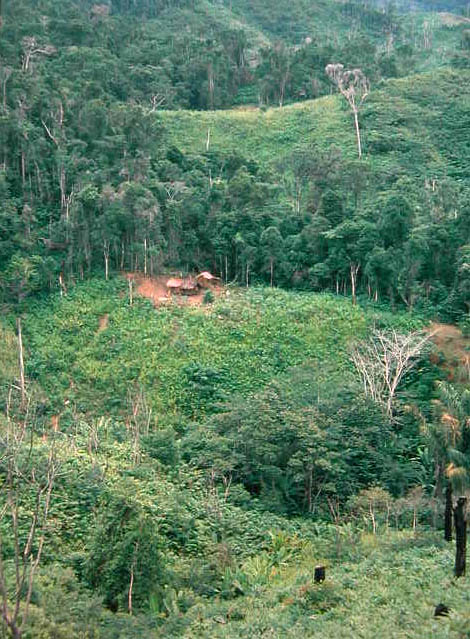
Sadly, even in regions embracing sustainability, challenges persist. Deforestation upstream, driven by "tavy" (slash-and-burn agriculture), is impacting the water quality of the Bemarivo River, which farmers rely on for irrigation. The increased sediment and pollution are not only affecting vanilla production but also leading to a rise in waterborne diseases in local communities.
Hira Gasy: A Celebration of Malagasy Culture
Back in Antananarivo, I sought out a traditional Hira Gasy performance at the Tranompokonolona Analakely theatre. Hira Gasy is more than just entertainment; it's a vibrant expression of Malagasy culture and history. The performers, adorned in colorful, symbolic costumes, engage in lively debates and storytelling, accompanied by the distinctive sounds of the "kabosy" (Malagasy guitar).
These performances serve as a form of social commentary, addressing contemporary issues and passing down Malagasy values from one generation to the next. Witnessing this cultural richness underscored the importance of preserving Madagascar's unique heritage, a heritage intrinsically linked to its natural environment and the lemurs that call it home. This is just one example of Malagasy culture and ecotourism.
Diving into Conservation: Coral Gardening in Nosy Be
My journey took me north to Nosy Be, a popular tourist destination known for its beautiful beaches and vibrant coral reefs. While tourism can bring economic benefits, it can also negatively impact fragile marine ecosystems. I joined the "Ocean Farmers" organization for a SCUBA dive at the "Japanese Garden" dive site to witness their efforts to restore damaged coral reefs through coral gardening techniques.
They are propagating branching Acropora and massive Porites corals, carefully nurturing them in underwater nurseries before transplanting them onto degraded reef areas. However, increased boat traffic and pollution continue to pose a threat to the overall health of the reefs, highlighting the need for sustainable tourism practices.
A Taste of Madagascar
No trip to Madagascar is complete without indulging in its unique cuisine. In Antananarivo, I made sure to visit "Chez Mariette" for a taste of authentic Romazava. The best versions use "anamalao" (parsley-like leaves) and "anantsonga" (Brèdes Morelles) for a truly unforgettable flavor. Traveling along Route Nationale 7, I sampled Koba Akondro from street vendors – a sticky and satisfying treat with the unmistakable aroma of roasted peanuts. And in Nosy Be, at "L'heure Bleue" restaurant, I savored vanilla-infused grilled lobster, the sweetness of the locally sourced vanilla beans perfectly complementing the fresh seafood. These culinary experiences offered a delicious glimpse into the rich diversity of Malagasy culture.
Madagascar's Contrasting Landscapes
Madagascar's diverse landscapes are breathtaking. From the humid rainforests of the Masoala Peninsula, home to the Red Ruffed Lemur, to the spiny forests of Ifaty, where Verreaux's Sifakas thrive in arid conditions, the island is a tapestry of unique ecosystems. The jagged limestone formations (Tsingy) of Ankarana National Park provide a dramatic backdrop for the Crowned Lemur. This incredible variety underscores the importance of protecting all of Madagascar's habitats.
The State of Lemur Conservation: Challenges and Hope
My return to Madagascar after a decade away has been both inspiring and disheartening. The challenges facing lemur conservation Madagascar are immense:
- Habitat Loss: Deforestation, primarily due to slash-and-burn agriculture ("tavy") and logging, remains the biggest threat.
- Poaching for Bushmeat: Lemurs are hunted for food, especially in areas where other protein sources are scarce.
- The Pet Trade: Although illegal, the demand for lemurs as pets continues to fuel the capture and trade of these animals.
How can tourism contribute or detract from conservation?
Tourism can be a double-edged sword. On one hand, it can generate revenue for local communities and provide incentives for conservation. On the other hand, unsustainable tourism practices can lead to habitat destruction, pollution, and disturbance of wildlife. To minimize your impact and support local communities:
- Choose eco-lodges that prioritize sustainability.
- Purchase souvenirs from local artisans, ensuring that your money directly benefits the community.
- Respect wildlife and their habitats. Maintain a safe distance from lemurs and avoid feeding them.
- Engage in ethical lemur tourism Madagascar
Success Stories: Community-Based Conservation
Despite the challenges, there are success stories. In Anjozorobe-Angavo, community-based conservation efforts have shown remarkable results. By empowering local communities to manage their natural resources sustainably, they have been able to protect lemur habitats and improve their livelihoods. The key lesson here is that local involvement is essential for successful conservation.
The Impact of Climate Change
Climate change is exacerbating the existing threats to lemur populations. Increased droughts and more frequent and intense cyclones are impacting lemur habitats and food sources. These changes are putting immense pressure on already vulnerable populations.
A Call to Action: The Future of Lemur Conservation
The future of lemur conservation in Madagascar hangs in the balance. We must act now to protect these incredible primates for future generations. I urge you to support organizations working on the ground to protect lemurs and their habitats. Consider booking a sustainable lemur-trekking tour with Bush Company Madagascar. They are committed to responsible tourism and supporting local communities. Please also consider donating to or volunteering with Madagascar Biodiversity Partnership and Lemur Conservation Foundation.

This image of Zara's offspring represents the hope for future generations of lemurs. Let us all work together to ensure that they have a future. We need to address deforestation impact on Madagascar lemurs urgently.