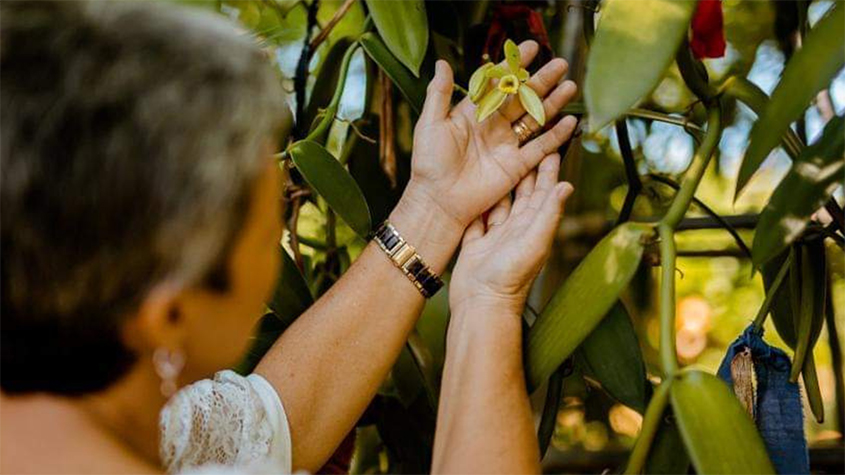
Madagascar: A Biodiversity Hotspot Where Culture...
Before I embarked on my journey to Madagascar, I held a romanticized view of this island nation – a land teeming with lemurs and baobabs, seemingly untouched by the modern world. While the lemurs and baobabs certainly delivered, my experience was far richer and more nuanced than I could have imagined. Madagascar is a land of unparalleled biodiversity, but it's also a place where ancient cultures thrive alongside modern challenges, and where responsible tourism plays a vital role in its future. From lemur trekking in lush rainforests to learning about sustainable vanilla farming, Madagascar captivated my senses and left me with a deep respect for its people and environment. This is a land where Madagascar sustainable travel isn't just a buzzword; it’s a necessity. Come join me as I recount my adventure!
Lemur Trekking in Andasibe-Mantadia National Park
My first stop was Andasibe-Mantadia National Park, a haven for lemurs, including the iconic Indri, the largest of all living lemurs. I joined a guided trek with Madagascar Adventure Tours, a fictional operator known for their commitment to sustainable tourism practices. They really do care for the lemur population and you get to learn all about lemur conservation Madagascar.
The trek was a symphony of sights and sounds. Towering trees formed a dense canopy, filtering sunlight onto the forest floor. Our guide, Fara, expertly navigated the trails, pointing out hidden chameleons and fascinating insects. Then, we heard it – the unmistakable, haunting call of the Indri. It sounds almost like a whale song, but it resonates through the trees in a truly unique way.
The Indri families are incredible. We observed their social behavior as they leaped effortlessly through the canopy, their black and white fur a striking contrast against the green foliage. Fara explained how these primates communicate and raise their young, sharing captivating stories about their lives. The trails vary in difficulty, so there's something for every fitness level. Some parts are steep, but the experience is more than worth it.
To minimize your environmental impact, remember to stick to marked paths, avoiding trampling vegetation. Never feed the animals, as this disrupts their natural foraging habits and can make them dependent on humans. Pack out everything you pack in and respect the silence of the forest.
Vanilla Plantation Tours in Sambava
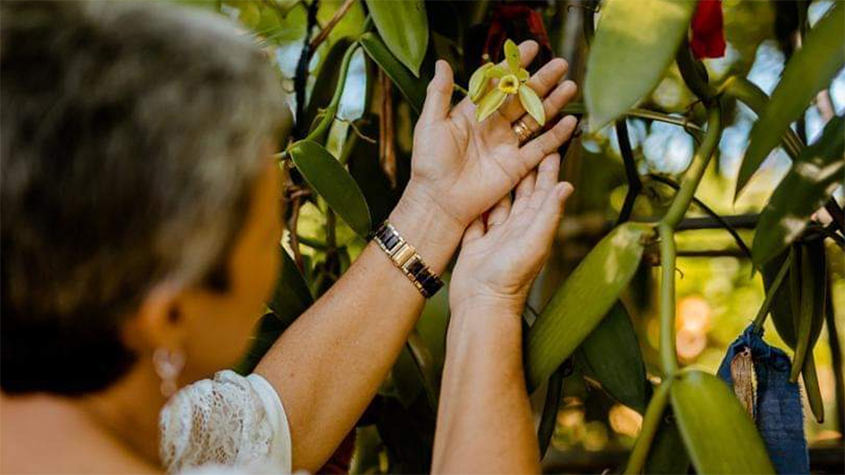
Next, I journeyed to Sambava, the "Vanilla Capital" of Madagascar. The scent of vanilla hangs heavy in the air. Here, I embarked on a tour of a vanilla plantation with SAVA Vanilla Cooperative Tours, a fictional organization that empowers local farmers through fair trade practices. This is a good chance to see first hand vanilla plantation tour Madagascar.
The process of vanilla production is surprisingly intricate. From the meticulous hand-pollination of the vanilla orchids to the months-long curing process, every step requires careful attention. I learned that each vanilla flower blooms for only one day and must be pollinated by hand within a few hours to produce a bean. The cured beans are then sorted, graded, and prepared for export.
Vanilla production is crucial to the local economy. It provides livelihoods for thousands of families in the SAVA region. By choosing to support cooperatives like SAVA Vanilla Cooperative Tours, travelers can contribute directly to the well-being of these communities. They give back a percentage of all profits, allowing the plantations to continue their important work.
Immerse Yourself in Hira Gasy
My travels took me near Antananarivo, where I had the privilege of witnessing a traditional Hira Gasy performance in a small village. Hira Gasy is a unique art form that combines music, dance, oratory, and vibrant costumes. This is an experience you do not want to miss while in Madagascar.
The performers were clad in colorful, traditional clothing, their faces painted with elaborate designs. The music, played on traditional instruments, was lively and infectious. The dancers moved with grace and energy, their movements telling a story. The orators, in turn, delivered powerful speeches in Malagasy, filled with proverbs and moral lessons.
The performance I witnessed told the story of a young couple navigating societal expectations and family traditions. The themes of love, respect, and community resonated deeply. Hira Gasy is more than just entertainment; it's a vital part of Malagasy culture, preserving history and traditions through storytelling. There is nothing quite like a Hira Gasy performance travel Madagascar.
A Taste of Madagascar: Romazava and Street Food in Antananarivo
No trip to Madagascar is complete without indulging in the local cuisine. In Antananarivo's bustling Analakely Market, I sought out Mama Sarah's Romazava Stall, a fictional vendor renowned for her authentic Romazava, the national dish of Madagascar.
Romazava is a hearty stew made with zebu beef (a type of cattle), greens, and ginger. Mama Sarah's version was flavorful and comforting, a true taste of Madagascar. The market itself is a sensory overload, filled with the aromas of spices, grilled meats, and fresh produce.
Other street food options abound, from koba akondro (a sweet peanut and banana cake) to mofo gasy (Malagasy bread). When trying street food, be sure to choose vendors with high turnover and fresh ingredients. It's also a good idea to drink bottled water and avoid ice. The best way to experience Malagasy cuisine travel guide is by simply diving right in!
Tsingy de Bemaraha: A Geological Wonder
A visit to the Tsingy de Bemaraha Strict Nature Reserve is an experience unlike any other. This UNESCO World Heritage Site is home to a unique landscape of jagged limestone formations, sculpted by millions of years of erosion.
Exploring the Tsingy is a challenging but rewarding experience. The sharp, pointy rocks require careful footing, and some sections require climbing and scrambling. The views, however, are breathtaking. The unique geological formations of Tsingy de Bemaraha are sure to amaze!
Conservation efforts are in place to protect this fragile ecosystem. It's crucial to follow your guide's instructions and avoid damaging the environment. Stick to marked trails, avoid touching or climbing on the formations, and pack out all your trash. The Tsingy de Bemaraha National Park tour is one of a kind!
Sustainable Stays: Review of 'Anja Community Reserve Lodge'
For a truly immersive and sustainable experience, I highly recommend staying at the fictional Anja Community Reserve Lodge (For inspiration, check out real-world eco-lodges like Mandrare River Camp [https://www.mandrare.com/ ]). This eco-lodge is deeply committed to sustainable practices and community involvement.
The lodge utilizes solar power for electricity, implements comprehensive waste management programs, and actively supports the local community through employment and education initiatives. The staff are friendly and knowledgeable, providing excellent service and creating a warm and welcoming atmosphere. There are not many places like the Anja Community Reserve Lodge Madagascar.
The lodge's commitment extends beyond environmental sustainability. It also prioritizes cultural preservation, showcasing traditional Malagasy crafts and cuisine. The quality of service, comfort, and overall experience at Anja Community Reserve Lodge are exceptional. It's a truly special place that embodies the principles of responsible tourism. This is a great place to stay for Madagascar eco-lodge travel!
Budget-Conscious and Responsible Travel Tips
Experiencing Madagascar responsibly doesn't have to break the bank. Here are some tips for traveling on a moderate budget:
- Transportation: Opt for local transportation options like taxi-brousse (bush taxis) and local buses, which are affordable and offer a unique cultural experience. Be prepared for long journeys and crowded conditions.
- Accommodation: Choose guesthouses and homestays over luxury hotels. These options are often cheaper and provide a more authentic experience. Look for accommodations that support local communities and prioritize sustainable practices. Try to stay at more affordable eco-lodges near Anja Community Reserve.
- Food: Eat at local restaurants and street food stalls, where you can sample delicious Malagasy cuisine at affordable prices.
- Support Local Businesses: Shop at local markets and buy handicrafts directly from artisans. This helps support local economies and ensures that your money stays within the community.
- Pack Light: Reduce your carbon footprint by packing light. This will also save you money on baggage fees.
- Conserve Water and Energy: Be mindful of your water and energy consumption. Take shorter showers, turn off lights when you leave the room, and avoid using air conditioning when possible.
Madagascar is a treasure trove of biodiversity and cultural richness, a place that has forever changed my perspective on travel. I urge you to visit this incredible island responsibly, supporting local communities, conserving its unique environment, and contributing to a sustainable future for Madagascar.
TikTok Video Script: Lemur Conservation
HOOK (0-1 second):
- Visual: Rapid close-up of a baby Sifaka lemur suddenly jumping onto the camera lens (POV shot).
SCENE (1-5 seconds):
- Visual: Lush, green rainforest in Andasibe, dappled sunlight. Slow-motion, high-speed camera shot of a family of Indri lemurs leaping through trees. Cinematic 4K quality, shot on RED camera. Golden hour lighting.
- Audio: Rainforest sounds.
TWIST (5-8 seconds):
- Visual: The lemur lands on a hand holding a sign that reads: "Protect Their Home." The hand rotates the sign to reveal the text "Donate to Lemur Conservation [Insert Link]".
- Audio: Inspiring, uplifting music begins.
Visual Notes: Transition between scenes should be seamless and captivating. Emphasis on visual clarity and emotional impact.