Madagascar: A Biodiversity Hotspot - Island Life...
Madagascar. Even the name conjures images of otherworldly landscapes and bizarre creatures. As a marine biologist turned travel blogger, I’ve long dreamt of exploring this island nation, a true biodiversity hotspot. Its isolation has fostered the evolution of species found nowhere else on Earth, making it a siren song for anyone fascinated by the natural world. My recent trip exceeded even my wildest expectations, taking me from the vibrant coral reefs of Nosy Be to the razor-sharp limestone formations of Tsingy de Bemaraha National Park, and beyond. This Madagascar travel guide will walk you through my adventure and hopefully inspire your trip.
Diving the Mitsio Archipelago: An Underwater Paradise
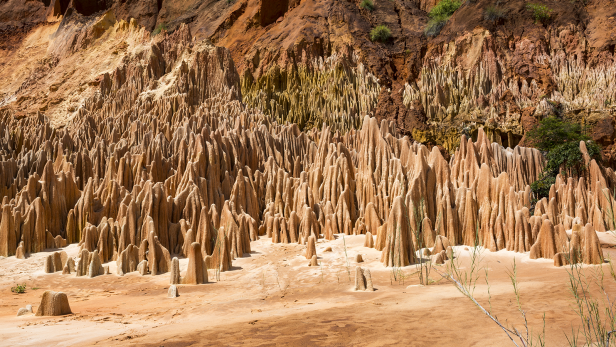
My journey began in Nosy Be, an island off Madagascar’s northwest coast, known for its beautiful beaches and world-class diving. I hopped on a boat to the Mitsio Archipelago, a collection of smaller islands boasting pristine waters and thriving coral reefs. Diving Nosy Be Mitsio Archipelago is a MUST.
The dive sites here are legendary. "Four Brothers" was a particular highlight, a series of underwater pinnacles teeming with marine life. The visibility was incredible, easily exceeding 30 meters. I was fortunate enough to encounter several majestic whale sharks, gracefully filtering plankton from the water, as well as manta rays gliding effortlessly through the current. These dives were truly unforgettable.
The coral reef health was generally good, with a healthy abundance of branching Acropora corals. However, I did notice some localized areas of coral bleaching, a stark reminder of the threats facing these fragile ecosystems. The Mitsio Conservation Area initiative is working to protect these reefs through sustainable tourism practices and community involvement, which is encouraging to see.
Pro Tip:
Consider traveling between May and December for the best diving conditions and the highest chance of spotting whale sharks.
Hiking Through the Grand Tsingy: A Limestone Maze
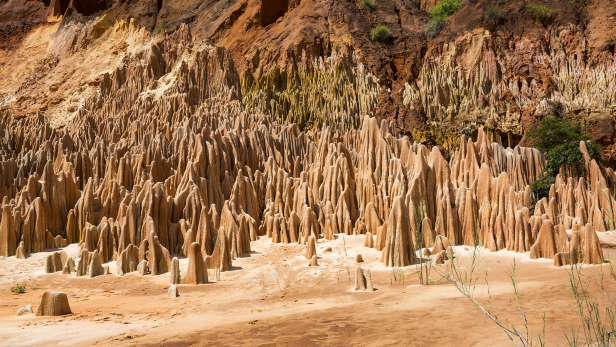
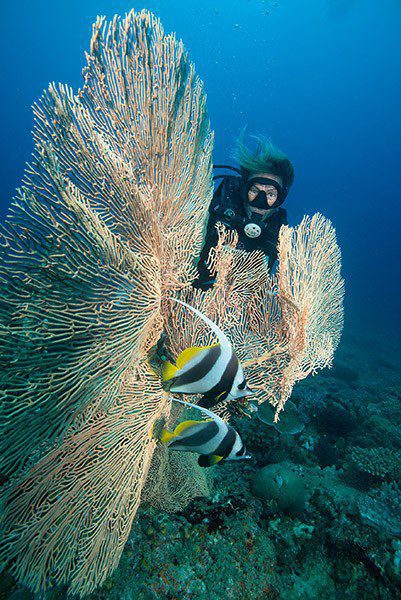
From the azure waters of Nosy Be, I ventured inland to Tsingy de Bemaraha National Park, a UNESCO World Heritage Site. The Tsingy de Bemaraha National Park is a geological wonderland, sculpted by millions of years of erosion. "Tsingy" means "where one cannot walk barefoot" in Malagasy, and it's an apt description.
The Tsingy de Bemaraha hike Grand Tsingy was an unforgettable experience. The landscape is dominated by razor-sharp limestone formations, creating a natural obstacle course. Every step required careful planning and a sense of adventure.
Despite the challenging terrain, the park is teeming with life. I was particularly fascinated by the unique plant life adapted to this harsh environment. The Pachypodium rosulatum, a succulent with a bulbous trunk, clung tenaciously to the rock faces. I also spotted Decken's Sifaka lemurs, gracefully leaping across the sharp limestone edges with seemingly effortless agility. It's truly amazing to witness.
What to wear hiking in Tsingy de Bemaraha? Sturdy hiking boots, long pants, and a long-sleeved shirt are essential for protecting yourself from the sharp rocks. Gloves are also recommended for gripping the rocks during climbs.
Is the Tsingy de Bemaraha dangerous? The Tsingy can be dangerous if you're not careful. It's crucial to hire a local guide who knows the terrain well and can help you navigate safely.
Question:
What is the best time to visit Tsingy de Bemaraha National Park?
The best time to visit is during the dry season (May to October) when the trails are more accessible.
Le Domaine de Lokobe: A Vanilla Bean Paradise
Back in Nosy Be, I visited Le Domaine de Lokobe, a vanilla plantation near Lokobe National Reserve, to learn about the process of cultivating and curing vanilla beans. A Le Domaine de Lokobe vanilla plantation tour is a fragrant experience.
The air was thick with the intoxicating aroma of vanilla during the curing process. I learned that it takes several months of careful hand-pollination, harvesting, and curing to produce the high-quality vanilla beans that Madagascar is famous for.
This plantation is more than just a business; it's actively supporting the surrounding community. They have cooperative programs in place to help farmers receive fair market value for their vanilla, ensuring a sustainable future for both the environment and the local people. It's a fantastic example of ethical tourism.
A Respectful Observation of Famadihana
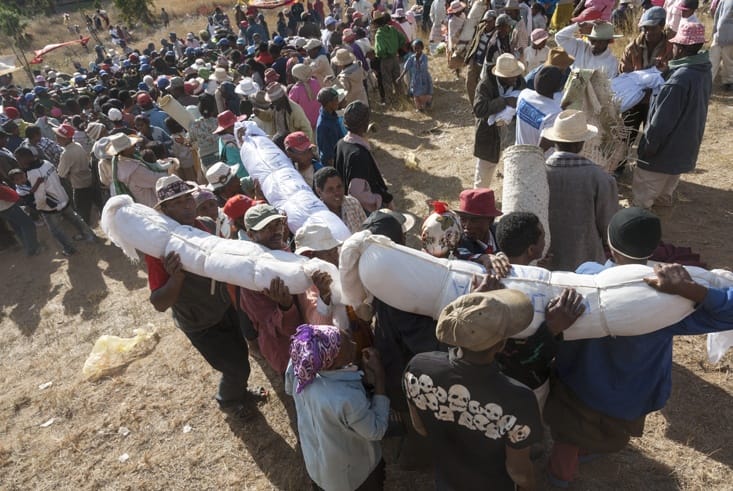
One of the most profound cultural experiences I had in Madagascar was witnessing a traditional Famadihana ceremony in the highlands. The Famadihana, or "turning of the bones," is a ceremony where families exhume the remains of their ancestors, rewrap them in fresh shrouds, and dance with them.
Madagascar Famadihana ceremony travel requires respect and sensitivity. It’s paramount to seek permission from the village elders before attending and to show the utmost respect to the local community. I made sure to seek permission first before even considering attending.
The ceremony was a vibrant celebration of life and remembrance. Music and dance played a central role, with lively traditional music filling the air. While I won't go into graphic details, the experience was incredibly moving, offering a glimpse into the deep connection between the Malagasy people and their ancestors. Remember how does Famadihana honor ancestors? By showing love and respect through the celebration.
Electrifying Rhythms at the Donia Music Festival
My trip coincided with the Donia Music Festival on Nosy Be, a vibrant celebration of Malagasy music and culture. The Donia Music Festival Nosy Be is a not-to-miss experience.
I was blown away by the electrifying performances of Malagasy artists like AmbondronA and Jaojoby. The atmosphere was electric, with a huge, energetic crowd dancing to the infectious rhythms of Salegy music and other traditional genres fused with modern beats.
The festival provides a significant boost to local businesses and hotels, contributing to the island's economy. It’s a fantastic example of how tourism can positively impact a community.
A Taste of Madagascar: Culinary Delights
Madagascar's cuisine is as diverse and unique as its landscapes. Here are a few dishes I savored during my journey:
- Romazava at La Varangue (Antananarivo): This traditional beef stew was bursting with flavor, thanks to the brèdes mafana (a local green that creates a tingling sensation) and ginger spices.
- Freshly grilled red snapper at Le Zahir Lodge (Nosy Be): Simple yet delicious, the smoky flavor from the charcoal grill and the touch of lime and sea salt made this a perfect beachside meal.
- Koba akondro from a street vendor near the Ambatoloaka market: This dense, sticky peanut and rice cake was surprisingly addictive, with a delightful sweetness from the caramelized banana.
What is Koba Akondro made of? Rice flour, peanuts, bananas, and sugar.
Sustainable Tourism: Protecting Paradise
Madagascar faces numerous environmental challenges, including deforestation and habitat loss. Supporting sustainable tourism Madagascar is crucial for protecting the island's unique biodiversity.
One example of responsible tourism is Anjiamarango Beach Resort, an eco-lodge on Nosy Be. They focus on responsible travel and support local lemur conservation efforts through reforestation projects. They also use solar power and locally sourced materials to minimize their environmental impact. A Anjiamarango Beach Resort eco friendly review would emphasize the resort's excellent efforts.
What are the best things to do in Nosy Be? Besides the diving, you can explore Lokobe National Reserve, visit sacred waterfalls, and relax on the stunning beaches.
A Chameleon Encounter in Lokobe National Reserve
While exploring Lokobe National Reserve, I had a magical encounter with a panther chameleon. Its vivid colors shifted and changed as it moved across the foliage, a testament to the incredible biodiversity of Madagascar. This experience underscored the importance of habitat preservation for these remarkable creatures.
TikTok Video Concept: Madagascar - Dive to Hike - Island Hopping Done Right!
Here's a TikTok video concept to capture the essence of the trip:
- HOOK (0-1 second): Isabella's POV, plunging vertically into crystal-clear turquoise water, a burst of bubbles framing her face, filmed with GoPro.
- SCENE (1-5 seconds): Rapid cuts: Isabella removes scuba gear (slow-motion, hair flick), montage of Isabella hiking through the Tsingy (hyperlapse with smooth zoom), encountering Decken’s Sifaka lemurs leaping across the razor edges (shot with a telephoto lens, slow-motion), panning across the jagged landscape (drone footage). Upbeat, hyperactive Malagasy electronic music soundtrack. Dramatic golden hour lighting.
- TWIST (5-7 seconds): Suddenly, Isabella is twirling in a shimmering silk dress as multicolored spotlights flash across the massive crowd at the Donia Music Festival stage at night.
Final Thoughts
Madagascar is a destination that will stay with me forever. From the vibrant underwater world of Nosy Be to the breathtaking landscapes of Tsingy de Bemaraha, this island nation offers an unparalleled adventure for nature lovers and adventure travelers. I encourage you to visit Madagascar, but please do so responsibly, supporting sustainable tourism initiatives that help protect its unique biodiversity for generations to come. Ready to book your trip? Visit vistalocation.com to plan your adventure today!
How can I travel responsibly in Madagascar? Choose eco-friendly accommodations, support local businesses, respect local customs, and minimize your environmental impact.