Luxury Mountain Adventures: Exploring Unique Cha...
For the discerning traveler, the allure of the mountains transcends mere recreation. It's a siren call to test oneself against nature's grandeur, to delve into the rich tapestry of human history etched into the landscape, and to experience the raw, untamed beauty of extreme environments. At VistaLocation.com, we curate luxury mountain adventures that offer not just stunning views and thrilling activities, but also a deeper connection to the planet and its stories. Join us as we explore some of the most challenging and rewarding mountain experiences on Earth, from heli-skiing in the Canadian Rockies to trekking the historical Kokoda Track in Papua New Guinea. Prepare to be inspired, challenged, and transformed by the power of the mountains.
Heli-Skiing in the Monashee Mountains, British Columbia, Canada
The Monashee Mountains, a pristine wilderness in British Columbia, Canada, offer an unparalleled heli-skiing experience. Imagine soaring above endless fields of untouched powder, ready to carve your own path down slopes previously only dreamed of. This extreme mountain travel comes with its own set of logistical challenges, ethical considerations, and preparation requirements that demand respect and careful planning. Accessing these remote areas relies entirely on helicopter transport, a complex operation requiring meticulous coordination and adherence to stringent safety protocols.
One of the primary logistical hurdles is securing reliable helicopter services. Companies like CMH Heli-Skiing specialize in providing safe and efficient transport to designated drop-off zones. However, weather conditions can be unpredictable, leading to delays or even cancellations. Furthermore, maintaining a fleet of helicopters in peak condition requires significant resources and expertise. Beyond transportation, avalanche safety is paramount. Participants are required to hold at least a Canadian Avalanche Association (CAA) Level 1 certification, demonstrating a fundamental understanding of avalanche terrain and rescue techniques. This certification involves classroom instruction, field exercises, and practical experience in assessing snowpack stability and using avalanche safety equipment, including transceivers, probes, and shovels. Backcountry survival skills are equally crucial. A sudden change in weather or an unexpected injury can quickly turn a dream day into a survival situation. Knowing how to build a snow shelter, start a fire, navigate using a map and compass, and administer basic first aid can be the difference between a minor inconvenience and a serious emergency.
Ethical considerations are also at the forefront of responsible heli-skiing operations. Wildlife disturbance is a significant concern. The roar of helicopters can disrupt animal behavior, particularly during breeding season or periods of hibernation. To minimize this impact, operators adhere to strict flight paths and avoid sensitive areas. Environmental impact is another critical factor. Fuel consumption by helicopters contributes to greenhouse gas emissions, and improper waste management can pollute pristine environments. Responsible operators prioritize fuel efficiency, implement strict waste disposal policies, and support conservation efforts to offset their environmental footprint. It's part of ensuring sustainable mountain tourism.
Preparing for a heli-skiing adventure demands a high level of physical fitness. The activity requires sustained exertion at high altitudes and in deep powder snow. VO2 max testing is recommended to assess cardiovascular fitness and determine appropriate training regimens. Focus on building strength, endurance, and balance through activities such as running, cycling, and weightlifting. Specialized ski equipment is essential for maximizing performance and safety. Powder skis, with their wide platforms and specialized bindings, provide the necessary floatation in deep snow. An avalanche airbag can significantly increase your chances of survival in the event of an avalanche. Cold-weather gear is crucial for staying warm and dry in extreme conditions. Layering is key, allowing you to adjust your clothing to changing temperatures and activity levels. Invest in high-quality base layers, insulated mid-layers, and a waterproof, windproof outer shell. Don't forget essential accessories such as gloves, hats, and goggles.
If heli-skiing is unavailable due to weather conditions, a viable alternative is cat-skiing with Big Red Cats near Rossland, BC. Cat-skiing offers a similar powder experience, but instead of a helicopter, you're transported to the slopes in a snowcat. This method has a smaller environmental footprint and can operate in conditions that would ground helicopters. You still get the thrill of untouched powder and challenging terrain, but with a slightly lower carbon footprint.
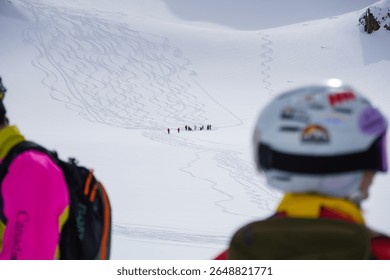
Alt text: A helicopter drops skiers onto the pristine, untouched powder of the Monashee Mountains, highlighting the logistical challenges of accessing remote heli-skiing locations.
Mountaineering Expedition on Aconcagua, Argentina (Polish Glacier Traverse)
Aconcagua, the highest peak in the Americas, presents a formidable challenge for experienced mountaineers. The Polish Glacier Traverse route offers a demanding but rewarding ascent, testing both physical and mental resilience. Embarking on a mountaineering expedition to Aconcagua requires meticulous planning, rigorous training, and a deep respect for the mountain's unpredictable nature. Obtaining permits months in advance is a crucial first step. The Argentinian government imposes strict regulations to protect the mountain's fragile ecosystem and ensure the safety of climbers. You must book with an approved operator who will handle the permit process.
High-altitude acclimatization is essential for a successful and safe ascent. The human body struggles to adapt to the reduced oxygen levels at high altitudes, leading to altitude sickness, a potentially life-threatening condition. Spending several days at progressively higher elevations allows the body to produce more red blood cells, improving oxygen transport. Some climbers utilize altitude tents pre-trip to simulate high-altitude conditions and accelerate the acclimatization process. These tents reduce the oxygen level to simulate the altitude. However, spending time at lower altitudes is the most reliable method. Gear requirements are extensive and specialized. Double boots provide insulation and support in extreme cold. Ice axes are essential for traversing glaciers and steep snow slopes. Crampons, attached to your boots, provide traction on ice and hard snow. Other crucial equipment includes a helmet, harness, ropes, and avalanche safety gear.
Prior mountaineering experience is a prerequisite for attempting the Polish Glacier Traverse. Climbers should possess solid ice climbing skills, including proficiency in using ice axes and crampons. An ice climbing certification is often required by guiding companies. High-altitude medical training is also highly recommended. Knowing how to recognize and treat altitude sickness, hypothermia, and other medical emergencies can be life-saving. It’s part of ensuring luxury mountain adventures are also as safe as possible.
The Polish Glacier route holds significant historical importance. The first ascent was achieved by a Polish team in 1934, a remarkable feat of mountaineering prowess. Their pioneering spirit and determination continue to inspire climbers today. Understanding the history of the route adds depth and meaning to the experience. The trail is named in their honor.
Responsible tourism practices are paramount in preserving the beauty and fragility of Aconcagua. Packing out all waste, including human waste, is essential to prevent pollution and protect the mountain's water sources. Respecting the mountain's fragility means staying on established trails, avoiding disturbance of vegetation, and minimizing your impact on the environment. Never leave anything behind.
If summit conditions are too dangerous, a worthwhile alternative is a multi-day trekking expedition to Plaza Francia base camp. This trek offers stunning views of Aconcagua's south face, a towering wall of rock and ice. Guided tours with companies like Grajales Expeditions provide expert guidance and support, ensuring a safe and enjoyable experience. You'll still experience the grandeur of the Andes and challenge yourself physically, but without the extreme risks associated with summiting. This alternative also highlights the importance of authentic mountain experiences, since it provides a deep understanding of the environment, without necessarily placing the hiker at immense personal risk.

Alt text: A mountaineer ascends a steep ice wall on the Polish Glacier of Aconcagua, highlighting the prior mountaineering experience and ice climbing certification required for this challenging ascent.
Canyoning Adventure in the Grimsel Canyon, Swiss Alps
The Grimsel Canyon, nestled in the heart of the Swiss Alps, provides an adrenaline-pumping canyoning adventure. This exhilarating activity involves navigating a narrow canyon by rappelling down waterfalls, swimming through crystal-clear pools, and scrambling over rocks. Canyoning in the Grimsel Canyon demands technical expertise, physical fitness, and a deep respect for the power of nature.
The technical aspects of canyoning are demanding. Rope work is essential for safely descending waterfalls and navigating steep sections of the canyon. Participants must possess rappelling skills, including proficiency in setting up anchors, managing ropes, and controlling their descent. Swiftwater rescue certification is highly recommended, as canyoning involves navigating moving water. Knowing how to rescue yourself or others in the event of a fall or entanglement is crucial. Specialized gear is necessary for protecting yourself from the cold water and rough terrain. A wetsuit provides thermal insulation, while a helmet protects your head from falling rocks. A harness and ropes are essential for rappelling and other technical maneuvers.
Ethical considerations are paramount in preserving the Grimsel Canyon's delicate ecosystem. Avoiding pollution is crucial. Never litter or discard waste in the canyon. Pack out everything you bring in. Respecting wildlife means observing animals from a distance and avoiding disturbance of their habitat. Be mindful of your noise level and avoid trampling vegetation. You’re acting responsibly when participating in sustainable mountain tourism.
Physical and mental preparation are essential for a safe and enjoyable canyoning adventure. Canyoning requires a good level of fitness, including strength, endurance, and agility. Training should focus on building strength in your arms, legs, and core. Endurance training, such as running or swimming, is also important. Mental preparation involves overcoming fear and developing confidence in your abilities. Visualizing the challenges ahead and practicing relaxation techniques can help you stay calm and focused in stressful situations.
If canyoning is impossible due to high water levels or other unforeseen circumstances, a great alternative is a guided via ferrata climb in the nearby Bernese Oberland. Via ferratas are protected climbing routes that use steel cables, ladders, and bridges to allow climbers to ascend steep rock faces. This provides a similar thrill and adrenaline rush to canyoning, but with added safety measures. You're still testing your limits and experiencing the beauty of the Swiss Alps, but in a more controlled environment.

Alt text: A GoPro POV shot of someone leaping off a waterfall into a crystal-clear pool in the Grimsel Canyon, capturing the joy and adrenaline rush of this extreme adventure.
The Kokoda Track, Papua New Guinea (WWII History)
The Kokoda Track in Papua New Guinea is more than just a hiking trail; it's a historical pilgrimage. This rugged and challenging track was the site of a pivotal battle during World War II, where Australian and Papuan soldiers fought against Japanese forces in a brutal campaign. Trekking the Kokoda Track is a deeply moving experience that combines physical endurance with historical reflection. The authentic mountain experiences offered here are truly once-in-a-lifetime.
The logistical challenges of the Kokoda Track are significant. Navigating dense jungle terrain requires resilience and determination. The humidity is oppressive, and the trails are often steep and muddy. Obtaining necessary permits from local communities is essential. The Kokoda Track crosses traditional lands, and respecting the customs and rights of the local Papuan people is crucial. You're a guest on their land.
Cultural sensitivity is paramount. The Papuan people have a rich and unique culture, and it's important to be respectful of their traditions and customs. Learn a few basic phrases in Tok Pisin, the local language. Ask permission before taking photographs. Support local businesses and communities by purchasing goods and services from them.
Preparation for the Kokoda Track demands rigorous physical endurance training. Multi-day hiking with heavy packs is essential. Focus on building strength, endurance, and cardiovascular fitness. Medical precautions are also crucial. Malaria prophylaxis is necessary, as the Kokoda Track is located in a malaria-prone area. Vaccinations are also recommended. Consult with your doctor to determine the appropriate vaccinations for your trip.
Instead of focusing on luxury options, the Kokoda Track experience is best approached by emphasizing the importance of hiring local porters. This not only supports the local economy but also ensures responsible tourism. Local porters possess invaluable knowledge of the terrain, weather patterns, and local customs. They can also provide essential support and assistance during the trek. By hiring local porters, you're directly contributing to the economic well-being of the Papuan communities.
The Inca Trail to Machu Picchu, Peru (Classic Route with Luxury Alternative)
The Inca Trail, a legendary path winding through the Peruvian Andes, leads to the iconic citadel of Machu Picchu. This classic hike is steeped in history and offers breathtaking views of mountains, cloud forests, and Inca ruins. Trekking the Inca Trail is a journey through time, connecting you to the ingenuity and artistry of the Inca civilization.
The logistical challenges of the Inca Trail are considerable. Obtaining permits months in advance is essential, as the number of trekkers allowed on the trail each day is strictly limited. Permits often sell out months in advance, so plan accordingly. Altitude sickness is another significant concern. The Inca Trail reaches elevations of over 13,000 feet, and acclimatization is crucial. Spend several days in Cusco before starting the trek to allow your body to adjust to the altitude.
If Inca Trail permits are unavailable, a luxury alternative is the Lares Trek with Mountain Lodges of Peru. This trek offers a more comfortable and less crowded experience, including luxury accommodations and gourmet meals, while still reaching Machu Picchu. The Lares Trek takes you through remote Andean villages, offering a glimpse into the traditional way of life of the Quechua people. You'll experience the beauty of the Andes in comfort and style.
Respecting Inca ruins and following Leave No Trace principles are essential for preserving the Inca Trail and Machu Picchu for future generations. Stay on designated trails, avoid touching or climbing on the ruins, and pack out all waste. Be mindful of the environment and minimize your impact on the landscape. Take only pictures, leave only footprints. This is a primary tenet of sustainable mountain tourism.
Tiger Leaping Gorge, Yunnan, China (Ancient Trade Route)
Tiger Leaping Gorge, located in Yunnan Province, China, is a dramatic canyon carved by the Jinsha River. This gorge has historically served as an ancient trade route and offers challenging terrain. Hiking through Tiger Leaping Gorge is an amazing experience.
Logistical considerations include transportation to the gorge, which is accessible by bus from nearby cities. Accommodation options along the trail range from basic guesthouses to more comfortable lodges. Navigation is relatively straightforward, as the trails are well-marked. However, the terrain can be steep and challenging in places. The extreme mountain travel here is not for the faint of heart.
Respecting local Naxi culture is essential. The Naxi people are an ethnic minority group with a rich and unique culture. Learn a few basic phrases in Naxi. Ask permission before taking photographs. Support local businesses and communities by purchasing goods and services from them.
Preparation for Tiger Leaping Gorge should focus on physical fitness and comfortable hiking shoes. The trail can be strenuous, so it's important to be in good shape. Wear sturdy hiking shoes with good ankle support. Bring plenty of water and snacks. Be prepared for changes in weather.
Zhangye Danxia Landform, China (Rainbow Mountains)
The Zhangye Danxia Landform, also known as the Rainbow Mountains, is a geological wonder in Gansu Province, China. These mountains are renowned for their vibrant colors, created by layers of sedimentary rock deposited over millions of years. Visiting the Zhangye Danxia Landform is a feast for the eyes and a photographer's dream.
Practical information includes transportation options, which include buses and taxis from nearby cities. The best times to visit are sunrise and sunset, when the light is most dramatic and the colors are most vibrant. Photographic tips include using a polarizing filter to reduce glare and enhance the colors. A wide-angle lens is ideal for capturing the vastness of the landscape.
Ethical considerations are paramount in protecting these delicate geological formations. Responsible tourism practices include staying on designated paths and avoiding touching or climbing on the mountains. The mountains are fragile, and any disturbance can damage their delicate surfaces. Optimal camera settings include using a low ISO to minimize noise and a small aperture to maximize depth of field.
Death Valley National Park, USA (Extreme Heat and Desert Mountain Ranges)
Death Valley National Park, located in California, is a land of extremes. It's the hottest, driest, and lowest national park in the United States. Despite its harsh conditions, Death Valley offers stunning desert landscapes, unique geological formations, and surprisingly diverse wildlife. Visiting Death Valley is an unforgettable experience, but requires careful planning and preparation.
Logistical challenges include water management. Carrying ample supplies of water is essential, as dehydration can be a serious threat in the extreme heat. Heatstroke prevention is also crucial. Avoid strenuous activity during the hottest part of the day. Wear light-colored clothing, a hat, and sunglasses. Vehicle maintenance is important, as breakdowns can be dangerous in the remote areas of the park.
Safety tips for hiking in extreme heat include hiking early in the morning or late in the evening, when temperatures are cooler. Carry a map and compass, and let someone know your plans. Be aware of the signs of heatstroke and heat exhaustion, and seek medical attention immediately if you experience any symptoms. Photography locations include Zabriskie Point, Dante's View and Artist's Palette. Optimal times for photography are sunrise and sunset, when the light is soft and golden.
Summer visitation should be approached with extreme caution. Temperatures can soar to over 120 degrees Fahrenheit, making hiking and other outdoor activities dangerous. It's best to visit Death Valley during the off-season, from late fall to early spring, when temperatures are more moderate.
Torres del Paine, Chile (Off-Season Winter Photography)
Torres del Paine National Park in Chile is a world-renowned destination for its stunning mountain scenery, including towering granite peaks, turquoise lakes, and vast glaciers. While most visitors flock to Torres del Paine during the summer months, the park offers unique and rewarding experiences during the off-season winter months.
The challenges of winter travel include snow and ice conditions, which can make hiking more difficult. Limited access to certain areas of the park is also a factor. The potential for extreme weather, including strong winds and heavy snowfall, is something else to be considered. Appropriate gear is essential. Snowshoes or crampons are necessary for traction on snow and ice. Warm clothing, including layers of insulation, is crucial for staying comfortable in the cold.
Photographic tips for capturing the dramatic winter landscapes include using a tripod to stabilize your camera in low light. Experiment with long exposures to capture the movement of clouds and water. Take advantage of the unique light and snow-covered peaks to create stunning images.
Responsible tourism practices are crucial for preserving this pristine environment. Stay on designated trails, avoid disturbing wildlife, and pack out all waste. Be mindful of the environment and minimize your impact on the landscape.
Exploring these destinations requires a commitment to ethical and responsible travel. By researching and supporting local, indigenous-owned businesses and guides, we can contribute to the economic well-being of these communities and ensure that future generations can enjoy the beauty and wonder of these incredible places.
From the challenges of remote access to the ethical considerations of environmental impact, luxury mountain adventures demand respect, preparation, and a commitment to sustainability. By embracing these principles, we can experience the transformative power of the mountains while preserving their beauty for generations to come. Plan your next great adventure with VistaLocation.com and Leave a Positive Trace.