Luang Prabang: Whispers of the Past, Echoes of...
My dear readers, it’s Eleanor Ainsworth here, recently retired history professor and now, a wanderer with a thirst for the stories etched in the stones and smiles of our world. My latest adventure has led me to Luang Prabang, Laos – a place I had long dreamt of visiting. And let me tell you, it didn’t disappoint.
My arrival was at dusk, a sensory symphony that immediately cast its spell. The air, thick with the sweet perfume of frangipani blossoms, mingled with the earthy scent of woodsmoke from distant cooking fires. Sisavangvong Road, the main thoroughfare, glowed with the warm, golden light of street lamps, illuminating the elegant French colonial architecture. And then, faint but unmistakable, came the rhythmic chanting from a nearby temple, a promise of the spiritual heart that beats within this ancient town. It was, in a word, magical.
Tak Bat: An Offering of the Soul
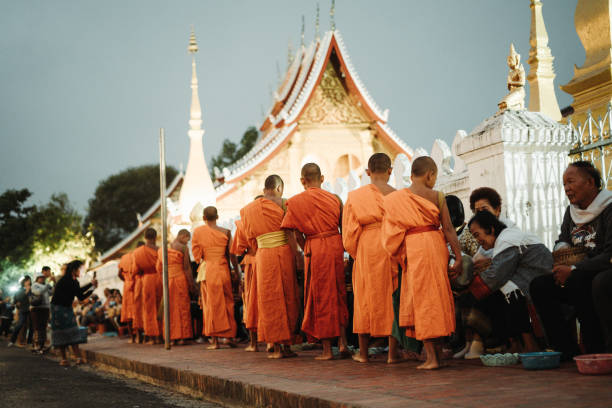
The next morning, I rose before dawn for Tak Bat, the daily alms-giving ceremony. The air was chillingly crisp, a stark contrast to the tropical humidity I’d experienced the evening before. I found a quiet spot along the street, removing my shoes as a sign of respect. The hushed reverence of the kneeling locals was palpable, a collective anticipation hanging in the air.
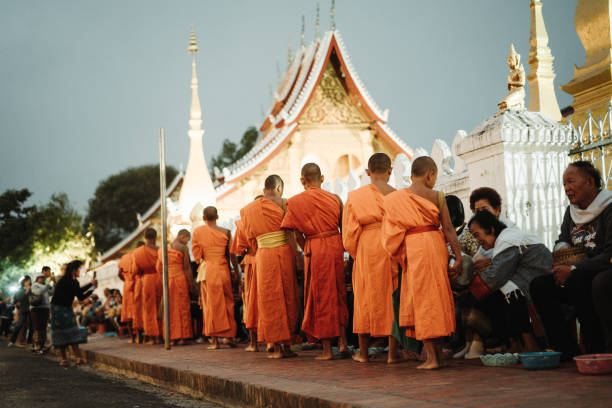
Then, they appeared. A silent procession of monks, their saffron robes a vibrant splash of color against the pre-dawn mist that clung to the temple spires. One by one, the locals offered small portions of sticky rice, a gesture of profound faith and community connection. It was essential to maintain silence, offering the rice with a humble and grateful heart. This wasn’t a photo opportunity, but a deeply spiritual exchange. To witness this act of selfless giving, the monks providing spiritual guidance, the people providing sustenance, was truly humbling. It was a powerful reminder of the interconnectedness of life and the importance of offering what we can, however small.
Tamarind Restaurant: A Culinary Journey
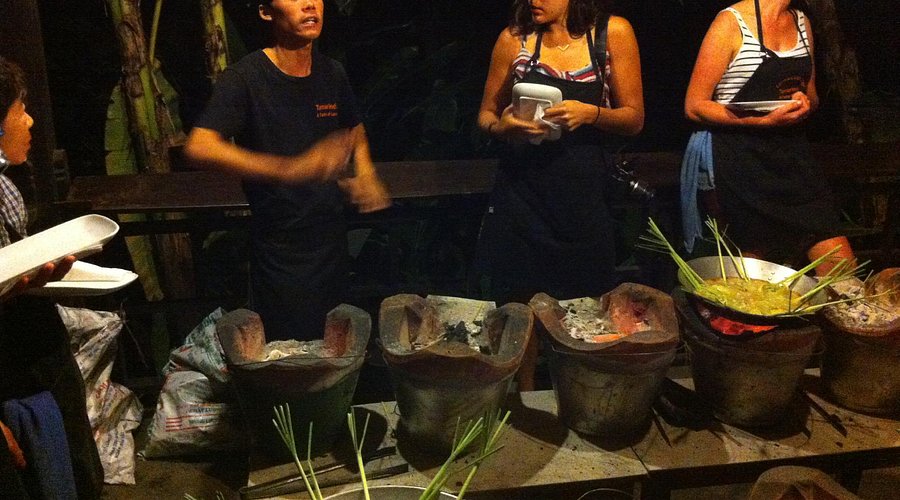
Later that day, I embarked on a different kind of journey – a Lao cooking class at Tamarind Restaurant. I’ve always believed that understanding a culture is best done through its food, and this experience confirmed that belief. The ingredients were laid out before us, a vibrant tapestry of colours and aromas: bright green galangal, fragrant lemongrass stalks, glossy kaffir lime leaves. We were to learn to prepare two iconic Lao dishes: Mok Pa (steamed fish in banana leaves) and Laap (minced meat salad).
The chef patiently guided us through each step, from pounding spices in a stone mortar to wrapping the fish in banana leaves with practiced ease. The secret to a perfect Laap, I learned, lies in the precise balance of flavors – spicy, sour, salty, and savory. Wrapping the Mok Pa in banana leaves not only imparts a subtle, earthy flavor, but also seals in the moisture, ensuring a perfectly tender fish. More than just learning recipes, the class emphasized the cultural importance of sharing these dishes with family and friends, a cornerstone of Lao social life. Food is, after all, love made edible.
Unveiling Lao Heritage: The Traditional Arts and Ethnology Centre
As a history professor, I was naturally drawn to the Traditional Arts and Ethnology Centre (TAEC). It's a treasure trove of information about the diverse ethnic groups of Laos and their unique cultural practices. I was particularly captivated by the intricate Hmong textiles, showcasing ancient embroidery techniques passed down through generations. The skill and artistry involved in creating these textiles were simply breathtaking. The exhibit on Khmu bamboo weaving traditions was equally fascinating, revealing the ingenuity and resourcefulness of these communities. TAEC beautifully illustrates the incredible diversity within Laos, a point often overlooked. It's vital to support institutions like TAEC that work tirelessly to preserve these traditions in the face of modernization. Learn more and support their work at: www.taeclaos.org
Mekong River Sunset: A Serene Spectacle
A sunset cruise on the Mekong River offered a different perspective, a chance to reflect on the beauty and serenity of this life-giving waterway. The gentle lapping of water against the longtail boat, the calls of exotic birds settling in for the night, and the distant melodies of Lao music drifting from the shore created an atmosphere of perfect tranquility. As the sun began to dip below the horizon, the sky exploded in a riot of colors – fiery oranges, deep purples, and soft pinks, all reflected on the tranquil water. The Mekong is more than just a river; it's the lifeblood of Laos, providing sustenance, transportation, and a deep spiritual connection for its people.
A Symphony of Flavors: Lao Cuisine
My culinary explorations extended beyond the cooking class. I made it a point to sample as much local cuisine as possible.
- Khao Soi at Mrs. Kham's: One evening, I stumbled upon a small stall near the night market, run by a woman named Mrs. Kham, serving the most incredible Khao Soi. This Lao version of Khao Soi is a rich, savory soup with wide rice noodles, fermented bean paste, and slow-cooked pork. The depth of flavor was astounding – a testament to the simple, fresh ingredients and Mrs. Kham's culinary expertise.
- Or Lam at Dyen Sabai: A visit to Dyen Sabai Restaurant introduced me to Or Lam, a vegetable stew that originated in Luang Prabang. The combination of eggplant, green beans, mushrooms, and even buffalo skin (which adds a unique texture) created an earthy, comforting taste that was both hearty and satisfying.
- Lao Coffee at Saffron Coffee: No trip to Laos is complete without trying Lao coffee. I enjoyed a cup of strong, aromatic Arabica coffee from the Bolaven Plateau at Saffron Coffee, a local café overlooking the Mekong River. The traditional brewing method, using a phin filter, added to the authentic experience.
Landscapes that Inspire: Kuang Si Falls, Mount Phousi, and the Rice Paddies
The natural beauty surrounding Luang Prabang is as captivating as its cultural heritage.
- Kuang Si Falls: The tiered waterfalls cascading down limestone cliffs at Kuang Si Falls are simply breathtaking. The water's unique turquoise color, a result of its high mineral content, is mesmerizing. The surrounding lush jungle teems with exotic flora and fauna. I was also impressed by the sustainable tourism practices in place, such as the bear rescue center and the well-maintained trails.
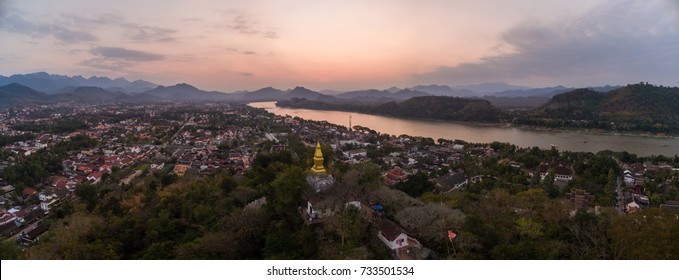
- Mount Phousi: Climbing Mount Phousi at sunrise was well worth the effort. The 360-degree panorama of the city and the Mekong River below was stunning. Watching the golden light illuminate the temples and rooftops was a truly magical experience. This sacred hill, once overlooking the ancient city, holds a significant place in Luang Prabang's history.
- Rice Paddies: A short drive outside the city reveals a landscape of vibrant green rice paddies. Witnessing the different stages of rice cultivation, from the young shoots to the golden stalks ready for harvest, was a reminder of the importance of agriculture in Lao culture. Seeing farmers working in the fields, their conical hats bobbing in the distance, was a picturesque scene that captured the essence of rural Laos.
A Final Reflection: The Essence of Luang Prabang
My journey in Luang Prabang has been a deeply enriching experience, a testament to the power of cultural immersion. It’s a place where the whispers of the past echo in the present, where ancient traditions coexist with a burgeoning future. It is crucial to approach this beautiful city with respect and a genuine desire to learn. Embrace cultural sensitivity, practice responsible travel, and support local communities. Consider organizations like Fair Trek (research online for a reputable organization) that promote sustainable tourism and empower local communities. By doing so, we can help preserve the magic of Luang Prabang for generations to come. I encourage you, dear readers, to consider Luang Prabang for your next adventure. It’s a journey that will nourish your soul and expand your understanding of the world.