Luang Prabang Through a Lens of Ethics: A Wildli...
As a wildlife photographer based in Thailand for the past five years, I’ve always been drawn to destinations where I can capture the beauty of nature and culture responsibly. When I decided to visit Luang Prabang, Laos, during Boun Pi Mai Lao (Lao New Year) in April, my goal was twofold: to document the vibrant cultural celebrations and to assess the impact of tourism on local communities and, in particular, the elephants at Tad Sae Waterfall. This journey became a profound exploration of ethical tourism Luang Prabang, and I’m eager to share my experiences and insights with you.
Arrival and Initial Impressions
The flight from Bangkok to Luang Prabang International Airport (LPQ) was smooth, and the visa-on-arrival process was surprisingly efficient. Stepping out of the airport, I was immediately struck by the charming French colonial architecture and the tranquil presence of the Mekong River. The city felt different – calmer, more deliberate – than the bustling Southeast Asian metropolises I’m used to. For my stay, I chose The Belle Rive Boutique Hotel specifically because of its commitment to sustainable practices. I was impressed by their water conservation and waste reduction programs; something that is important to me when I travel.
Boun Pi Mai Lao: A Celebration of Life
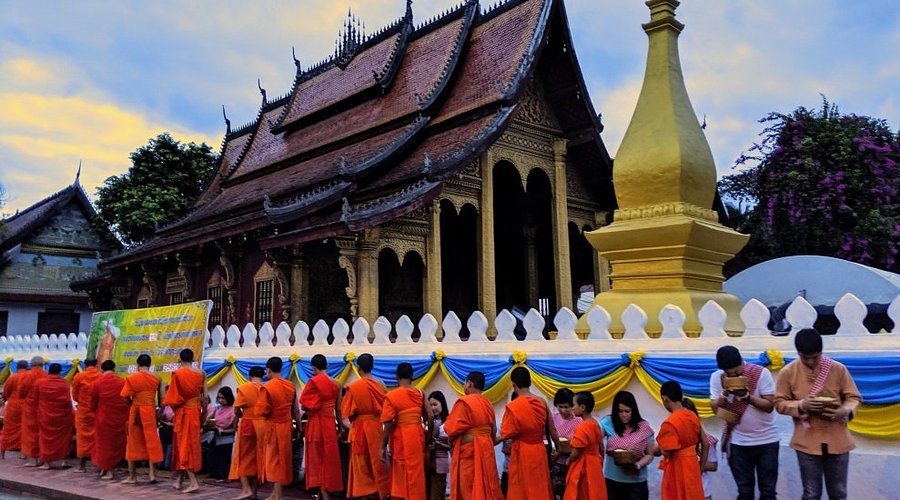
Boun Pi Mai Lao, or Lao New Year, is a truly immersive experience. The water festival celebrations were in full swing, with locals and tourists alike joyfully splashing water on each other as a symbol of purification and renewal. I spent a significant amount of time at Wat Xieng Thong, observing the religious ceremonies and capturing the monks' serene presence amidst the lively festivities. What struck me most was the genuine warmth and inclusivity of the Lao people. It was apparent that the celebrations were a community event, deeply rooted in their traditions, which I tried to capture with Boun Pi Mai Lao photography while maintaining respect for the events taking place. However, I also noticed how the influx of tourists altered the dynamic, sometimes overshadowing the cultural significance with boisterous revelry.
Ethical Dilemmas at Tad Sae Waterfall
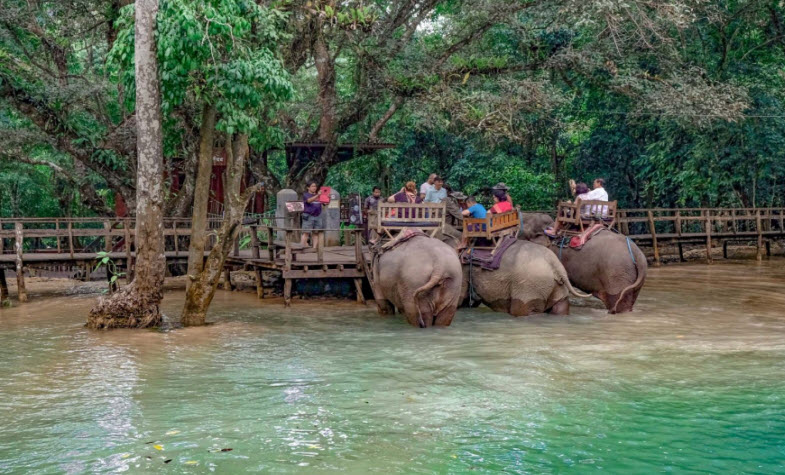
A visit to Tad Sae Waterfall was high on my list, but I approached it with caution, particularly concerning the elephants. I was immediately uncomfortable with the elephant rides being offered. The animals seemed weary, and the entire setup felt exploitative. Instead of participating in the rides, I chose to observe the elephants from a distance and learn more about the sanctuary’s efforts to rehabilitate them. I ultimately decided to donate to their care, knowing that my contribution would directly support the elephants' well-being.
Tips for Visiting Tad Sae Waterfall Ethically:
- Avoid elephant rides: Support sanctuaries that prioritize elephant welfare.
- Observe from a distance: Respect the animals’ space and natural behavior.
- Donate to conservation efforts: Contribute to the sanctuary’s rehabilitation programs.
- Ask "Is Tad Sae Waterfall elephant riding ethical?" Before participating.
Choosing ethical options is crucial when considering Tad Sae Waterfall elephant ethics.
Immersing Myself in Lao Culture: Ock Pop Tok
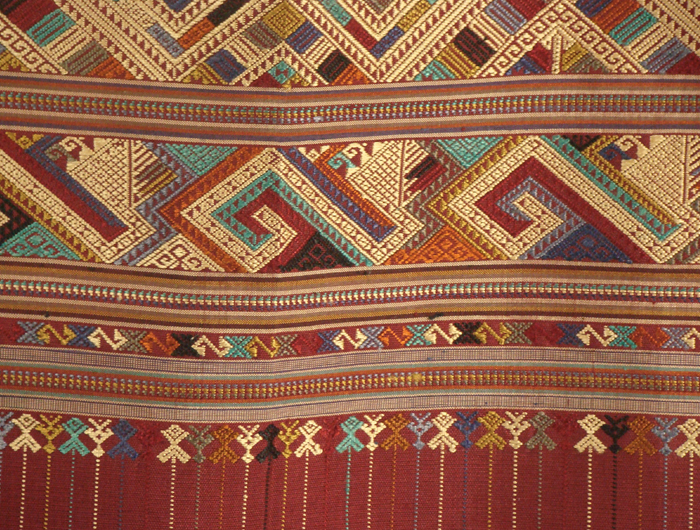
Seeking a deeper connection with Lao culture, I participated in a traditional weaving class at Ock Pop Tok. This organization is committed to fair trade practices and preserving the cultural significance of Lao textiles. Learning about the intricate weaving techniques and the stories behind the designs was fascinating. It was inspiring to see how Ock Pop Tok empowers local artisans, especially women, by providing them with sustainable livelihoods. I highly recommend a visit to Ock Pop Tok for those seeking Luang Prabang cultural experiences ethical tourism.
The Serenity of Sai Bat: Alms Giving Etiquette
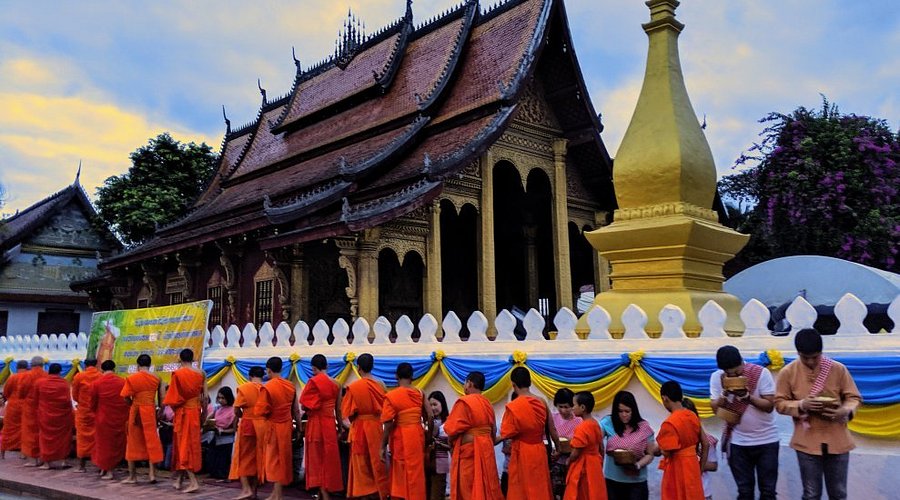
Participating in the alms giving ceremony (Sai Bat) at dawn was a truly moving experience. Witnessing the monks silently collecting offerings from the local community was a powerful reminder of the spiritual heart of Luang Prabang. However, I also observed tourists behaving disrespectfully – taking flash photos, dressing inappropriately, and getting too close to the monks. It's essential to approach this sacred tradition with humility and respect. The alms giving is part of Luang Prabang alms giving ceremony Sai Bat.
Important Etiquette for Sai Bat:
- Maintain silence throughout the ceremony.
- Give only sticky rice (available for purchase from local vendors).
- Dress appropriately (shoulders and knees covered).
- Keep a respectful distance.
A Culinary Journey: Exploring Lao Flavors
No trip to Luang Prabang is complete without indulging in the local cuisine. I ventured into the night market and savored Or Lam, a hearty stew with a unique blend of flavors. At a local restaurant called "Tamnak Lao," I tried Laap, a minced meat salad that was both spicy and refreshing. And near the National Museum, I discovered Khao Soi, the Luang Prabang version of this noodle soup, at a humble street stall. Each dish offered a glimpse into the cultural context of Lao food and the resourcefulness of the locals. I did some research beforehand, ensuring I had Lao cuisine vegetarian options available to me.
Photography Equipment and Tips
Throughout my journey, I relied on my trusty Canon EOS 5D Mark IV, paired with a 24-70mm lens for capturing the bustling street scenes and a 70-200mm lens for wildlife and landscape shots.
Photography Tips for Luang Prabang:
- Capture the light: Luang Prabang is bathed in beautiful golden light, especially during sunrise and sunset.
- Respect your subjects: Always ask for permission before photographing people, especially during religious ceremonies.
- Be mindful of the environment: Avoid disturbing wildlife or damaging natural habitats.
- Use ND filters: To capture smooth water flow at waterfalls.
If you're interested in Luang Prabang wildlife photography, be sure to be prepared to be respectful and responsible.
Practical Advice for Travelers
- Currency exchange: Exchange your currency at the airport or banks for the best rates.
- Transportation: Tuk-tuks are readily available, but renting a bicycle is a great way to explore the city at your own pace.
- Basic Lao phrases: Learning a few basic phrases will go a long way in showing respect and connecting with locals.
- What to pack: Lightweight, breathable clothing and insect repellent are essential.
Sustainability Recommendations
Beyond The Belle Rive Boutique Hotel, consider Villa Maly for another hotel known for its sustainability efforts. Supporting local businesses, eating at local restaurants, and minimizing your environmental impact are all crucial for sustainable travel Laos.
Conclusion and Call to Action
My journey through Luang Prabang was an enriching experience that deepened my commitment to ethical travel. It's a reminder that tourism can be a force for good when practiced responsibly, benefiting both travelers and local communities. I encourage you to consider the impact of your travels and to seek out opportunities to support sustainable practices. I also encourage the following:
- What is Ethical tourism in Luang Prabang? How can I be a responsible tourist in Laos?
What are your own experiences with ethical tourism, especially in Southeast Asia? Share your advice and tips on sustainable practices you have encountered on your travels and how you have contributed to responsible tourism in the comments below!