Luang Prabang: Capturing the Soul of Laos, One F...
Luang Prabang, a UNESCO World Heritage site nestled in northern Laos, is a place where time seems to slow down, and the soul finds solace. As a travel photographer specializing in Southeast Asia's hidden gems, I, Liam, have journeyed far and wide, but few places have captivated me quite like this serene city. From the spiritual awakening of the Tak Bat ceremony to the vibrant hues of the Kuang Si Falls, Luang Prabang offers a visual feast for any photographer. This blog post is a journey through my lens, capturing the essence of Luang Prabang, and sharing practical tips and ethical considerations for fellow travelers.
The Dawn of Devotion: Photographing the Tak Bat Ceremony
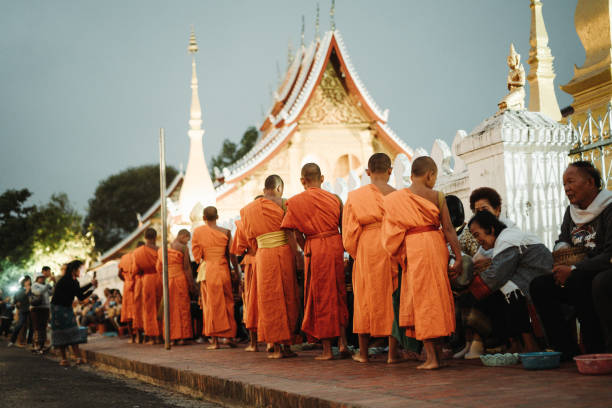
The Tak Bat, or alms giving ceremony, is a daily ritual that embodies the spiritual heart of Luang Prabang. Before sunrise, saffron-robed monks silently process through the streets, collecting offerings of sticky rice from the local people. Witnessing this ancient tradition is a profoundly moving experience.
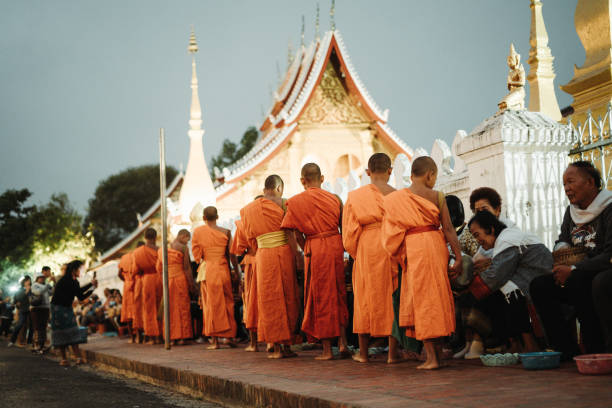
As a photographer, I approached the Tak Bat with a deep sense of responsibility. It’s easy to get caught up in the visual spectacle, but it's crucial to remember the sacredness of the moment. Before raising my camera, I sought permission from a monk, explaining my intentions and promising to maintain a respectful distance. I opted for my Sony FE 70-200mm f/2.8 GM OSS lens, allowing me to capture the scene without intruding.
"The Tak Bat is more than a photo opportunity; it's a deeply spiritual practice," I always remind myself. "My goal was to capture the reverence without intruding on it."
Ethical Considerations for the Tak Bat
- Maintain a respectful distance: Use a telephoto lens to avoid getting too close.
- Dress modestly: Cover your shoulders and knees.
- Avoid using flash: It can be disruptive and disrespectful.
- Do not interfere with the ceremony: Stand to the side and observe quietly.
- Consider making your own offering: Purchase sticky rice from a local vendor and participate in the alms giving, showing your respect and support.
A Taste of Laos: Tamarind Restaurant Cooking Class
Beyond its spiritual allure, Luang Prabang is also a culinary paradise. Eager to learn more about Lao cuisine, I signed up for a morning cooking class at Tamarind Restaurant. This immersive experience provided a hands-on introduction to the region's unique flavors and traditional cooking techniques.
Our instructor, a passionate local chef, guided us through the preparation of several classic Lao dishes, including Or Lam, a rich and flavorful stew. We started by selecting fresh ingredients from the restaurant's garden, learning about the importance of using local and seasonal produce.
The process of making Or Lam was fascinating. We pounded galangal, lemongrass, and chilies into a fragrant paste, then combined it with smoked buffalo meat, eggplant, green beans, and a unique ingredient called sa khaan, a woody vine that adds a distinctive numbing sensation to the stew.
We also learned how to prepare sticky rice, a staple of Lao cuisine. Steaming the rice in a traditional bamboo basket requires patience and precision, but the end result is a perfectly cooked, slightly sweet, and incredibly satisfying accompaniment to any meal.
Golden Hour on the Mekong: A Sunset Boat Trip
No trip to Luang Prabang is complete without a boat trip on the mighty Mekong River. As the sun begins to set, casting a golden glow over the landscape, the river comes alive with a magical energy. I booked a sunset cruise to witness this spectacle firsthand.
As the boat glided along the river, I was mesmerized by the towering karst formations that lined the banks. The golden light filtered through the limestone cliffs, creating a stunning display of light and shadow. To capture the scene's full beauty, I used my Sony FE 24-70mm f/2.8 GM lens with a polarizing filter. The polarizing filter reduced glare on the water and enhanced the colors of the sky, resulting in vibrant and dramatic images.
A Culinary Adventure: Khao Soi and Sai Oua
Luang Prabang's culinary scene is a delight for the senses. Two dishes, in particular, stand out: Khao Soi and Sai Oua.
Khao Soi is a hearty noodle soup that is a must-try for any visitor. This dish features wide rice noodles in a rich, tomato-based broth, topped with fermented soybeans, ground pork, chilies, and fresh herbs. The combination of flavors is both savory and slightly tangy, with a satisfying kick of spice. I sampled Khao Soi from a local street stall, savoring every spoonful as I watched the bustling street life unfold around me.
Sai Oua, or Lao sausage, is another culinary gem. This flavorful sausage is made with pork, lemongrass, galangal, kaffir lime leaves, and chilies. The unique blend of spices gives it a distinctive aroma and a complex flavor profile. I found Sai Oua at the Luang Prabang night market, where vendors grill it over charcoal, filling the air with its irresistible scent. The texture is slightly chewy, and the taste is a perfect balance of savory, spicy, and herbaceous notes.
The Turquoise Dream: Kuang Si Falls
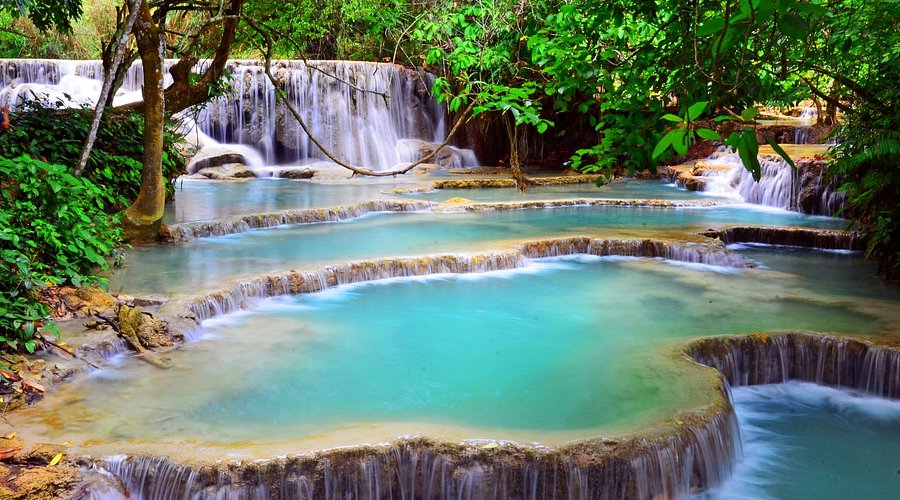
A short trip from Luang Prabang lies the breathtaking Kuang Si Falls. These multi-tiered waterfalls cascade down limestone cliffs into stunning turquoise pools. The natural beauty of Kuang Si Falls is truly captivating.
To capture the ethereal beauty of the falls, I used long exposure photography. By attaching a neutral density filter to my Sony FE 24-70mm f/2.8 GM lens, I was able to slow down the shutter speed, creating a silky smooth effect on the water. The long exposure also helped to soften the light and create a dreamy, otherworldly atmosphere.
Tips for Photographing Kuang Si Falls
- Arrive early: To avoid crowds and capture the best light.
- Use a tripod: Essential for long exposure photography.
- Experiment with different shutter speeds: To achieve the desired level of motion blur in the water.
- Wear water shoes: The rocks can be slippery.
- Respect the environment: Pack out everything you pack in.
Review Aspect & Ethical Travel in Luang Prabang
Luang Prabang is a place of incredible beauty and cultural richness, but it's also a destination facing increasing pressures from tourism. While tourism brings economic benefits, it can also have negative impacts on the environment and local communities.
It's essential to travel ethically and responsibly, supporting local businesses, respecting cultural traditions, and minimizing our environmental footprint. One way to do this is by choosing eco-friendly tour operators like Green Discovery Laos, which are committed to sustainable tourism practices.
During my time in Luang Prabang, I was struck by the warmth and generosity of the Lao people. I also noticed the growing concerns about waste management and the impact of tourism on the town's cultural heritage. It's our responsibility as travelers to be mindful of these issues and to make choices that benefit the local community and preserve the beauty of Luang Prabang for future generations.
Conclusion: A Photographer's Paradise with a Call for Responsibility
Luang Prabang truly captured my soul. The combination of stunning landscapes, rich culture, and warm hospitality makes it a destination unlike any other. As a photographer, I found endless inspiration in its serene temples, vibrant markets, and breathtaking natural wonders. However, it's crucial to remember that we have a responsibility to travel ethically and sustainably, minimizing our impact and supporting the local community. By doing so, we can help ensure that Luang Prabang remains a photographer's paradise for years to come.
For more of Liam's photography from Southeast Asia and beyond, visit his website www.liamstravels.com and follow him on Instagram @liams_lens.
Viral Video Enhancement:
Title: "Monks in Motion: An Unexpected Look at Laos' Alms Giving Ceremony"
HOOK (0-3 seconds): A slow-motion shot of a vibrant orange saffron robe, rippling as a monk swiftly turns the corner of a temple during the Tak Bat ceremony. The movement is surprisingly quick against the serene backdrop.
(Rest of the video description provided is omitted as it is just for planning purposes).