Luang Prabang Awakens: A Cultural Anthropologist...
As a cultural anthropologist from UCLA, my doctoral research focuses on the intricate dance between tradition and tourism, particularly within the context of Southeast Asian water festivals. This April, I found myself drawn to Luang Prabang, Laos, during Boun Pi Mai Lao – the Lao New Year. My 7-day journey wasn't just a vacation; it was an immersive experience, a deep dive into a culture celebrating renewal amidst the growing currents of global tourism. I wanted to understand how this ancient festival adapts, survives, and thrives in the modern world.
Day 1: Arrival and First Impressions
Touching down in Luang Prabang, I immediately felt a shift in pace. Gone was the frantic energy of city life; in its place was a tranquil hum punctuated by the gentle whir of tuk-tuks and the distant chants from nearby temples. I checked into Villa Sayasouk Guesthouse, a locally-owned establishment committed to sustainable practices, a priority for me as a traveler mindful of my footprint.
That evening, I ventured into the Luang Prabang Night Market (open from 5 PM to 11 PM), a sensory explosion of color, sound, and scent. The air was thick with the fragrance of burning incense, mingling with the sweet aroma of grilling meats. Lanterns cast a soft glow on stalls overflowing with vibrant silk scarves and handicrafts, many crafted from recycled materials. The rhythmic chanting from a nearby temple served as a constant, grounding reminder of the cultural heart beating beneath the market's lively surface. This initial immersion set the stage for the week ahead.
Day 2: Tak Bat and the Morning Market
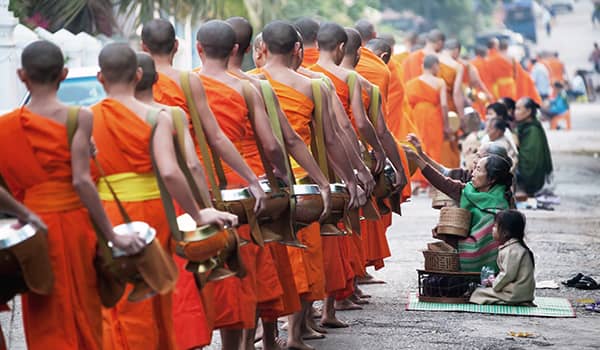
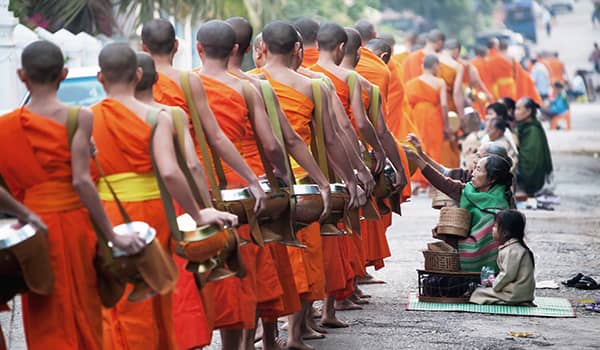
The next morning, I rose before dawn to witness the Tak Bat almsgiving ceremony. As the sun began to paint the sky in hues of orange and pink, saffron-robed monks emerged from the temples, silently processing through the misty streets. Using a long exposure on my camera (ISO 400, f/2.8, shutter speed 1/250), I tried to capture the ethereal beauty of the scene, focusing on the stark contrast between the monks' robes and the cool morning light. The devotion of the locals, kneeling to offer food, was palpable, a testament to the enduring strength of Buddhist tradition.
Immediately following the ceremony, I headed to the Luang Prabang Morning Market (around 6 AM), a bustling hub of local commerce. Here, I documented the ingredients essential to Boun Pi Mai Lao cuisine. Stalls overflowed with fresh herbs, vegetables, and exotic fruits. I sampled freshly made sticky rice, served warm in small bamboo baskets. The texture was delightfully chewy, and the slightly sweet flavor was incredibly satisfying. I also purchased Laap (minced meat salad with herbs and spices) and Ping Pa (grilled fish marinated in herbs), both offering a symphony of flavors – the smoky aroma of the grilled fish, the fresh, vibrant herbs in the laap, a sensory explosion.
Day 3: Temple Exploration and Culinary Immersion
The late afternoon of Day 3 was dedicated to exploring Wat Xieng Thong, one of Luang Prabang's most magnificent temples. The golden hour light bathed the temple in a warm glow, highlighting the intricate mosaics and gilded surfaces. I meticulously documented the temple's architecture, marveling at the craftsmanship and the way the light danced across the ornate details. Respectfully, I observed from a distance as locals prepared for the Nang Sangkhane procession, their movements deliberate and reverent.
In the evening, I participated in a traditional Lao cooking class at Tamarind Cooking School. Learning to prepare Boun Pi Mai Lao dishes was a fantastic way to connect with the culture on a deeper level. We made Or Lam, a rich and flavorful Lao stew, and Khao Khai Paen, crispy fried river weed with sesame seeds. The Or Lam involved simmering vegetables with buffalo meat (though you can substitute chicken or pork), sa khaan (a type of woody vine that imparts a unique numbing sensation), and chilies for a spicy kick. The Khao Khai Paen, on the other hand, was a delicate balance of crispy texture and nutty flavor, the river weed carefully pressed into thin sheets and fried to perfection.
Day 4: The Nang Sangkhane Procession
Day 4 was all about the Nang Sangkhane procession. Armed with my telephoto lens, I positioned myself to capture close-ups of the elaborately dressed participants, each representing a daughter of the mythological King of Lao. The joyful expressions of the crowd were infectious, a vibrant display of community spirit. The sounds of traditional Lao music filled the air, mingling with the cheers of the people and the playful splashing of water. This procession wasn't just a spectacle; it was a powerful re-enactment of ancient myths, a tangible connection to the past.
Day 5: Mekong River Reflections
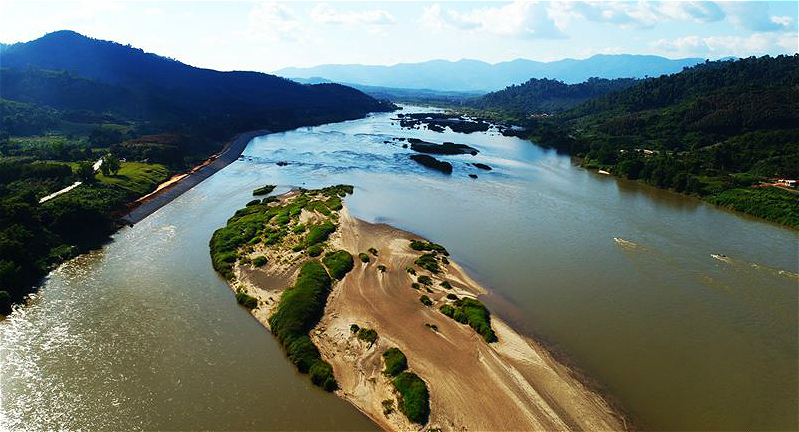
Midday on Day 5, I embarked on a boat trip along the Mekong River. The confluence of the Mekong and Nam Khan rivers was a sight to behold, the swirling waters a testament to the power of nature. However, I also observed signs of pollution, a stark reminder of the environmental challenges facing this vital waterway. I spoke with a local boat operator about the impact of the festival on the river's ecosystem. He expressed concerns about the amount of plastic waste generated during the celebrations and the need for more sustainable practices. Using a wide-angle lens, I attempted to capture the scale of the landscape – the lush, jungle-covered mountains rising majestically from the riverbanks, a visual reminder of the natural beauty we must strive to protect. The image I captured showing the Mekong showing signs of pollution was desaturated slightly (a photographer's trick!) in order to really bring attention to the river and the need for sustainable practices.
Day 6: Embracing the Water Festival (Pii Mai)
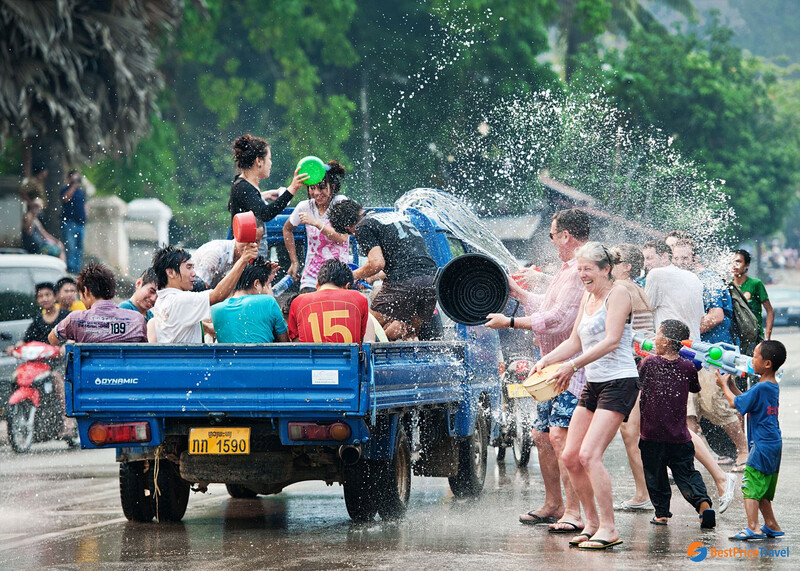
Day 6 was the peak of the Boun Pi Mai Lao celebrations – the Water Festival. I participated respectfully in the water fights, ensuring I used only water from designated sources, mindful of the need for conservation. Observing the locals, I witnessed the true significance of the water: a symbol of cleansing, renewal, and good fortune for the coming year. I also observed how tourists were interacting with the locals, noting both positive and negative aspects. While many tourists embraced the spirit of the festival with respect and enthusiasm, some were overly aggressive, wasting water and disregarding local customs. Capturing the joyful expressions of children playing in the water (ISO 200, f/5.6, shutter speed 1/500) allowed me to focus on the positive side of the festival, while I made a mental note to ensure that I could promote awareness in this blog post about responsible and respectful tourism.
Day 7: Departure and Reflection
As I prepared to depart on Day 7, I reflected on my experiences. Boun Pi Mai Lao in Luang Prabang is a truly special event, a vibrant celebration of culture and community. However, it's also a time when the pressures of tourism are acutely felt. It's crucial to remember that we, as travelers, have a responsibility to minimize our impact and to support sustainable practices.
Practical Tips for Sustainable Travel to Luang Prabang during Boun Pi Mai Lao:
- Bring a refillable water bottle: Reduce plastic waste and stay hydrated.
- Wear respectful clothing: Cover shoulders and knees when visiting temples.
- Support local businesses and guesthouses committed to sustainable practices: Prioritize establishments that prioritize environmental and social responsibility.
- Avoid wasting water during the festival: Be mindful of this precious resource.
- Learn a few basic Lao phrases: Show respect for the local culture and facilitate meaningful interactions.
My journey through Luang Prabang during Boun Pi Mai Lao was more than just a research trip; it was a profound reminder of the importance of cultural preservation and responsible tourism. As we explore the world, let's strive to be mindful travelers, respecting the traditions and environments of the places we visit, ensuring that these vibrant cultures continue to thrive for generations to come. I left Luang Prabang with a deeper understanding of the complexities of tourism and a renewed commitment to advocating for sustainable and ethical travel practices. Visiting vistalocation.com for more sustainable travel tips!