Luang Prabang: A Sustainable Paradise Found (and...
Hello! I’m Eleanor Vance, an environmental scientist from Seattle currently immersed in a sustainable tourism project here in Southeast Asia. My work aims to find that sweet spot where tourism benefits local communities while minimizing its environmental impact. That's why I was so eager to spend a week in Luang Prabang, Laos, a UNESCO World Heritage city famed for its beauty and rich cultural heritage. I wanted to experience firsthand how this enchanting destination navigates the delicate balance between welcoming visitors and preserving its unique identity. What I found was a place striving for sustainability, a place where the past and present intertwine, and an experience, the alms giving ceremony, that has profoundly impacted my understanding of mindful travel. This post details my experiences in Luang Prabang, offering insights and recommendations for responsible tourism.
Boun Pi Mai Lao: A Refreshing Immersion into Lao Culture
I arrived in Luang Prabang during Boun Pi Mai Lao, the Lao New Year, and what an introduction it was! Imagine vibrant colors, infectious laughter, and the exhilarating splash of water everywhere you turn. This isn’t just a water fight; it's a ritual of cleansing and renewal. Locals and tourists alike gently pour water on each other, offering blessings for the year ahead. Temples are adorned with flowers, and the air hums with the sounds of traditional music. What struck me most was the respectful joy that permeated the celebrations. It wasn't chaotic; instead, there was a shared understanding of the cultural significance, a collective wish for good fortune. It was a truly immersive experience, a fantastic introduction into Laos Ecotourism. The "best time to visit Luang Prabang water festival" is definitely during Boun Pi Mai Lao if you're looking for cultural immersion!
The Tak Bat: An Alms Giving Ceremony Etched in My Memory
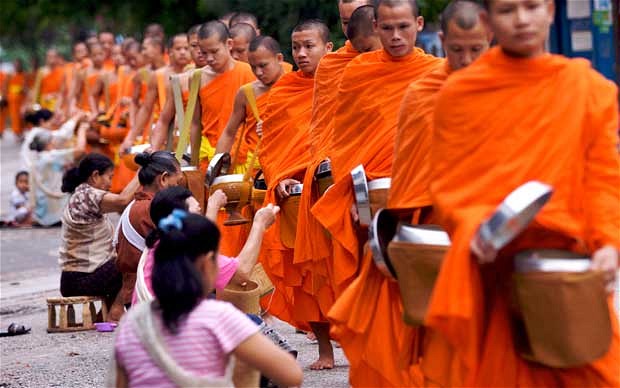
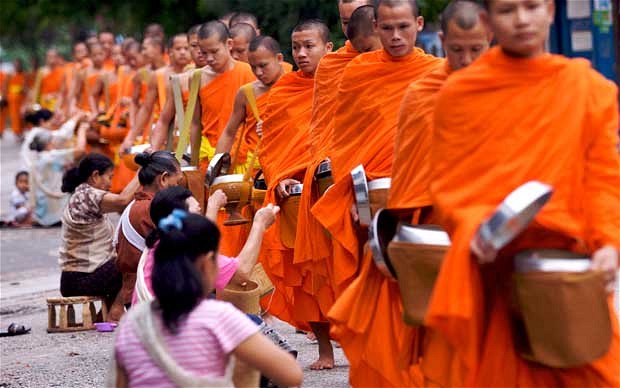
The Tak Bat, or alms giving ceremony, is an ancient tradition deeply rooted in Buddhist culture. Before dawn, as the first light kisses the horizon, saffron-robed monks silently walk through the streets, collecting offerings of sticky rice from the local people. The air is thick with the scent of incense and the quiet murmur of prayers. It's a profoundly moving experience. I chose to observe respectfully from a distance, acutely aware of the potential impact of tourism on this sacred ritual. I learned about the importance of maintaining respectful distance and appropriate attire. "How to respectfully participate in Luang Prabang alms giving" involves understanding its meaning and showing reverence. Ethical tourism in Laos demands sensitivity and respect for traditions. If you want to know "what to wear for alms giving Luang Prabang," modesty is key: shoulders and knees should be covered. This event, more than any other, highlighted the crucial intersection of tourism and cultural preservation in Luang Prabang. Is the Luang Prabang alms giving ceremony ethical? It can be if approached with respect and understanding.
Ethical Considerations for the Alms Giving Ceremony
The alms giving ceremony has faced criticism regarding its exploitation by tourism. It is important for tourists to understand the cultural significance of the ritual and avoid behaviors that disrupt or disrespect it. Here are some key considerations:
- Maintain a respectful distance: Avoid getting too close to the monks or blocking their path.
- Dress modestly: Cover shoulders and knees.
- Do not use flash photography: The bright light can be disruptive to the monks and the local participants.
- Purchase offerings responsibly: If you choose to participate in offering alms, purchase food items from local vendors who provide fresh and appropriate offerings. Avoid buying from vendors who sell items that are not traditionally offered, or from those who pressure tourists into purchasing.
- Refrain from taking selfies or posed photos: The focus should be on the ritual, not on personal photo opportunities.
Tamarind Cooking Class: Unlocking the Flavors of Laos
Taking a cooking class at Tamarind restaurant was an absolute highlight of my culinary adventures in Luang Prabang. I learned to prepare several classic Lao dishes, including the ubiquitous Laap. I found it interesting to learn about the regional variations: some use toasted rice powder for texture, others incorporate a medley of fresh herbs like mint, cilantro, and dill. But my favourite was Or Lam, a hearty stew featuring sakhaan, a unique jungle vine that imparts a slightly spicy, numbing sensation. The class covered everything from sourcing fresh ingredients at the local market to mastering essential techniques like pounding spices and balancing flavors. I would highly recommend this class if you're looking for a "Luang Prabang cooking class"! You can find a "Tamarind Cooking School Luang Prabang review Eleanor Vance" praising its authenticity and focus on local ingredients.
Kuang Si Falls: A Symphony of Turquoise and Green

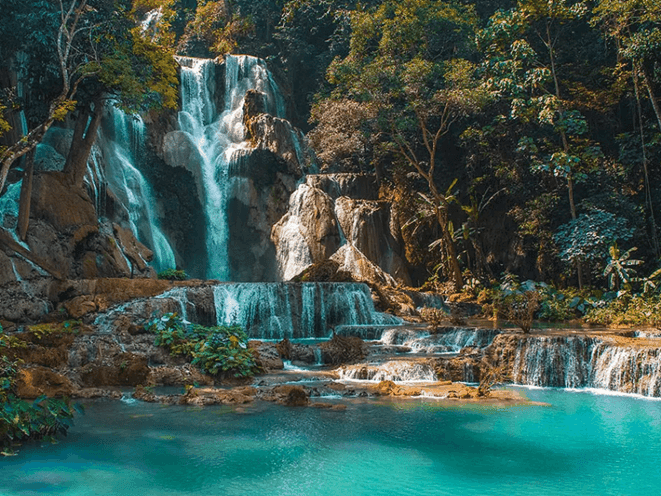
Kuang Si Falls is a cascade of turquoise pools tumbling through lush jungle. The hiking trails offered stunning views, and the cool water was incredibly inviting. I was impressed by the visible conservation efforts: clearly marked paths, designated swimming areas, and initiatives to reduce plastic waste. It’s a stunning example of how natural beauty can be preserved even with a steady stream of visitors. "Kuang Si Falls sustainable travel" is possible if you stick to marked trails and avoid littering.
Mekong River Sunset: A Golden Farewell
A boat trip on the Mekong River at sunset is an absolute must-do in Luang Prabang. As the sun dipped below the horizon, the sky exploded in hues of orange, pink, and gold, reflecting on the tranquil water. The sounds of the river – the gentle lapping against the boat, the distant calls of birds – were incredibly soothing. I observed local fishermen casting their nets, a timeless scene playing out against the backdrop of the setting sun. Mekong River eco-tourism is available, but research responsible tour operators beforehand.
Rice Paddies: The Heart of Lao Agriculture
The rice paddies surrounding Luang Prabang are a breathtaking sight: terraced fields of vibrant green stretching as far as the eye can see. These paddies are not just beautiful; they're the lifeblood of the local economy. I learned about traditional farming practices, many of which are surprisingly sustainable. Sustainable farming in Luang Prabang rice paddies relies on natural irrigation and crop rotation.
Mount Phousi: A Panoramic Perspective
Climbing Mount Phousi offers a panoramic view of Luang Prabang, the surrounding mountains, and the confluence of the Mekong and Nam Khan rivers. The environmental significance of this vantage point is undeniable. From above, you can appreciate the intricate network of waterways, the vast expanse of forest, and the delicate balance of the ecosystem. Mount Phousi sunset responsible travel involves being mindful of noise and waste.
Challenges of Sustainable Tourism in Luang Prabang
While Luang Prabang has made significant strides in promoting sustainable tourism, several challenges remain:
- Waste Management: The increasing volume of tourist-generated waste strains existing infrastructure.
- Water Scarcity: Tourism can exacerbate water scarcity issues, particularly during the dry season.
- Cultural Preservation: Balancing the economic benefits of tourism with the need to protect cultural heritage requires ongoing effort.
- Economic Inequality: Ensuring that the benefits of tourism are distributed equitably among local communities is crucial.
Recommendations for Responsible Tourism in Luang Prabang
To minimize your impact and support sustainable tourism in Luang Prabang, consider the following:
- Choose eco-friendly accommodations: Opt for hotels or guesthouses that prioritize sustainability practices.
- Support local businesses: Eat at local restaurants, buy souvenirs from local artisans, and use local transportation services.
- Reduce your waste: Bring a reusable water bottle, avoid single-use plastics, and dispose of waste responsibly.
- Respect local culture: Dress modestly, be mindful of local customs, and learn a few basic Lao phrases.
- Participate in sustainable activities: Choose tours and activities that are environmentally and culturally responsible.
A Hopeful Future
My week in Luang Prabang was an unforgettable experience. It's a place of profound beauty, rich culture, and a genuine commitment to sustainability. While challenges remain, I left with a sense of hope. The dedication of the local people, combined with responsible tourism practices, offers a path towards a brighter, more sustainable future for this paradise found. I hope that more individuals start to seek "Luang Prabang responsible tourism" options.
If you're planning a trip to Laos, I urge you to visit Luang Prabang responsibly. Support local businesses, respect the culture, and be mindful of your impact. You can find resources and inspiration for planning your sustainable trip to Laos at vistalocation.com.