Luang Prabang: A Study in Light and Shadow
Luang Prabang
Luang Prabang. Even the name whispers of tranquility, of ancient temples and the slow, deliberate pace of life. As a minimalist travel photographer, drawn to the stark beauty of black and white, I seek to capture the essence of a place through its details, the interplay of light and shadow that reveals its soul. A week in this Lao gem was a masterclass in this pursuit, a journey that recalibrated my perspective and deepened my appreciation for the world’s quiet corners. It wasn’t about grand landscapes, but rather the intricate textures, the fleeting moments, the stories etched in the faces of the people – all rendered in shades of grey. This is my Luang Prabang, a study in the art of seeing.
Tak Bat: Dawn’s Embrace
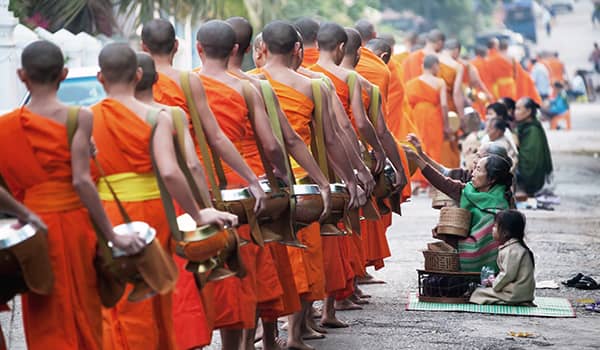
The 5:00 AM alarm stung, but the thought of witnessing the Tak Bat, the daily alms giving ceremony, propelled me out of bed. Stepping into the pre-dawn air, a cool mist clung to the streets, softening the edges of the French colonial architecture. The saffron robes of the monks, a vibrant splash against the muted palette of the morning, appeared in the distance like embers glowing in the dark. As they walked, a silent procession, local residents kneeled to offer sticky rice and small gifts.
The scene unfolded with a quiet reverence that was almost palpable. The rhythmic murmur of prayers, the gentle rustle of robes, and the soft clicks of my camera shutter were the only sounds. It was a dance of light and shadow, the monks’ saffron a beacon in the half-light, the mist swirling around them like a whispered secret. I focused on capturing the texture of the woven baskets, the lined hands offering food, and the serene expressions of the monks. Through my lens, the scene transcended mere observation; it became a meditation on generosity, devotion, and the enduring power of tradition. What is Tak Bat ceremony? It is an alms-giving ceremony central to Buddhist practice.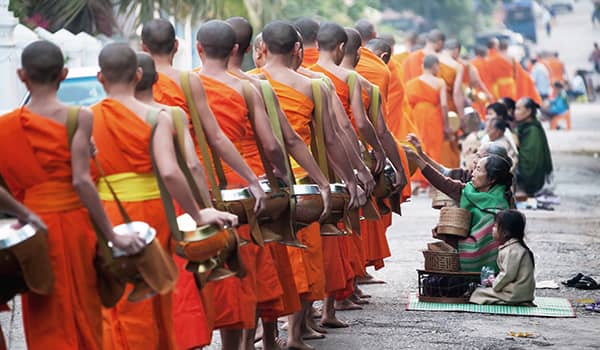
UXO Lao Visitor Centre: Echoes of the Past
The serenity of Luang Prabang is juxtaposed with a stark reminder of its turbulent past. A visit to the UXO Lao Visitor Centre is a necessary, albeit sobering, experience. Laos is the most heavily bombed country per capita in history, and unexploded ordnance continues to pose a threat to its people.
The center displays deactivated bombs, shells, and other remnants of war. It’s a collection of metal and devastation, each piece a silent testament to the enduring legacy of conflict. I chose to focus on the twisted metal, the faded markings on the bomb casings, and the educational posters detailing the ongoing efforts to clear the land. These weren't just artifacts; they were fragments of shattered lives, reminders of resilience. UXO Lao Visitor Centre Review? It is a sobering but essential visit. The stark displays and compelling narratives offer a poignant reflection on the enduring impact of conflict on the Lao people.
Mekong Musings: River Rhythms
The Mekong River is the lifeblood of Laos, and a slow-paced boat trip is essential for understanding the country’s soul. The roar of longtail boats is something one should expect on the water, but it is still worth visiting. I boarded a small wooden boat and drifted along, letting the river dictate the rhythm of the day. The water's surface acted as a mirror, reflecting the sky and the surrounding jungle. I observed the fishermen casting their nets, the children playing along the banks, and the weathered faces of the boatmen, etched with years of sun and river wisdom.
These faces, lined with time and hardship, became subjects of my lens. I sought to capture their quiet dignity, their connection to the river, their stories told without words. The reflections on the water, the patterns of light on the wooden hulls of the boats, the simple act of rowing – these were the details that spoke to me, the essence of the Mekong revealed in its quiet rhythms. Mekong River cruise Luang Prabang sunset cruise? This is a perfect option for a sunset experience.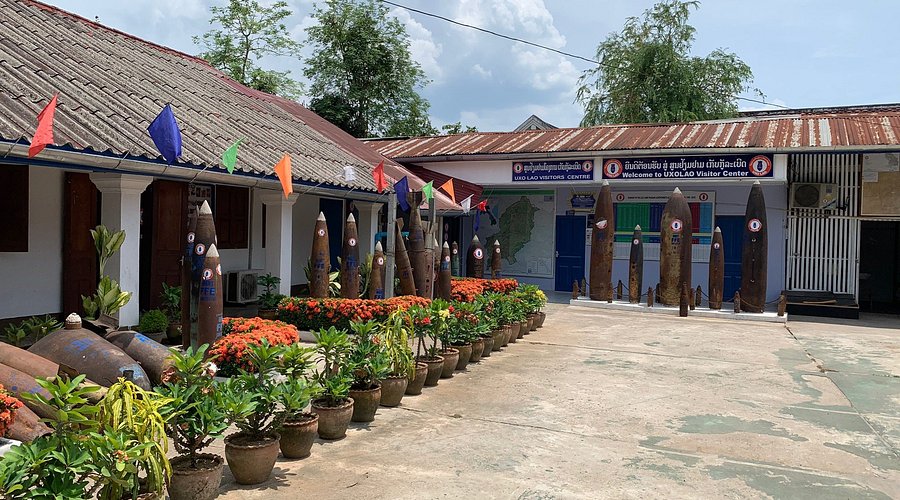
Kuang Si Falls: Emerald Cascade
A trip to Luang Prabang is incomplete without a visit to Kuang Si Falls. The turquoise waters cascading down the tiered rocks are a spectacle to behold. But, beyond the visual grandeur, I was drawn to the way the light filtered through the jungle canopy, creating a mosaic of shadows on the water. The textural contrast between the smooth, moss-covered rocks and the churning, frothy water was mesmerizing. Is Kuang Si Falls worth visiting? Absolutely, it is a must-see natural attraction.
I experimented with long exposures, blurring the water into a silky veil, emphasizing the movement and serenity of the falls. The cool mist rising from the base of the falls, the sounds of the jungle, the dappled light – it was an immersive experience, a symphony of textures and tones. It wasn't just about capturing a pretty picture; it was about capturing the feeling of being enveloped by nature, of finding peace in the midst of the rushing water. Kuang Si Falls Guide? Bring appropriate shoes, water, and a camera.
Lao Coffee and Culinary Delights: A Taste of Tradition
Lao coffee is not for the faint of heart. Strong, dark, and intensely flavorful, it's a jolt to the senses. I found myself drawn to the traditional coffee shops, small, unassuming spaces where locals gathered to chat and sip. The aroma of roasting beans, the clinking of cups, the murmur of Lao conversations – these were the sensory details that painted a picture of daily life. Best Luang Prabang cafes with local coffee beans? Seek out small, local establishments for an authentic experience.
And then there was the food. A meal at Tamarind restaurant was a revelation. I particularly enjoyed Mok Pa, steamed fish in banana leaves. The delicate flavors of the fish, infused with herbs and spices, were a testament to the simplicity and freshness of Lao cuisine. Taking their cooking class was a highlight. I learned the art of wrapping the fish in banana leaves, of balancing the flavors, of creating a dish that was both delicious and visually appealing. Tamarind Cooking Class Luang Prabang Mok Pa? Learn to cook classic Lao dishes and immerse yourself in the local cuisine.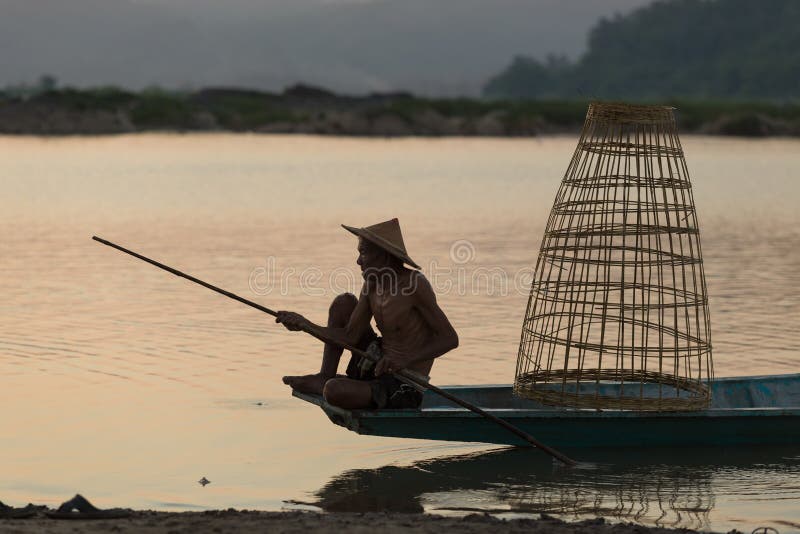
Contrasts in Architecture and Landscape
Luang Prabang is a city of contrasts. The lush green jungle encroaches upon the elegant French colonial architecture, creating a visual tapestry of old and new, nature and civilization. The faded facades of the buildings, the intricate details of the balconies, the vibrant bougainvillea cascading down the walls – these were the elements that caught my eye. French Colonial Architecture Luang Prabang? Explore the unique blend of Lao and European influences in the city's historical buildings.
I found myself drawn to the patterns created by the shadows of the trees on the buildings, the way the light played on the textures of the aged stucco. These scenes, rendered in black and white, highlighted the timeless beauty of the city, its ability to seamlessly blend its past with its present. The old city is a UNESCO World Heritage Site.
A Minimalist's Reflection
Luang Prabang resonated deeply with my minimalist aesthetic. It's a place where less is more, where beauty is found in simplicity, where the quiet moments speak the loudest. The textures, patterns, and the interplay of light and shadow provided endless opportunities for capturing the essence of the place through my lens.
What did I learn in Laos? I learned to slow down, to appreciate the small details, to find beauty in the ordinary. I learned that true connection comes not from grand gestures, but from quiet observation and a willingness to be present. As a photographer, I left Luang Prabang with a renewed sense of purpose, a deeper understanding of the power of black and white, and a profound appreciation for the art of seeing. If you seek a destination that nourishes the soul and sharpens the eye, Luang Prabang awaits. Explore ethical alms giving in Luang Prabang to respectfully support the monks and local traditions. Plan your trip today!