Luang Prabang: A Journey of Serenity and Sustain...
Luang Prabang, a UNESCO World Heritage city nestled in the heart of Laos, is more than just a destination; it’s an experience. As a cultural anthropologist specializing in sustainable tourism, I recently embarked on a journey to this enchanting city, eager to immerse myself in its rich culture and explore its commitment to ethical travel. This isn't just a travelogue; it's a reflection on the complex realities of tourism and the importance of responsible travel, particularly how we can travel sustainably in Luang Prabang. From the serene alms giving ceremony to vibrant markets and cascading waterfalls, Luang Prabang offered a tapestry of moments that moved and challenged me. Here’s my account of a day filled with serene cultural immersion and sustainable discovery.
The Dawn of Giving: Sai Bat and the Alms Giving Ceremony
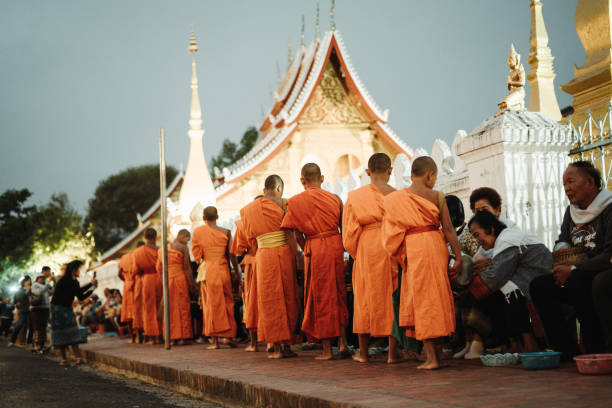
The day began before sunrise. I rose before dawn, drawn by the promise of witnessing the Sai Bat, the daily alms giving ceremony. Stepping into the pre-dawn streets, a hushed serenity hung in the air. The first light painted the sky with hues of pink and orange, illuminating the hundreds of monks, their saffron robes a striking contrast against the dimness. They walked silently, single file, collecting offerings from the local people, kneeling in quiet devotion.
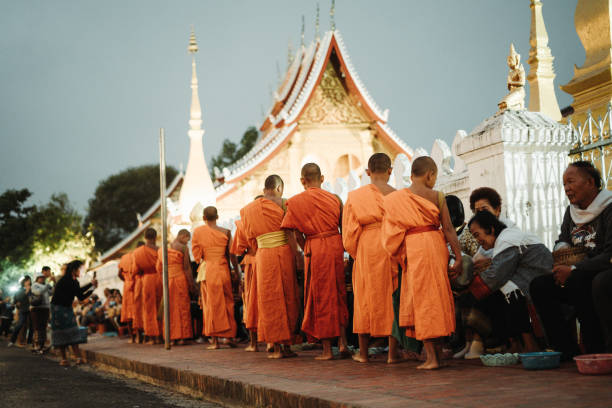
It was a profoundly moving scene. However, a sense of unease also crept in. The growing presence of tourists, some behaving disrespectfully, threatened to disrupt the sanctity of this ancient tradition. The appropriate etiquette is simple: maintain complete silence, offer only cooked rice (sticky rice is traditional), avoid direct eye contact, and dress respectfully. I observed some tourists taking flash photos, their loud chatter breaking the silence. As a proponent of responsible tourism Laos, I felt conflicted. How do we, as travelers, appreciate and witness such cultural treasures without jeopardizing their very existence? This question is key to alms giving ceremony responsible tourism.
A Taste of Laos: Cooking Class and Market Visit
Later that morning, I sought a deeper connection to Lao culture through its cuisine. I joined a Lao cooking class, but the experience began even before the lesson, at the Phousi Morning Market. The market was a sensory explosion – a kaleidoscope of vibrant colors and a symphony of unfamiliar aromas. Heaps of fresh produce, exotic fruits, pungent spices, and local herbs were piled high on wooden stalls. I carefully selected ingredients for our menu: Khao Soi (Lao noodle soup) and Mok Pa (steamed fish in banana leaves). This also allowed me to support local communities Luang Prabang tourism
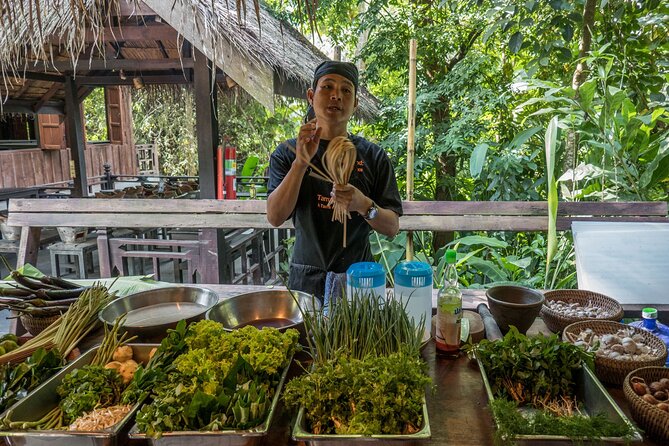
During the class, I peppered the instructor with questions. Where did these dishes originate? What are the traditional cooking methods? What role do these foods play in Lao culture? She explained that Khao Soi is a northern Lao specialty, often eaten for breakfast, while Mok Pa, steamed fish, is a staple throughout the country, showcasing the resourcefulness of Lao cuisine. The flavors were rich and complex – the perfect balance of spicy, sweet, sour, and savory. I left the class with a newfound appreciation for Lao cuisine and a determination to recreate these dishes at home. Finding a Lao cooking class supporting local farmers is easy to find in the city.
The Best Soups to try in Luang Prabang
- Khao Soi
- Feu
- Tom Yum
- Kaeng Jeut
Turquoise Waters and Rescued Bears: Kuang Si Falls
In the afternoon, I escaped the heat with a visit to Kuang Si Falls. The cascading waterfalls, plunging into a series of turquoise blue pools, were a breathtaking sight. The falls are easily one of the most sought after destinations in Luang Prabang, because of the clear water and scenic views. While tempted to simply relax by the water, I was keen to find out how to visit Kuang Si Falls sustainably.
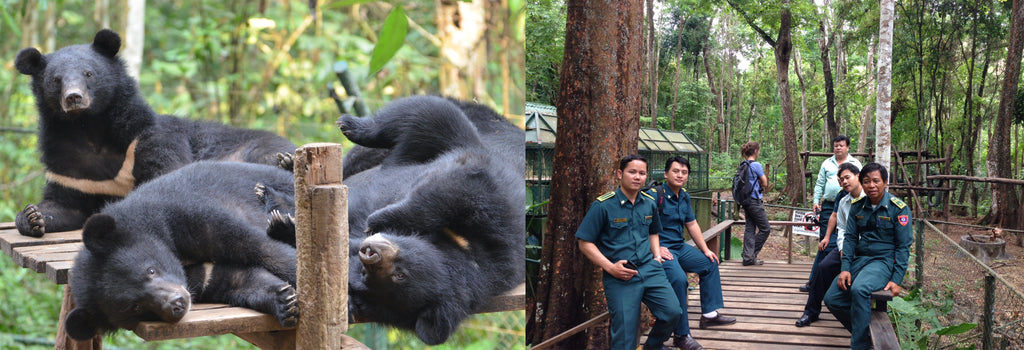
My visit wasn’t just about the scenery; it was also about ethical engagement. I made my way to the Tat Kuang Si Bear Rescue Centre, a sanctuary dedicated to rehabilitating rescued Asiatic black bears, also known as moon bears. These bears are often victims of the illegal wildlife trade, exploited for their bile. The center provides them with a safe haven and aims to raise awareness about the plight of these magnificent creatures. I learned about their rehabilitation programs, donated to the center, and considered what ethical wildlife tourism Laos looks like. Supporting organizations like this is a crucial way to ensure minimize environmental impact visiting Kuang Si Falls. To ethically support the organization, tourists can donate, volunteer, or simply spread awareness about their work.
Mekong River Guesthouse: Eco-Friendly Retreat
My accommodation played a crucial role in my commitment to ethical travel Luang Prabang. I stayed at the "Mekong River Guesthouse," an eco-friendly haven nestled along the banks of the river. The guesthouse is committed to sustainability, utilizing solar power, composting food waste, and employing local staff. This attention to detail gave me eco-friendly accommodation Luang Prabang. Choosing such accommodation is a great way to partake in responsible tourism. The owners are also engaged in Mekong River conservation.
Baci Ceremony: Celebrating Sustainable Tourism
I had the opportunity to participate in a Baci ceremony, a traditional Lao ceremony designed to invoke good luck, health, and prosperity by tying cotton threads around the wrists. This particular Baci ceremony was held to celebrate the guesthouse’s commitment to sustainable tourism. The event was filled with traditional Lao music, delicious food, and graceful dance. The cotton threads, tied by elders and well-wishers, are worn until they naturally fall off, symbolizing the ongoing blessings. I felt so welcomed by this celebration of community based tourism.
Luang Prabang Night Market: A Reflection on Textiles and Handicrafts
As the sun set, I explored the vibrant Luang Prabang Night Market. This market is a treasure trove of traditional Lao textiles and handicrafts. I was captivated by the intricate patterns, the vibrant colors, and the skill of the weavers.
It’s important to remember that our purchasing power has consequences. To ensure your purchases are ethically sourced and environmentally friendly, ask questions about the origins of the products, look for items made from sustainable materials, and support artisans directly whenever possible. Support slow travel and find unique gifts to bring home.
A Call to Responsible Travel
Luang Prabang is a city that captivates the senses and nourishes the soul. However, its beauty and cultural richness are fragile. As tourists, we have a responsibility to travel ethically and sustainably, minimizing our environmental impact and supporting local communities. Before you go, consider these tips to practice responsible travel guidelines for visiting Luang Prabang:
- Choose eco-friendly accommodation: Support guesthouses and hotels committed to sustainability.
- Eat local: Dine at local restaurants and sample traditional Lao cuisine.
- Shop ethically: Buy handicrafts and textiles directly from artisans.
- Respect local customs: Dress modestly, be mindful of local traditions, and learn a few basic Lao phrases.
- Minimize your environmental impact: Reduce your use of plastic, conserve water, and choose sustainable transportation options.
- Support local tour guides: Consider responsible travel guides for Laos.
By embracing responsible travel, we can help preserve the magic of Luang Prabang for generations to come. It's more than just a vacation; it's an opportunity to connect with a different culture in a meaningful and respectful way, creating positive impacts on the environment and the local community.