Luang Prabang: A Decade Later, Seen Through a P...
Stepping off the plane in Luang Prabang felt like walking into a half-remembered dream. Ten years had passed since my last visit, a lifetime in some ways, and I was eager, yet apprehensive, to see how this enchanting Lao city had weathered the relentless march of time. Armed with my trusty Sony a7iii and a backpack full of lenses, I was ready to rediscover Luang Prabang, not just as a traveler, but as a photographer seeking to capture its enduring soul.
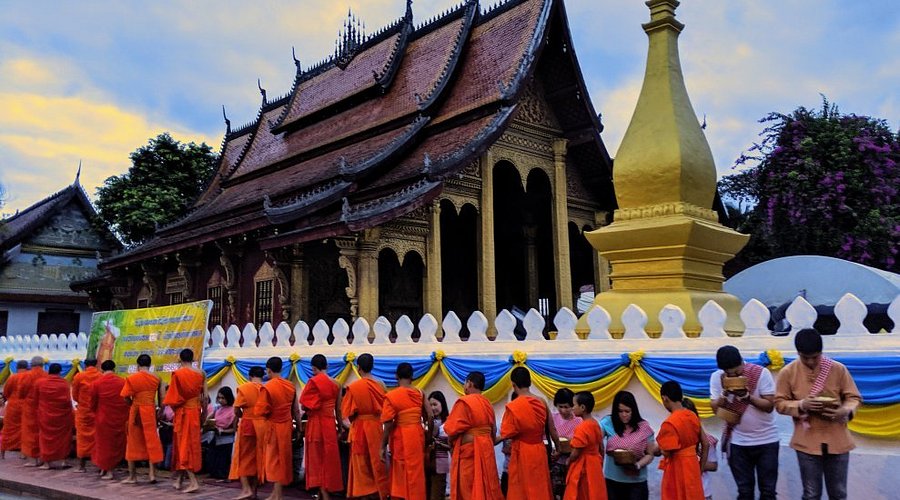
The initial impressions were a mix of the familiar and the subtly altered. The once-quiet streets now buzzed with the persistent whine of tuk-tuks, a testament to the city's growing popularity. New guesthouses and cafes lined the main thoroughfare, a clear indication of increased tourism. But thankfully, the heart of Luang Prabang remained untouched. The saffron-robed monks still glided through the streets each morning, their serene presence a constant reminder of the city's spiritual core. The air still carried the fragrant aroma of frangipani and the gentle rhythm of life continued at its own unhurried pace.
The Timeless Ritual of Tak Bat
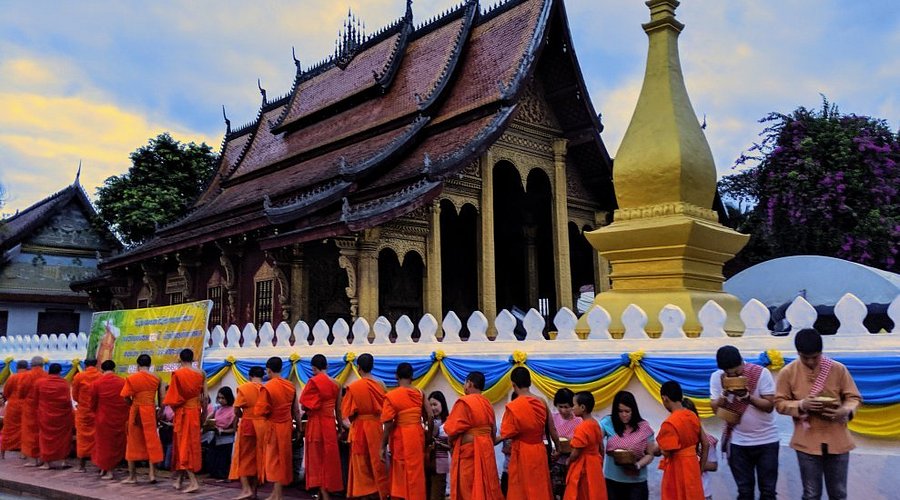
One of the first things I wanted to photograph was the Tak Bat, the daily alms-giving ceremony. Waking before dawn, I ventured out into the cool morning air. The streets were already lined with locals and tourists, all waiting with offerings of sticky rice. Photographing the Tak Bat presents a unique challenge: capturing the beauty of the ritual without disturbing its sanctity. I opted for a wide aperture (f/2.8) and a high ISO (3200) on my 24-70mm lens, allowing me to capture the scene in the dim light without using a flash, which would have been incredibly disrespectful. The low light pushed my camera to its limits, but the resulting images, grainy yet evocative, captured the ethereal beauty of the event.
The ethereal glow of dawn illuminates the silent procession of monks, a timeless ritual in a rapidly changing world.
Immersed in Tradition: The Baci Ceremony
Beyond the iconic landmarks, I sought to experience the more intimate aspects of Lao culture. I was fortunate enough to be invited to a traditional Baci ceremony at a local family's home. The Baci is a spiritual ceremony performed to celebrate a special occasion, such as a wedding, a birth, or simply to wish someone good luck. The room was filled with vibrant colors – bright fabrics, intricately woven decorations, and the warm smiles of the family. The air resonated with the rhythmic chanting of the mor phon (ceremony leader), creating a sense of deep connection and community. It was an honor to witness and document this beautiful tradition.
Chasing the Golden Hour: Mount Phousi and the Mekong
No photography trip to Luang Prabang is complete without capturing the sunset from Mount Phousi. The climb to the top is a bit steep, but the panoramic views are well worth the effort. As the sun dipped below the horizon, a golden light washed over the city, illuminating the temples and the surrounding landscape. I experimented with long exposures, using a neutral density filter to slow down the shutter speed and capture the movement of the clouds, creating a dreamy, ethereal effect.
Waking before dawn became a habit. One morning, I ventured to the banks of the Mekong River to photograph the morning mist. Using my 70-200mm telephoto lens, I compressed the distance and emphasized the layers of mist rising from the water, creating a sense of depth and mystery. The soft, diffused light of dawn added a touch of magic to the scene.
Temple Treasures: Wat Xieng Thong
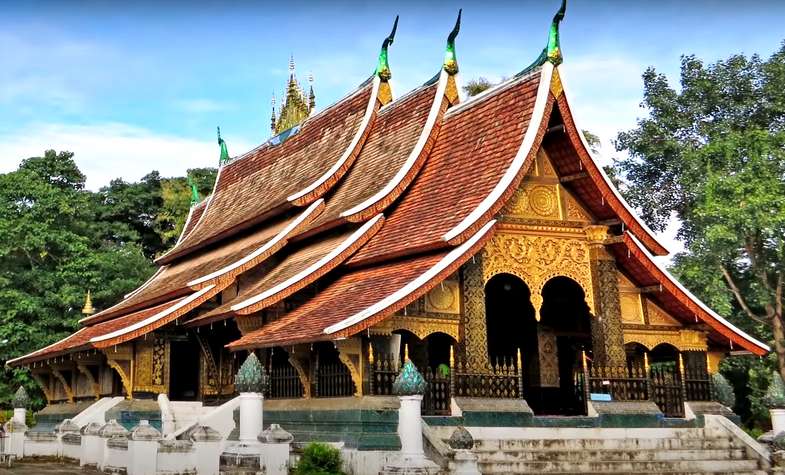
Wat Xieng Thong, perhaps the most stunning temple in Luang Prabang, was another must-photograph location. I spent hours wandering through its grounds, marveling at the intricate details of the architecture and observing the monks as they went about their daily routines. I focused on capturing their serene expressions, hoping to convey the sense of peace and tranquility that permeates the temple.
A Taste of Laos: The Local Food Scene
Beyond the visual delights, Luang Prabang also tantalized my taste buds. I revisited Mama Noi's street stall near the post office for her legendary Khao Soi. The rich, flavorful broth and the fresh herbs were just as I remembered, a comforting taste of Laos. I also discovered a family-run restaurant near the night market that served an incredible Or Lam, a traditional Lao stew. The owners were incredibly warm and welcoming, sharing stories about their family and their passion for Lao cuisine. For a caffeine fix with a conscience, I headed to Saffron Coffee, a social enterprise that supports local coffee farmers. The coffee was excellent, and the views of the rice paddies from the cafe were simply breathtaking.
The Lay of the Land: Rivers, Karsts, and Rice Paddies
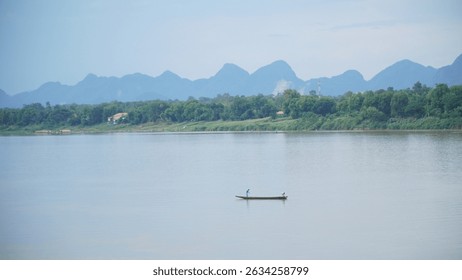
The landscape surrounding Luang Prabang is as captivating as the city itself. The meeting of the Mekong and Nam Khan rivers is a sight to behold, with the different colors of the water creating a striking contrast. The limestone karsts that rise majestically from the surrounding plains added a dramatic element to the scenery. I spent time exploring the rice paddies just outside Luang Prabang, trying to capture their vibrant green hues. The humid climate presented a challenge, requiring me to constantly clean my lens. I found that using a polarizing filter helped to reduce glare and enhance the colors, bringing out the lushness of the landscape.
The Mekong River, a lifeline of Southeast Asia, flows serenely past Luang Prabang, a timeless beauty amidst modern change.
Battling the Humidity: A Photographer's Challenge
The humid climate in Luang Prabang is a constant challenge for photographers. Lens fogging was a frequent issue, and I found myself constantly cleaning my lenses. I learned to keep silica gel packets in my camera bag to absorb moisture and to allow my equipment to acclimatize to the humidity before shooting. Patience, as always, was key.
Reflections on a Decade
Returning to Luang Prabang after a decade was a bittersweet experience. The city had changed, inevitably, but its essential charm remained. The saffron-robed monks, the ancient temples, the fragrant food, and the stunning landscape all contributed to its enduring appeal. As a photographer, I was captivated once again by its beauty, its culture, and its people. I leave with a renewed sense of hope for the future, trusting that Luang Prabang will find a way to balance development with the preservation of its unique cultural heritage, ensuring that its magic continues to enchant visitors for generations to come.