Lost in the Silence: My Atacama Desert Awakening...
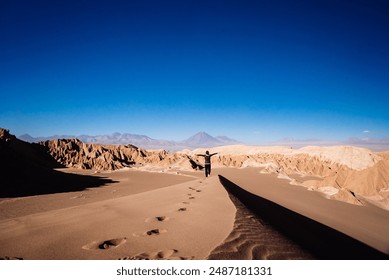
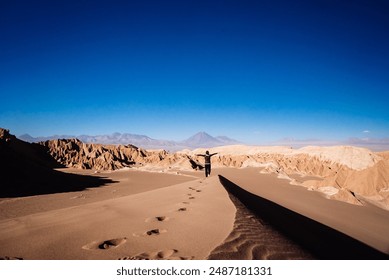
The Valle de la Luna, or Moon Valley, is unlike anywhere else on Earth. Stepping onto its surface feels like walking on another planet. A brittle salt crust crunches and creaks underfoot with each step, a sound that echoes eerily in the otherwise silent landscape. As the sun traverses the sky, the sand transforms from a pale, almost ghostly white in the morning, to deep oranges and reds in the afternoon, before settling into soft purples and blues at twilight. The wind has sculpted the salt and sand into bizarre geological formations, like hidden salt caves beckoning exploration and vast natural amphitheaters perfect for silent contemplation.
My recent journey to the Atacama Desert in Chile was nothing short of transformative. This wasn't just a vacation; it was an awakening to the raw, untamed beauty of our planet, a place where silence speaks volumes and the landscape etches itself onto your soul.
Stargazing in the Atacama: A Cosmic Revelation
The Atacama Desert is renowned as one of the best places in the world for stargazing. Its high altitude, dry air, and minimal light pollution create unparalleled conditions for observing the cosmos. Near San Pedro de Atacama, numerous tour operators offer stargazing experiences catering to all levels of interest, from casual observers to serious astronomy enthusiasts.
One of the most popular options is a guided tour that takes you to a private observatory. These tours often include high-powered telescopes and knowledgeable guides who can point out constellations, planets, and nebulae. Look for tours mentioning the SPACE Observatories, which boast excellent equipment and experienced astronomers. Many operators use Dobsonian telescopes (8-16 inches) to view deep-sky objects.
For a truly unique experience, consider booking a tour that offers access to the ALMA (Atacama Large Millimeter/submillimeter Array) observatory viewpoint. While direct visits to the ALMA observatory itself are highly restricted and require applications months in advance, several tours offer the next best thing: viewing the array from a designated high-altitude viewpoint. These tours usually depart in the late afternoon, allowing you to witness the sunset over the ALMA site before the stars emerge. Be prepared for extremely cold temperatures at this altitude (around 16,500 feet/5,000 meters), even in summer. Dress in multiple layers, including thermal underwear, fleece jackets, and a warm hat and gloves. Altitude sickness can also be a concern, so acclimatize yourself in San Pedro de Atacama for a day or two before attempting this tour. Many operators provide oxygen if needed.
Surviving the Atacama Desert requires preparation. Dehydration is a major risk, so drink plenty of water throughout the day. Sunscreen, sunglasses, and a hat are essential for protecting yourself from the intense sun. The dry air can also cause chapped lips and dry skin, so pack lip balm and moisturizer. And of course, a good camera to capture the otherworldly landscape.
The ALMA Observatory stands as a testament to humanity's quest for cosmic understanding. The vast, open landscape of the Atacama Desert provides an unparalleled canvas for astronomical observations, allowing the observatory's dishes to probe the universe's deepest secrets.
Adrenaline Rush: Sandboarding in Death Valley
Beyond stargazing, the Atacama Desert offers a range of adventure activities. One of the most exhilarating is sandboarding down the towering dunes of Death Valley (Valle de la Muerte).
Renting a sandboard in San Pedro de Atacama is easy and affordable. Most rental shops will provide basic boards, but you'll need to apply wax to the base to reduce friction and increase speed. For optimal performance, use a specialized board wax like Swix F4. Apply the wax liberally and evenly, especially on the edges of the board.
Climbing the dunes is a workout in itself, but the reward is worth it. Reaching the summit, you're greeted with panoramic views of the surrounding desert landscape. Strapping into the board, you feel a surge of adrenaline as you prepare to descend.
My first few runs were tentative, but I quickly gained confidence. The feeling of gliding down the steep slope, sand spraying behind me, was exhilarating. Then came the inevitable wipeout. I was attempting a turn when the board caught an edge, sending me tumbling head over heels down the dune. Sand filled my eyes, ears, and mouth. I emerged laughing, covered from head to toe in sand, but completely unscathed. That tumble became the highlight of the day – a testament to the freedom and unbridled joy of embracing the unexpected. The sun beat down mercilessly, and I was sure the sand would never come out of my clothes. But still, there I was, laughing.
A Taste of the Atacama: Exploring Local Cuisine
The Atacama Desert's cuisine is as unique and captivating as its landscape. One dish that truly embodies the flavors of the region is Patasca, a hearty stew traditionally made with slow-cooked hominy, various cuts of meat (often including llama or alpaca), and Andean herbs. The slow cooking process allows the flavors to meld together, creating a rich and satisfying meal that's perfect for a chilly desert evening.
Here's a simplified version of the recipe you can try at home:
Patasca (Atacama Stew)
Ingredients:
- 1 cup dried hominy
- 1 pound lamb or beef (cut into 1-inch cubes)
- 1 onion, chopped
- 2 cloves garlic, minced
- 1 red bell pepper, chopped
- 1 teaspoon cumin
- 1/2 teaspoon paprika
- 1/4 teaspoon oregano
- Salt and pepper to taste
- 4 cups beef broth
- Fresh cilantro, chopped (for garnish)
Instructions:
- Soak the hominy in water overnight.
- Drain the hominy and place it in a large pot with fresh water. Bring to a boil, then reduce heat and simmer for 2-3 hours, or until the hominy is tender.
- In a separate pot, brown the meat over medium-high heat. Remove the meat from the pot and set aside.
- Add the onion, garlic, and red bell pepper to the pot and sauté until softened.
- Stir in the cumin, paprika, oregano, salt, and pepper.
- Return the meat to the pot and add the beef broth. Bring to a boil, then reduce heat and simmer for 1-2 hours, or until the meat is tender.
- Add the cooked hominy to the pot and simmer for another 30 minutes, allowing the flavors to meld together.
- Garnish with fresh cilantro before serving.
For a more refined dining experience, visit Tierra Atacama hotel's restaurant, known for its innovative use of local ingredients. Their signature dish, a creamy quinoa risotto with a chañar (a local fruit) reduction, is a must-try. The sweetness of the chañar perfectly complements the earthy flavors of the quinoa, creating a truly unforgettable culinary experience.
Traditional Andean cuisine is a celebration of the region's unique flavors. Patasca, a hearty stew, embodies the essence of Atacameño cooking with its blend of slow-cooked meats, Andean herbs, and local grains, offering a taste of the desert's rich culinary heritage.
Cultural Immersion: Local Events and Festivals
The Atacama Desert is not just a place of natural beauty; it's also a region rich in culture and tradition. Throughout the year, several local events and festivals offer visitors a glimpse into the unique heritage of the Atacameño people.
One of the most exciting events is the "Andean Explorer" rally, an off-road race that challenges drivers to navigate the rugged desert terrain. While primarily a motorsport event, it brings a buzz to the region and offers a spectacle for spectators.
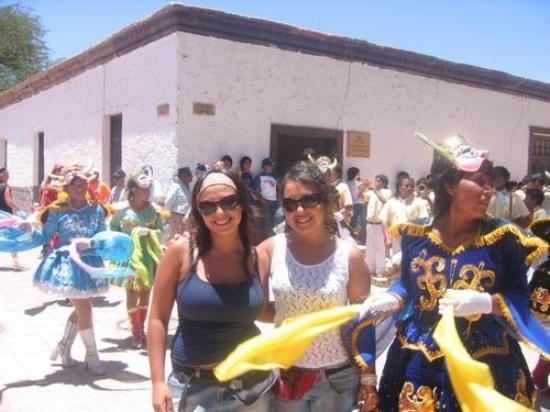
However, a truly immersive cultural experience awaits during the "Fiesta de la Candelaria" in San Pedro de Atacama. This religious festival, held annually in early February, celebrates the Virgin of Candelaria, the patron saint of miners. The streets come alive with vibrant music, traditional dances, and elaborate costumes. Witnessing the procession of dancers, adorned in colorful masks and intricately embroidered clothing, is an unforgettable sight. The music, played on traditional Andean instruments like panpipes and charangos, fills the air with a hypnotic rhythm. Participating in the "Fiesta de la Candelaria" is like stepping back in time, offering a profound connection to the region's cultural roots.
Finding Peace in the Silence
My journey through the Atacama Desert was more than just a trip; it was a profound experience that changed my perspective. The sheer silence of the desert, broken only by the creaking of salt flats or the whisper of the wind, was both unsettling and liberating. The stark, otherworldly landscapes, from the lunar valleys to the towering dunes, offered a stark contrast to the noise and chaos of everyday life. It was a place where I could disconnect from the digital world and reconnect with myself, finding clarity and peace in the vast emptiness. The Atacama Desert is a place that stays with you long after you've left, a reminder of the beauty and power of the natural world and the importance of finding silence in a noisy world. If you're looking for an adventure that will challenge you, inspire you, and leave you with a renewed sense of wonder, then the Atacama Desert awaits. Book your Atacama Desert tour with VistaLocation today!