Lost in the Limestone Labyrinth: My Unforgettabl...
Madagascar. The name conjures images of bizarre baobabs, playful lemurs, and untouched wilderness. I had dreamt of visiting this unique island nation for years, and finally, I made it. My destination? Tsingy de Bemaraha National Park, a UNESCO World Heritage site, and a place unlike any other on Earth. This travel guide covers how to visit Tsingy de Bemaraha and how to get the most out of your Madagascar adventure travel trip.
Entering Another World: The Geological Marvel of the Tsingy
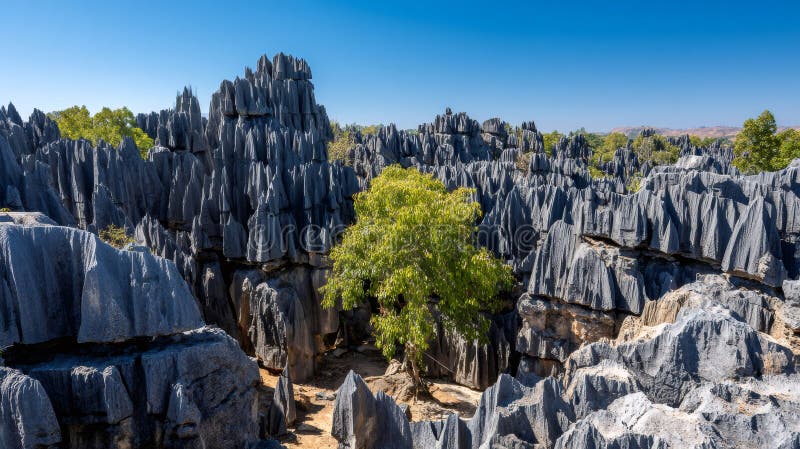
The word "Tsingy" translates to "where one cannot walk barefoot," and trust me, it’s an understatement. Imagine a forest not of trees, but of razor-sharp limestone karsts. Millions of years of erosion have sculpted this landscape into a surreal, almost alien environment. The jagged spires reach skyward, creating a natural fortress that feels both intimidating and breathtakingly beautiful. Tsingy de Bemaraha is truly a natural work of art, a testament to the power of time and the relentless forces of nature.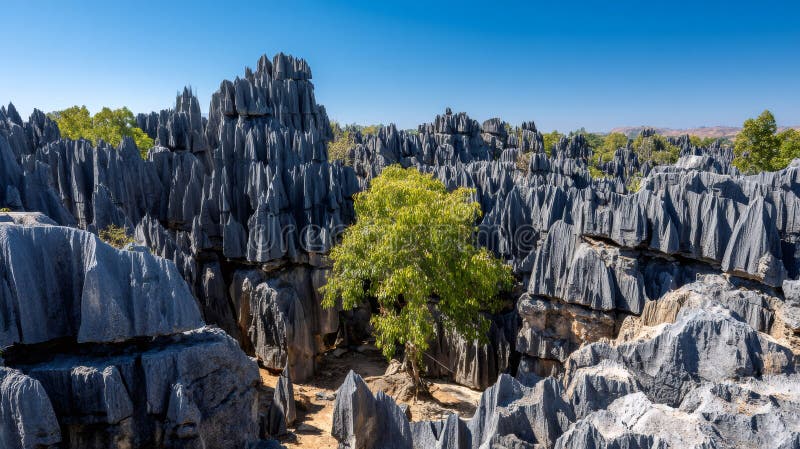
The park isn't just about the stone forest, though. Within its boundaries lies a diverse tapestry of ecosystems. Patches of dry deciduous forest provide refuge for a myriad of creatures, while lush wetlands teem with birdlife. It's a place of stark contrasts, where the harshness of the rock gives way to surprising pockets of life. This diversity is a key reason why is Tsingy de Bemaraha a UNESCO site? It represents a globally significant example of ongoing ecological processes.
Endemic Wonders: Madagascar's Unique Flora and Fauna
Madagascar is a biodiversity hotspot, and Tsingy de Bemaraha is no exception. Towering baobab trees, those iconic symbols of the island, dot the landscape. Their massive trunks and spindly branches are a sight to behold, and what is Tsingy de Bemaraha known for? Primarily its otherworldly landscape and these unique trees. Keep your eyes peeled for unique orchid species clinging to the rocks, their delicate blooms a splash of color against the gray stone. And of course, there are the lemurs!
Conquering the Tsingy: Via Ferrata and River Adventures
My adventure in Tsingy de Bemaraha was filled with unforgettable experiences. One of the highlights was tackling the Grand Tsingy using the via ferrata. This network of cables, ladders, and suspension bridges allowed me to safely navigate the most challenging parts of the park.
The climb was physically demanding, but the views were more than worth the effort. From the highest points, I could see the entire landscape stretching out before me, a sea of limestone peaks as far as the eye could see. The Grand Tsingy Via Ferrata is an exhilarating way to experience the park’s grandeur.
Another incredible adventure was exploring the Manambolo Gorge by pirogue, a traditional Malagasy canoe. Gliding along the river, I was surrounded by towering cliffs and lush vegetation. I spotted various bird species and even a crocodile sunning itself on the riverbank. A Manambolo Gorge pirogue tour offers a unique perspective of the park's beauty.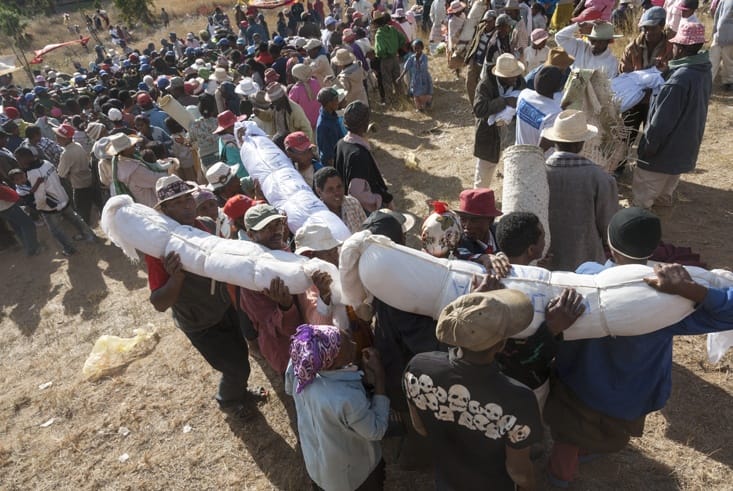
A Lemur Encounter: Spotting the Decken's Sifaka
Of all the wildlife encounters, spotting Decken's sifaka lemurs was particularly special. These acrobatic primates are endemic to western Madagascar, and their white fur and expressive faces are simply captivating. I watched as they leaped effortlessly from one tsingy spire to another, their movements graceful and precise. Finding Decken's Sifaka lemur is one of the best parts of the trip.
These lemurs have specialized adaptations to survive in this harsh environment. Their strong limbs and leathery hands and feet allow them to grip the sharp rocks with ease. Observing them in their natural habitat was a truly unforgettable experience.
A Taste of Madagascar: Flavors and Culinary Delights
My culinary journey in Madagascar was as enriching as my explorations of the Tsingy. I savored Romazava, a hearty beef stew flavored with ginger, garlic, and various greens – the perfect comfort food after a long day of hiking. I indulged in fresh grilled lobster, a true delicacy, and sampled Mofo Gasy (Malagasy bread) from street vendors, a sweet and satisfying treat.
To quench my thirst, I tried Three Horses Beer (THB), the local brew, and even ventured into the world of local rum, a potent and flavorful spirit. Trying the local cuisine is a must when you visit Tsingy de Bemaraha.
The Famadihana Ceremony: A Glimpse into Malagasy Culture
Venturing into the highlands, I had the opportunity to learn about the Famadihana ceremony, also known as the turning of the bones. This unique tradition involves exhuming the remains of ancestors, rewrapping them in fresh shrouds, and dancing with them to the music.
What is Famadihana? It is a celebration of life, family, and the enduring connection between the living and the dead.
The ceremony is a profound expression of love and respect for ancestors. Families gather to honor their deceased relatives, share stories, and strengthen their bonds. It's a powerful reminder of the importance of family and tradition in Malagasy culture.
It’s crucial to approach this practice with utmost respect. If you encounter a Famadihana ceremony, observe from a distance and avoid taking photographs without permission. This is how to have a respectful Famadihana ceremony travel experience.
Madagascar's Environmental Challenges: A Call to Action
Madagascar faces significant environmental challenges, particularly deforestation. The loss of forest cover has devastating consequences for lemur populations and the overall ecosystem. Deforestation leads to habitat loss, soil erosion, and decreased water quality, which affects the flora and fauna in Tsingy de Bemaraha deforestation impact.
Many organizations are working to combat deforestation and protect Madagascar's unique biodiversity. These efforts include reforestation projects, sustainable agriculture initiatives, and community-based conservation programs.
Embrace Responsible Ecotourism: Protecting Madagascar's Future
When visiting Madagascar, it's crucial to embrace responsible ecotourism practices. Support local conservation efforts by planting trees or donating to organizations dedicated to protecting lemurs and their habitat. Choose eco-friendly tour operators who prioritize sustainability and minimize their environmental impact.
How can I travel responsibly in Tsingy? By following guidelines of sustainability and eco-friendly practices.
Respect the local culture and environment by avoiding single-use plastics, properly disposing of waste, and being mindful of your impact on the delicate ecosystems. By traveling responsibly, you can help preserve Madagascar's unique biodiversity for future generations and promote Madagascar ecotourism.
My journey to Tsingy de Bemaraha was more than just a trip; it was an immersion into a world of unparalleled beauty and unique cultural traditions. This remarkable landscape, teeming with life, left an indelible mark on my soul. I urge you to consider Madagascar for your next adventure, and when you do, remember to travel responsibly, support local communities, and help protect this precious corner of our planet. Explore sustainable tourism options when booking tours.