Lord Howe Island: A Naturalist's Paradise Found...
Lord Howe Island. The name alone conjures images of pristine beaches, towering volcanic peaks, and a haven for unique wildlife. As a marine biologist and conservationist, I've dedicated my life to studying fragile ecosystems across the globe. Lord Howe Island, a UNESCO World Heritage site renowned for its exceptional biodiversity, has always been high on my list. Its isolated location, combined with its fascinating evolutionary history, makes it a living laboratory – a place where nature has crafted a truly singular tapestry of life. My recent research trip, combined with a leisure stay, provided an unparalleled opportunity to delve into the island's wonders and witness firsthand the inspiring commitment of its community to conservation. I was especially keen to examine its endemic species and understand how this natural paradise is being protected. Get ready to discover a destination that will leave you breathless and renew your appreciation for the natural world.
Arrival and First Impressions
The arrival on Lord Howe Island is an experience in itself. The QantasLink flight from mainland Australia gently touches down on a small airstrip, instantly transporting you to a world apart. The island's scale is immediately apparent – a mere 11 kilometers long and less than 3 kilometers wide. The limited number of vehicles (a maximum speed limit of 25 km/h!) and the relaxed pace of life create an instant feeling of stepping back in time. This is a place where nature reigns supreme. As I stepped onto the tarmac, a wave of tranquility washed over me. The air was clean and crisp, carrying the scent of the ocean and lush vegetation. I felt an instant connection with the landscape, a sense of belonging that resonated deep within my soul.
Mount Gower Ascent
One of the highlights of my trip was the guided hike up Mount Gower, the island's highest peak. I joined Jack Shick, a local guide whose knowledge of the island's flora and fauna is unparalleled. The trek is challenging, to say the least. We began our ascent through subtropical rainforest, marveling at the towering Kentia palms (Howea forsteriana) that dominate the landscape.
As we climbed higher, the vegetation transitioned into a mystical cloud forest, shrouded in mist and teeming with endemic life. We were fortunate enough to spot the Dryococelus australis, the Lord Howe Island stick insect, a species once thought to be extinct. Seeing this incredible creature, clinging to a branch, was a truly humbling experience. We also observed the Streblorrhiza speciosa, a rare flowering plant found nowhere else on Earth. Navigating the cloud forest required using ropes to ascend steep sections, adding to the adventure.
Reaching the summit was an incredible reward. The panoramic views were breathtaking, stretching across the entire island and out to the endless expanse of the Pacific Ocean. The summit itself is a unique environment, home to miniature ferns and mosses that thrive in the constant cloud cover. This isolated ecosystem felt like a world unto itself, a testament to the power of evolution in shaping unique life forms.
Ned's Beach Encounter
Ned's Beach is a must-visit for anyone traveling to Lord Howe Island. This sheltered bay is renowned for its crystal-clear waters and abundant marine life. One of the most popular activities is hand-feeding the fish that congregate close to shore. As I waded into the water, I was immediately surrounded by silver drummer fish (Kyphosus sydneyanus) and spangled emperor (Lethrinus nebulosus).
The feeling of having dozens of fish swarm around my legs, gently nibbling at my hands, was both exhilarating and slightly unnerving! While this practice is undeniably popular, it's crucial to consider its sustainability. Local authorities are actively educating visitors about responsible interaction with marine life, emphasizing the importance of using designated fish food and avoiding any disturbance to the natural environment.
Coral Reef Exploration
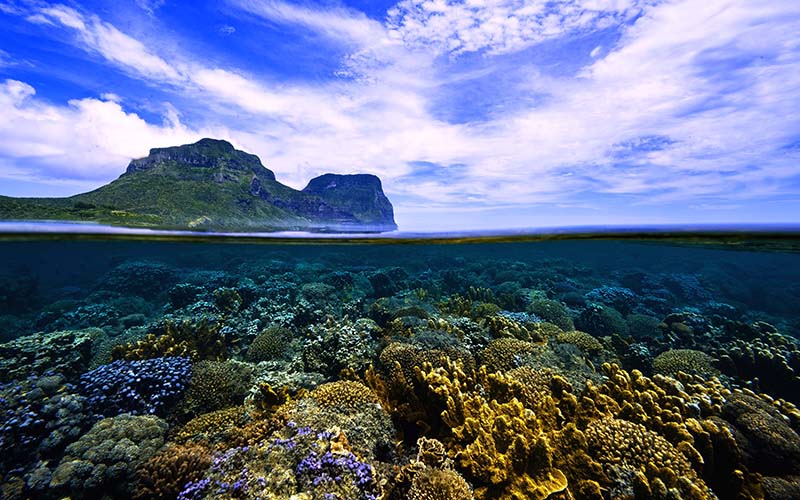
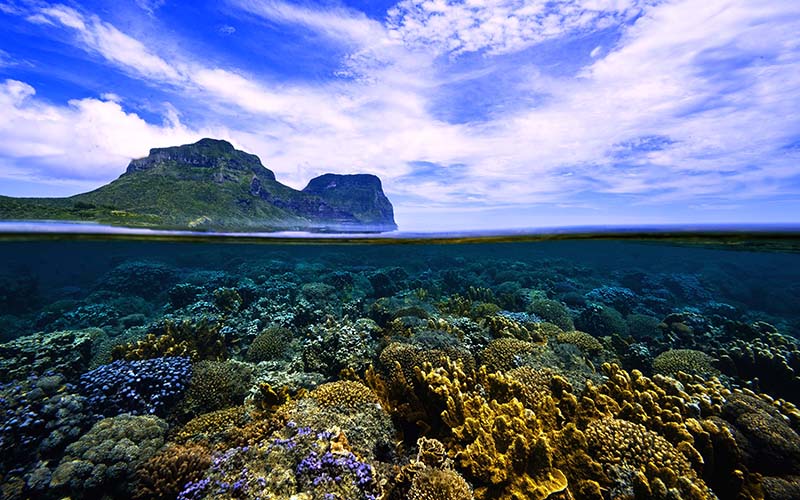
Lord Howe Island boasts the world's southernmost coral reef, a vibrant ecosystem teeming with marine life. A snorkeling trip to Erscott's Hole provided a fantastic opportunity to explore this underwater wonderland. I observed a variety of coral species, including Acropora, Pocillopora, and Montipora, forming intricate structures that provide habitat for countless creatures. Amongst the coral, I encountered the double-header wrasse (Coris bulbifrons) with its striking coloration, and was fortunate enough to spot a majestic green sea turtle (Chelonia mydas) gracefully gliding through the water.
Sadly, this precious reef faces significant threats from warming ocean temperatures, leading to coral bleaching. It's imperative that we support local conservation initiatives aimed at mitigating these impacts and protecting the reef for future generations. Responsible tourism, minimizing our carbon footprint, and supporting marine conservation organizations are crucial steps we can all take.
Lord Howe Island Museum Visit
A visit to the Lord Howe Island Museum is essential for understanding the island's natural and cultural history. One exhibit that particularly resonated with me detailed the history of the rodent eradication program. It's difficult to imagine the devastating impact that rats had on the native species, decimating populations of birds, insects, and plants.
I was surprised to learn the extent of the damage caused by the rat population before their eradication. The museum showcased the collaborative effort between the community and scientists to implement the program, highlighting the challenges and ultimate success of this ambitious undertaking. This serves as a powerful example of what can be achieved through collective action and scientific innovation.
Dinner at Anchorage Restaurant
After a day of exploring, I indulged in a delicious dinner at Anchorage Restaurant. The open-air setting, with the sound of the waves lapping against the shore and the view of the lagoon at sunset, created a truly magical ambiance. I tried the locally caught kingfish, prepared grilled with sea parsley and a lemon myrtle dressing – a culinary delight that showcased the island's fresh, local produce. The restaurant's commitment to sustainable sourcing and its efforts to support local fishermen are commendable. It's comforting to know that you can enjoy a delicious meal while also contributing to the island's sustainable economy.
Stargazing Experience
The absence of light pollution on Lord Howe Island makes it a stargazer's paradise. I spent an evening at Blinky Beach, marveling at the breathtaking beauty of the night sky. The Southern Cross, the Magellanic Clouds, and the Milky Way were visible in stunning clarity. I even attempted astrophotography using a long-exposure technique, although the humidity and dew presented some challenges. Nevertheless, the experience of witnessing the cosmos in such pristine conditions was unforgettable.
Conservation Efforts
Lord Howe Island stands as a beacon of hope for conservation. The success of the rodent eradication program is a testament to the power of scientific intervention and community collaboration. The positive impact on the native bird populations is remarkable, particularly the increase in the numbers of the Providence Petrel (Pterodroma solandri).
However, ongoing challenges remain. Managing tourist impact and preventing the introduction of invasive species are crucial. The biosecurity measures in place at the airport are essential for protecting the island's delicate ecosystem. Educating visitors about responsible tourism practices is also paramount. It is all of our responsibility to respect the island's natural environment and minimize our environmental footprint.
Woodhen Encounter
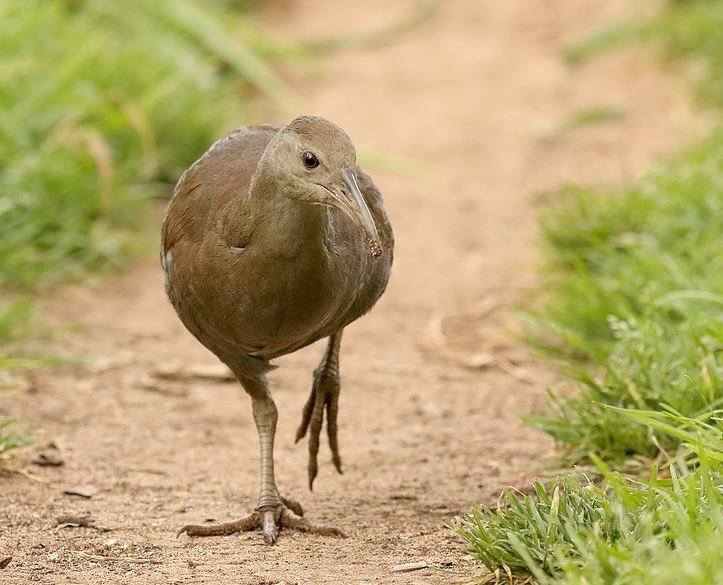
One of the most rewarding experiences of my trip was a guided birdwatching tour with Ian Hutton, a renowned expert on Lord Howe Island's birdlife. Our focus was the endemic Woodhen (Gallirallus sylvestris), a flightless bird that was once on the brink of extinction. Observing this fascinating creature foraging in the forest was a true privilege.
The Woodhen faced near extinction in the 1970s due to habitat loss and predation by introduced species. A successful captive breeding program saved it from oblivion, highlighting the importance of proactive conservation measures. While the Woodhen population has rebounded significantly, it still faces challenges, emphasizing the need for continued monitoring and habitat protection.
Lessons from Lord Howe
Lord Howe Island has left an indelible mark on me. The commitment of the local community to conservation is truly inspiring. This island is a blueprint for how humans and nature can coexist sustainably. The key lies in respecting the environment, minimizing our impact, and supporting conservation initiatives. As travelers, we have a responsibility to be mindful of our footprint and to choose destinations that prioritize sustainability. By doing so, we can help protect these precious ecosystems for future generations. Lord Howe Island is not just a destination; it's a lesson in responsible stewardship and a reminder of the importance of preserving our planet's natural wonders.