Lord Howe Island: A Marine Biologist's Perspecti...
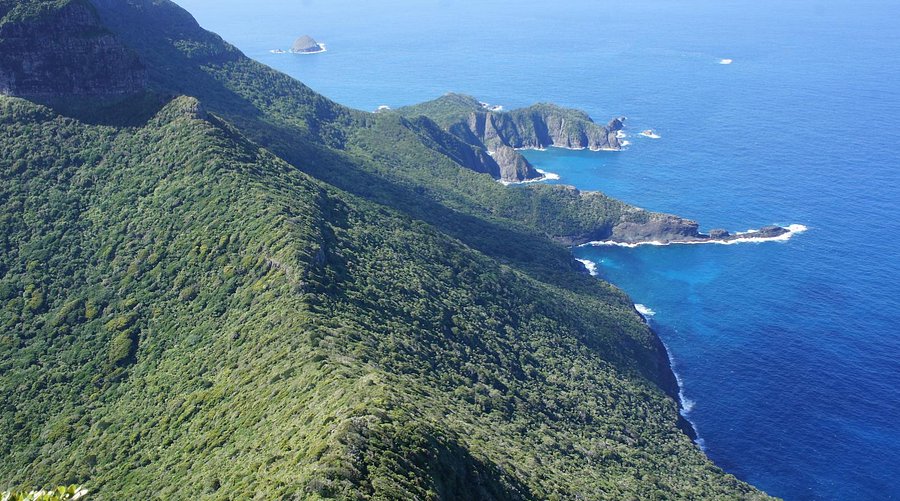
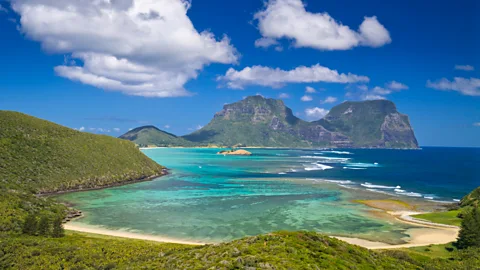
The first glimpse of Lord Howe Island is breathtaking, a scene etched forever in my memory. As the small plane banked, the view unfolded: a mesmerizing turquoise lagoon embraced by the deep, sapphire blue of the vast Pacific Ocean. The twin sentinels of Mount Gower and Mount Lidgbird rose majestically, their verdant slopes a vibrant contrast against the surrounding azure. Even before landing, I knew this was a special place, a sanctuary seemingly untouched by the modern world. But as a marine biologist specializing in coral reef conservation, I also knew I would be looking beyond the surface beauty to understand the impact of climate change on Lord Howe Island reefs. I was ready to begin my two-week research trip, to witness firsthand the wonders and challenges facing this UNESCO World Heritage site. My mission: assessing the health of the Lord Howe Island coral reefs and contributing to the ongoing Lord Howe Island marine conservation efforts.
First Impressions: Pristine Beauty and Sustainable Commitment
Stepping onto Lord Howe Island felt like entering a different world. The air was clean and crisp, the pace relaxed, and the sense of community palpable. I was immediately impressed by the island's commitment to sustainability. Cars are limited, encouraging cycling and walking, and single-use plastics are actively discouraged. This dedication to preserving the natural environment is deeply ingrained in the island's culture, a testament to the residents' understanding of their role as custodians of this precious ecosystem. I felt truly welcomed, and ready to experience sustainable tourism Lord Howe Island style.
Exploring the Underwater World: A Snorkeling Tour with a Purpose
One of my first activities was a guided snorkeling tour of the island's reef. The waters around Lord Howe Island boast an extraordinary array of marine life, a meeting point for tropical and temperate species. Plunging into the clear waters, I was immediately surrounded by a kaleidoscope of colors. Schools of fish darted amongst the vibrant coral formations. I spotted the endemic double-header wrasse (Coris bulbifrons), a species found nowhere else on Earth, its bright blue and orange markings a striking sight.
However, amidst the beauty, I also observed signs of coral bleaching. Patches of coral, once vibrant with life, were now pale and ghostly white. This is a stark reminder of the Lord Howe Island climate change impact I've come to study. Rising sea temperatures are stressing the coral, causing them to expel the algae that give them color and nutrients. If the stress persists, the coral can die.
As a scientist, it's my responsibility to understand the extent of the damage and contribute to finding solutions. During my research, I employed underwater visual census (UVC) techniques. This involves diving or snorkeling along a defined transect and visually identifying and counting the different species of fish and coral. By comparing these data to historical records, we can assess changes in coral health and fish populations over time. It's a meticulous process, but crucial for monitoring the health of the reef and informing conservation strategies.
Hiking Mount Gower: A Journey into a Lost World
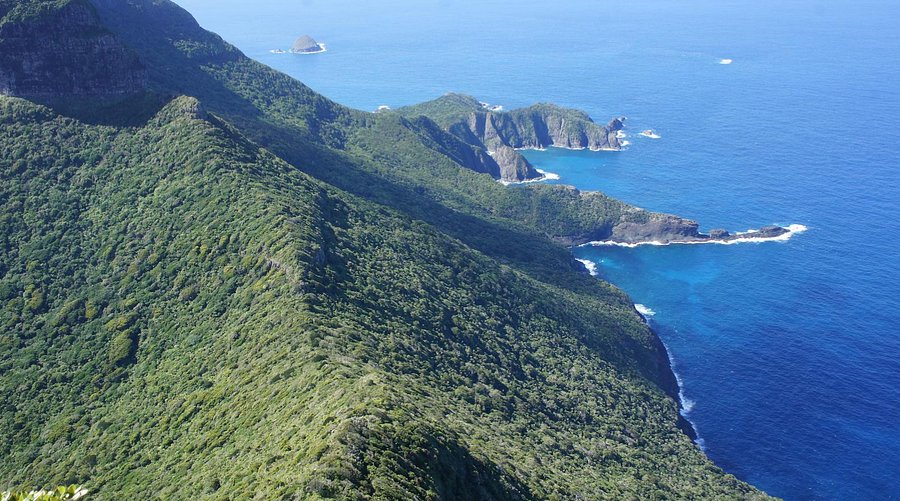
Beyond the reef, Lord Howe Island offers a diverse range of ecosystems. I embarked on a challenging but incredibly rewarding hike to the summit of Mount Gower, accompanied by a local guide. The climb is steep and demanding, but the reward is well worth the effort. As we ascended, the vegetation changed dramatically, transitioning from lush rainforest to a unique cloud forest ecosystem.
Here, the trees are draped in moss and ferns, creating an ethereal, otherworldly atmosphere. I encountered numerous endemic plant species, including the Lord Howe Island wood rose (Hibiscus insularis), its delicate white flowers a symbol of the island's unique flora. This hike drove home the interconnectedness of the island's ecosystems. The health of the forest directly impacts the health of the reef, as runoff from the land can affect water quality. Protecting the island's biodiversity from threats such as invasive species is paramount.
Delving into History and Conservation at the Lord Howe Island Museum
A visit to the Lord Howe Island Museum provided valuable context to my research. The exhibits detail the island's fascinating history, from its discovery and settlement to the evolution of its unique fauna. I learned about the flightless woodhen, brought back from the brink of extinction through dedicated conservation efforts. The museum also highlighted the ongoing efforts to protect the island's biodiversity, including programs to control invasive species and monitor the health of the reef. Learning the history underscored the importance of Lord Howe Island marine conservation.
Sustainable Food Practices: Nourishing the Island Ecosystem
Lord Howe Island's commitment to sustainability extends to its food practices. I was impressed by the emphasis on locally sourced ingredients and waste reduction. At a local restaurant, I savored grilled kingfish, caught fresh from the surrounding waters. The salads were bursting with flavor, made with vegetables grown on the island. The community actively works to minimize food waste through composting and other initiatives. These Lord Howe Island sustainability practices not only contribute to the health of the island's ecosystem but also enhance the dining experience, creating a deeper connection to the land and sea.
Contributing to Science: Citizen Science on Lord Howe Island
Beyond my research, I also participated in Lord Howe Island citizen science activities, monitoring the populations of providence petrels. These seabirds nest on the island, and their numbers are an indicator of the overall health of the marine environment. By counting nesting birds and recording their breeding success, we can gather valuable data to inform conservation management. Tourists can also contribute to these efforts, participating in guided birdwatching tours and reporting sightings of marine life. Learning how to participate in citizen science on Lord Howe Island is easy and rewarding.
A Call to Action: Protecting Paradise
My two weeks on Lord Howe Island were an unforgettable experience, a blend of personal wonder and scientific observation. I witnessed the island's extraordinary beauty, its unique biodiversity, and its unwavering commitment to sustainability. But I also saw the threats posed by climate change, particularly the impact of climate change on Lord Howe Island reefs.
The future of this paradise depends on our collective action. I urge you to visit Lord Howe Island responsibly, supporting eco-tourism initiatives and respecting the island's delicate environment. Advocate for policies that address climate change and protect coral reefs worldwide. Every action, no matter how small, can make a difference. Let us work together to preserve this unique destination for generations to come. Consider donating to coral reef conservation Lord Howe Island via a reputable organization or booking sustainable snorkeling tours Lord Howe Island. The time to act is now.