Lord Howe Island: A Marine Biologist's Perspecti...
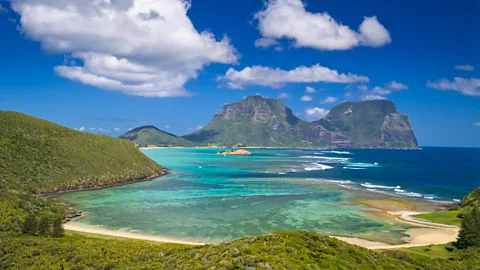
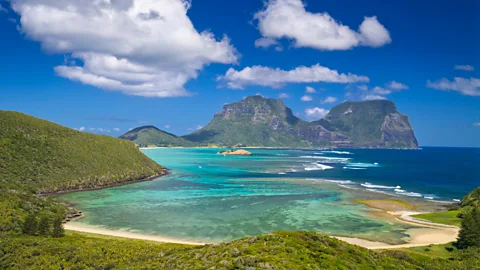
As the plane descended towards Lord Howe Island, the twilight deepened. Looking out the window, the lagoon shimmered not just with reflected light, but with a breathtaking, ethereal bioluminescence. Tiny sparks flickered in the dark water, creating an unforgettable welcome I later discovered was caused by disturbed dinoflagellates. This initial experience perfectly encapsulated the magic and unique ecological wonders that awaited me on this remote island paradise. As a marine biologist, I was eager to explore the diverse marine life, witness the unique flora and fauna, and understand the challenges facing this delicate ecosystem. My recent trip to Lord Howe Island surpassed all expectations, offering a blend of stunning natural beauty and a stark reminder of the importance of conservation. The marine life of Lord Howe Island is unlike anything I've seen.
Seabird Week and the Plight of the Flesh-footed Shearwaters
One of the highlights of my visit was attending a presentation during Seabird Week. The focus was on the devastating impact of plastic ingestion on Flesh-footed Shearwaters, a species that breeds on Lord Howe Island. The presenter shared some alarming statistics: a significant percentage of chicks were found with plastic in their stomachs, often leading to malnutrition and death. It was a sobering reminder of the pervasive nature of plastic pollution and its far-reaching consequences. The presenter’s impassioned call for reduced single-use plastic consumption resonated deeply. It is evident that protecting Lord Howe Island Marine Life requires a global effort to reduce plastic waste.
Exploring the Reef: Spangled Emperors and Bigeye Trevally at Ned's Beach
Snorkeling in the crystal-clear waters of Ned's Beach was incredible. Schools of spangled emperor (Lethrinus nebulosus) and bigeye trevally (Caranx sexfasciatus) swarmed around me, eagerly anticipating the offered food pellets. I observed how the spangled emperors used their strong jaws to graze algae off the rocks, while the bigeye trevally were more opportunistic, darting for pellets as they floated down. The experience offered a fascinating glimpse into the feeding behaviors and interactions of these fish species. This is one place where you can view the best of the Lord Howe Island Coral Reef.
Spangled emperor at Ned's Beach. Camera settings: Underwater housing, ISO 200, f/5.6, 1/250th second shutter speed to freeze the fish's movement.
Mount Gower and the Towering Negatarere
The dense, humid forests of Mount Gower offered a glimpse into a lost world. While the elusive Lord Howe Island Phasmid remained hidden despite my best efforts, the towering tree ferns of the negatarere (Cyathea howeana) captivated me. Their intricate fronds reached for the sky, creating a cathedral-like atmosphere. The unique texture of their trunks, covered in scales, was fascinating to observe up close. Hiking the Mount Gower hike Lord Howe Island is an incredible experience for any nature lover.
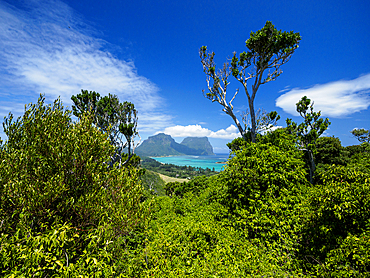
Negatarere on Mount Gower. Camera settings: ISO 400, f/8, using natural light to showcase the plant's texture.
A Culinary Delight: Pan-Fried Kingfish at Thompson's General Store
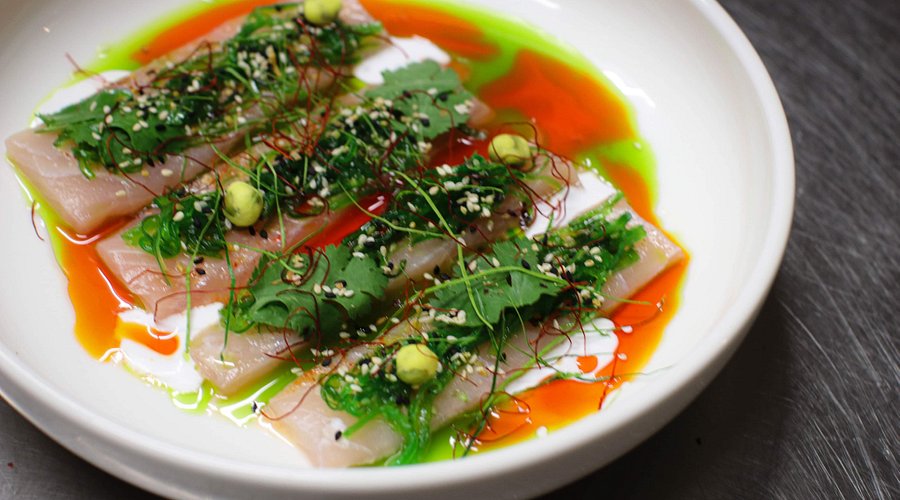
Thompson's General Store restaurant provided a culinary highlight with their pan-fried kingfish with macadamia nut crust, served with a lemon myrtle infused butter sauce. The kingfish was incredibly fresh, and the macadamia nut crust added a delightful crunch and nutty flavor. I especially appreciated that they prioritize sourcing ingredients locally and utilize sustainable fishing methods. This is a perfect example of sustainable tourism Lord Howe Island.

Pan-fried kingfish at Thompson's General Store. Camera settings: ISO 800, f/2.0, available light to capture the dish's colors and textures.
Delving into the Island's Past: The Lord Howe Island Museum
The museum's geological display was particularly fascinating. A large rock sample, clearly exhibiting the island's volcanic origins, captured my attention. The layered strata, formed over millions of years, spoke volumes about the island's tumultuous past. The interactive map showing the underwater volcanic platform added a great layer of depth and story. The geological features are one reason why Lord Howe Island is a UNESCO World Heritage site.
Concerns for the Future: Coral Bleaching
While the waters around Lord Howe Island were teeming with life, I couldn't help but notice signs of coral bleaching in certain areas. The vibrant colors of the reef were muted in places, a stark reminder of the impact of climate change. I wondered about the long-term resilience of this unique ecosystem. How is Lord Howe Island protecting its coral reefs? Further research and stringent conservation efforts are desperately needed.

Coral Bleaching at Lord Howe Island. Camera Settings: Underwater housing, ISO 200, f/5.6, 1/250th second shutter speed, focus on bleached coral.
The Magic of Bioluminescence: A Nighttime Spectacle
On one particularly memorable evening, I ventured out to witness the bioluminescence firsthand. Kayaking in the lagoon after dark, I was surrounded by a galaxy of tiny, shimmering lights. Each paddle stroke created a swirl of these luminous organisms, turning the water into a living canvas. It was an unforgettable experience, a testament to the hidden wonders that thrive beneath the surface of this extraordinary island. Bioluminescence kayak tour Lord Howe Island is a must-try!
Bioluminescence in the lagoon at dusk. Camera settings: ISO 6400, f/2.8, 2-second exposure to capture the faint light.
Protecting Paradise: A Call to Action
Lord Howe Island is a precious natural treasure, but it faces numerous challenges, including plastic pollution and climate change. The Lord Howe Island marine park regulations are essential, but more support is needed. Consider donating to the Lord Howe Island Board Environment Trust to support their ongoing conservation efforts: [Insert Link Here]. Your contribution, no matter the size, can help ensure that this paradise remains vibrant and healthy for generations to come. Let's work together to safeguard this unique island ecosystem.