Lord Howe Island: A Marine Biologist's Perspect...
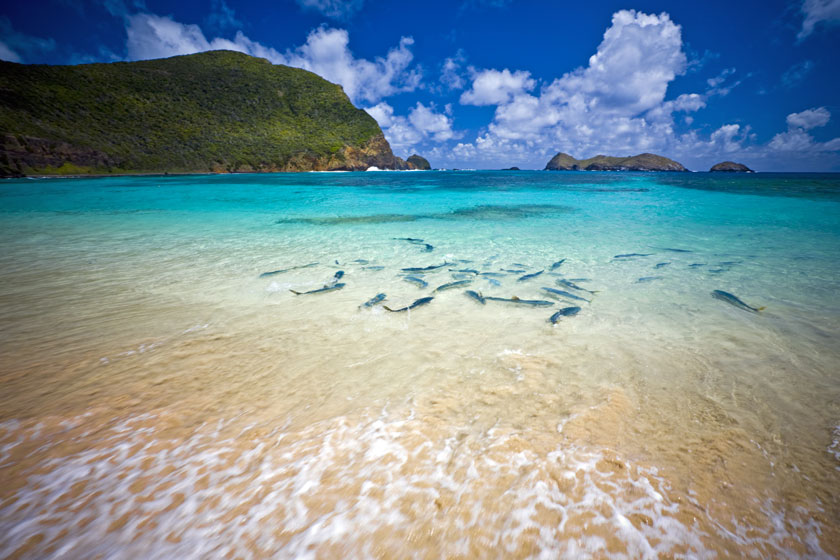
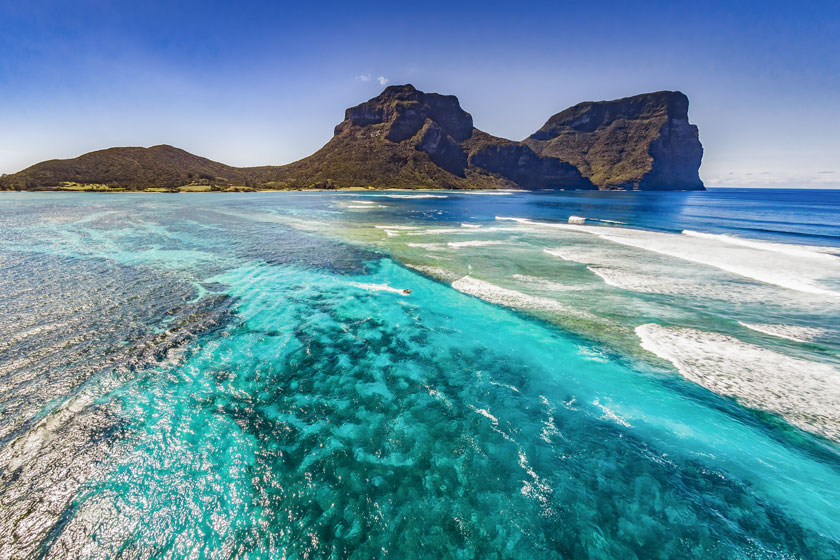
The little plane banked sharply, offering a breathtaking panorama. Turquoise waters, shimmering under the caress of the early morning sun, gave way to the emerald green slopes of Lord Howe Island. The iconic double peak of Mount Gower and Mount Lidgbird rose majestically, piercing the sky. As we touched down, a palpable sense of tranquility washed over me. The air, thick with the salty tang of the ocean and the earthy fragrance of the subtropical forest, transported me to another world – a world I’d been studying and dreaming of visiting for years. My name is Dr. Anya Sharma, and as a marine biologist specializing in seabird conservation, Lord Howe Island has always been more than just a dot on the map; it’s a beacon of hope in the often-bleak landscape of environmental conservation. This trip, a combination of personal leisure and preliminary research on the Wedge-tailed Shearwater population, was a chance to witness firsthand the remarkable success story unfolding on this precious island.
An Encounter at Ned's Beach: More Than Just a Feeding Frenzy
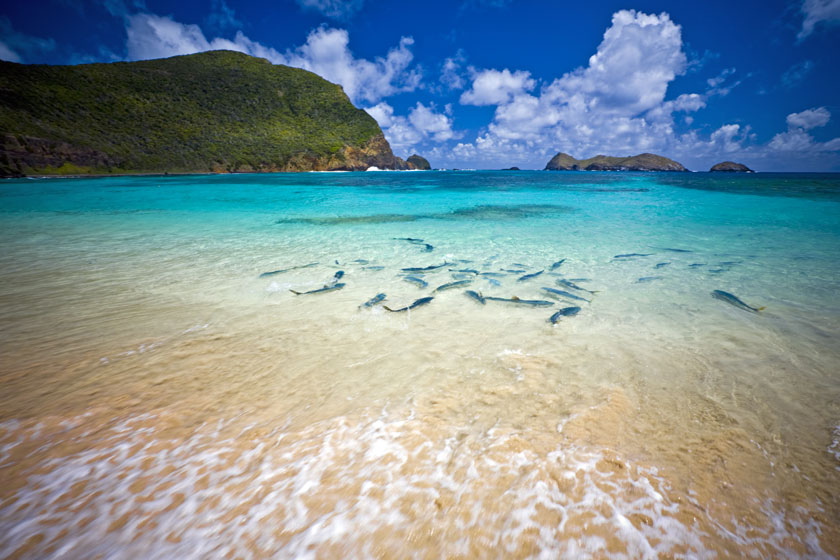
Ned's Beach is renowned for its friendly inhabitants, and my experience there was nothing short of magical. Wading into the crystal-clear shallows, I was immediately surrounded by curious Kingfish. Hand-feeding these magnificent creatures was an unforgettable experience. Their scales shimmered in the sunlight – some with an iridescent sapphire sheen, others with a sun-kissed amber glow. It's easy to understand why this location is so popular for visitors, but it's important to remember to be mindful of the marine environment.
Conquering Mount Gower: A Botanist's Dream and a Breathtaking View
The hike to the summit of Mount Gower is not for the faint of heart, but the reward is immeasurable. I was fortunate to have Jack Shick from Lord Howe Island Environmental Tours as my guide. His knowledge of the island’s flora and fauna is encyclopedic. The trail winds through a breathtaking array of plant life, including endemic palms and ferns that seem to drip with moisture. Near the summit, we entered the "ghost forest," an ethereal landscape shrouded in mist and adorned with moss. Reaching the top, the panoramic view was simply stunning. The entire island lay before me like a living map, a testament to the power and beauty of nature.
A Taste of Lord Howe: Locally Sourced Delights
Food is an integral part of any travel experience, and on Lord Howe Island, it’s a celebration of local produce. Dinner at the Anchorage Restaurant was a highlight. The locally caught Kingfish, prepared with a delicate lemon-herb crust, was exquisite. The side dish of native greens, harvested from a local farm, offered a distinct flavor profile – peppery and slightly bitter, a unique taste of the island's terroir. And breakfast? The homemade fig jam, made from figs grown in a local orchard, was a textural and aromatic delight. The subtle sweetness and delicate figgy fragrance made for a perfect start to the day.

The Rodent Eradication: A Conservation Triumph
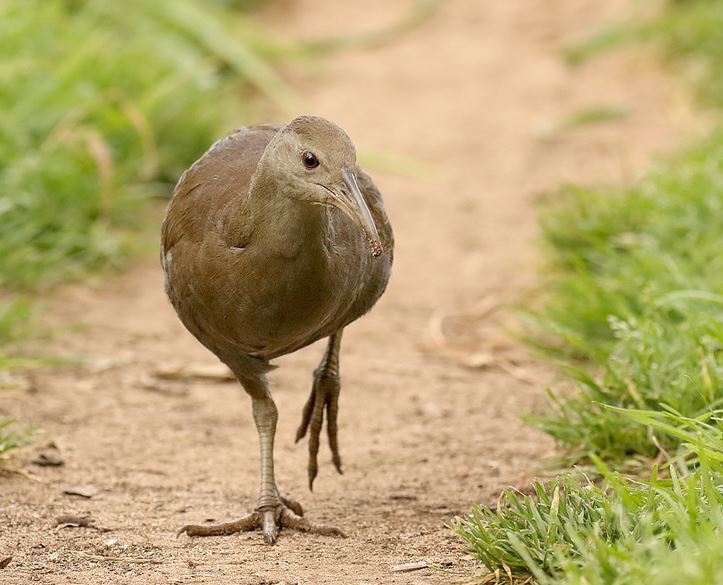
One of the most inspiring aspects of Lord Howe Island is its commitment to conservation. I attended a presentation by the Lord Howe Island Board detailing their successful rodent eradication program. The impact of this program on the island's ecosystem has been nothing short of transformative. The resurgence of native bird populations, especially the Lord Howe Island Woodhen, is a testament to the power of targeted conservation efforts. To see these birds thriving after being on the brink of extinction is truly remarkable.
Wandering Through the Banyan Forests: A Journey Back in Time
Walking through the ancient Banyan forests was like stepping back in time. The intricate network of aerial roots, the dappled sunlight filtering through the dense canopy – it was a truly awe-inspiring experience. The sheer scale and complexity of these ancient trees is humbling, a reminder of the enduring power of nature.
Sustainable Practices: A Model for Responsible Tourism
Throughout my visit, I was impressed by the sustainable tourism practices in place on Lord Howe Island. The limited number of visitors allowed at any given time ensures minimal impact on the environment. The emphasis on locally sourced food supports the local economy and reduces the carbon footprint associated with transportation. The community's commitment to preserving the natural environment is evident in every aspect of island life, from the use of electric vehicles to the comprehensive waste management programs.
Lord Howe Island: A Beacon of Hope
Lord Howe Island is more than just a beautiful destination; it's a model for conservation tourism. It demonstrates that it is possible to balance economic development with environmental protection. The success of the rodent eradication program, the thriving native species, and the commitment to sustainable practices all serve as an inspiration. We can all play a role in supporting destinations that prioritize environmental protection. I urge you to consider donating to the Lord Howe Island Board's conservation fund: http://www.lhib.nsw.gov.au/. Choose responsible travel options when planning your next vacation, and educate yourself about the importance of biodiversity conservation. Let's work together to create a more sustainable future for our planet.
