Lord Howe Island: A Marine Biologist's Love Lett...
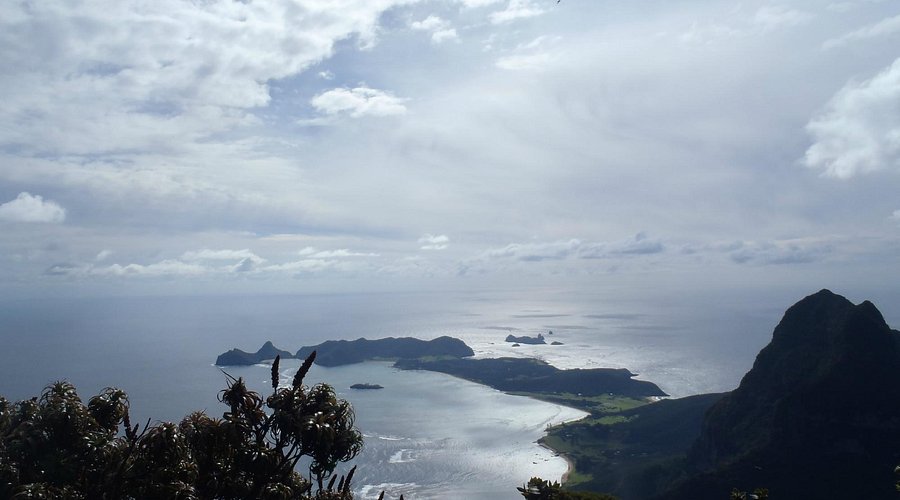
As the tiny aircraft banked, preparing its descent, Lord Howe Island materialized from the vast expanse of the turquoise Pacific like a vibrant emerald dream. The mid-morning sun cast long shadows from the imposing volcanic peaks of Mount Gower and Mount Lidgbird across the tranquil lagoon, creating a stunning contrast with the lush green vegetation blanketing the lower slopes. Anticipation bubbled within me, a heady mix of scientific curiosity and awe. The faint, rhythmic whoosh of the waves below, punctuated by the occasional screech of a White Tern circling overhead, was the island's unique welcome song. This remote paradise, a UNESCO World Heritage Site, was about to reveal its secrets, and I, a marine biologist on a research sabbatical, was eager to listen. This trip wasn't just about data; it was about witnessing firsthand the delicate balance between nature and conservation, a balance Lord Howe Island is striving to perfect. My mission: to dive deep into Lord Howe Island's marine conservation and uncover the scientific research efforts underpinning its sustainability.
The Alarming Reality of Microplastics: Seabird Week Insights
Seabird Week, a highlight of the Lord Howe Island calendar, provided a sobering introduction to the challenges faced by the island's wildlife. Dr. Jennifer Lavers' presentation on microplastic ingestion in Wedge-tailed Shearwaters was particularly impactful. Her findings highlighted the alarming prevalence of nurdles – those small plastic pellets used in manufacturing – found in the stomachs of these seabirds. But the story didn't end there. Dr. Lavers also detailed the bioaccumulation of phthalates (plasticizers) in the birds' tissues, demonstrating how these chemicals, leached from ingested plastic, are accumulating up the food chain. One image seared into my memory was a projected photograph of a Shearwater chick, eyes wide with distress, struggling to regurgitate a clump of brightly colored plastic. This graphic illustration served as a stark reminder of the direct link between our consumption habits and the health of these magnificent seabirds. How is climate change affecting Lord Howe Island's fish populations? The answer is complex, but research like this is vital to understanding the impact of human waste. This evidence underscores the urgent need for more robust Lord Howe Island biosecurity measures, to protect its vulnerable wildlife from the effects of globalization.
The island's commitment to sustainability is evident in its efforts to reduce plastic waste, promote recycling, and educate visitors about responsible tourism. It is important to know what the biggest threat to Lord Howe Island’s reef ecosystems is. In essence, the problem comes from both near and far. Every discarded plastic bottle, every lost fishing net, contributes to the pollution that ultimately impacts these birds.
Ned's Beach: A Kaleidoscope of Color and Conservation
Snorkeling at Ned's Beach is an experience that truly embodies the wonders of the island. The water clarity is astounding, often exceeding 20 meters, offering unparalleled visibility into a vibrant underwater world. But it wasn't just the abundance of colorful fish that captivated me; it was the opportunity to observe the fascinating Ophthalmolepis lineolata, or Maori Wrasse, in their natural habitat. From the electric blue juveniles darting amongst the coral to the mottled orange and green of the mature adults, their vibrant color variations are mesmerizing. The Maori Wrasse plays a crucial ecological role, feeding on small invertebrates and algae, effectively keeping the reef clean and healthy. This is one of the reasons why Lord Howe Island is so important for biodiversity conservation.
As sunlight streamed through the crystal-clear water, it refracted off the scales of these magnificent fish, creating a dazzling spectacle of light and color. It was a privilege to witness their intricate behaviors and appreciate their vital role in maintaining the delicate balance of the reef ecosystem. You can participate in snorkeling eco tours to observe these creatures in a safe and responsible way!
Scaling Mount Gower: A Rare Botanical Treasure
The ascent of Mount Gower is not for the faint of heart, but the rewards are immeasurable. The challenging climb takes you through a diverse range of ecosystems, from lush rainforest to mist-shrouded cloud forest. As I neared the summit, battered by the relentless wind, I was thrilled to discover a rare Olearia moorei shrub clinging tenaciously to the exposed ridge. The plant's leathery, silver-grey leaves are an adaptation to the harsh conditions, reflecting sunlight and minimizing water loss. Tiny native bees, Hylaeus species, buzzed busily around its delicate flowers, a testament to the resilience of life in this extreme environment. This is where you can find endemic marine life on Lord Howe Island
The panoramic view from the summit was simply breathtaking. The entire island lay spread out below like a meticulously crafted map, shrouded in ethereal mist. The vast expanse of the ocean stretched to the horizon, a constant reminder of the island's isolation and vulnerability. All I could hear was the whistling wind. The isolation also shows the effects of the marine park status, and how it impacts fishing practices.
Culinary Delights at Thompson's General Store: A Taste of Sustainability
After a long day of exploration, a meal at Thompson's General Store is a must. Their "Spanner Crab Risotto with Saffron and Samphire" was a particular highlight. The risotto was perfectly creamy, the spanner crab meat delicately sweet, the saffron (sourced from Tasmania) subtly earthy, and the samphire offering a salty, briny pop. But it wasn't just the exquisite flavors that impressed me; it was the knowledge that the spanner crabs are harvested sustainably, with a detailed chain of custody to ensure ecological best practice. This is where one can eat ethical travel.
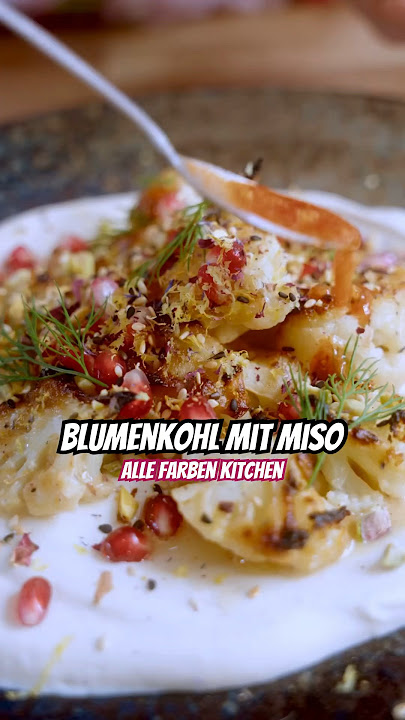
The dish, beautifully presented against the backdrop of the store's rustic interior, was a testament to the island's commitment to sustainable practices, demonstrating how dining and conservation can coexist harmoniously.
The Island Museum: A Success Story of Rodent Eradication
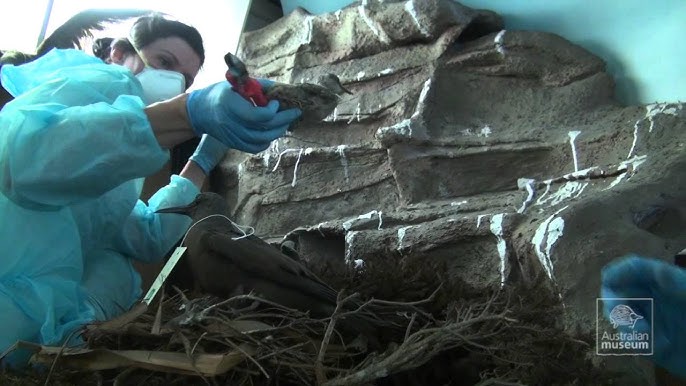
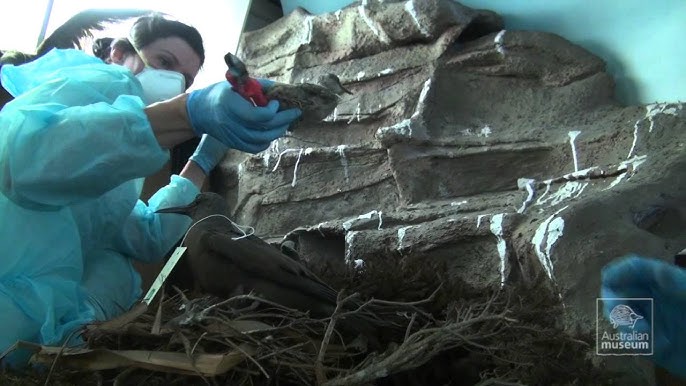
A visit to the local museum provided a powerful reminder of the importance of conservation efforts. The diorama illustrating the impact of the rodent eradication program was particularly moving. The "before-and-after" scenarios for native bird populations, such as the Lord Howe Island Woodhen, were truly remarkable. The Woodhen population, once teetering on the brink of extinction, has rebounded to a thriving population thanks to the eradication program.
The diorama, a meticulously crafted replica of the island's landscape, complete with miniature bird models, vividly showcased the positive impact of conservation. Seeing the difference, combined with the signs depicting population estimates was inspiring. The museum also highlights the importance of algae in Lord Howe Island's Coral Reef System.
Lord Howe Island: A Call to Responsible Exploration
Lord Howe Island is more than just a beautiful destination; it's a living laboratory for conservation and sustainable tourism. The island's unique blend of stunning natural beauty and active conservation efforts offers a rare opportunity to connect with nature responsibly. The biggest threat to Lord Howe Island's reef ecosystems is multifaceted, encompassing climate change, pollution, and unsustainable tourism practices. How can I support sustainable tourism on Lord Howe Island? You can support sustainable tourism by choosing eco-friendly accommodations, participating in responsible tours, minimizing your environmental impact, and supporting local businesses. Lord Howe Island sustainable ecotourism and diving research offer the opportunity to enjoy the location, while helping to preserve it.
As environmentally conscious travelers, we have a responsibility to support initiatives that protect this fragile ecosystem. I urge you to visit Lord Howe Island, to experience its wonders firsthand, and to contribute to its ongoing conservation efforts. By choosing sustainable options, respecting the local environment, and supporting the island's community, we can all play a part in preserving this extraordinary paradise for future generations. Check out some of the best Lord Howe Island eco-tours and book a trip today!