Lord Howe Island: A Living Laboratory of Biodive...
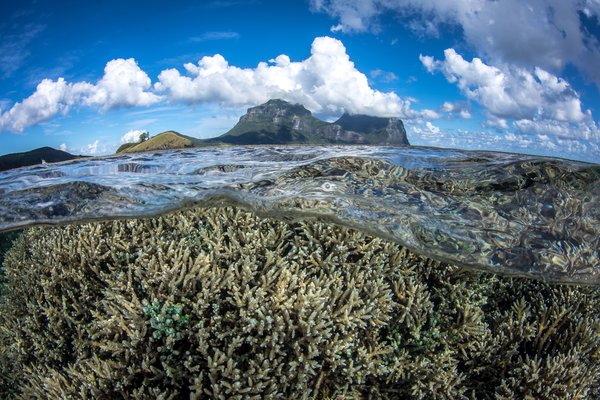
Lord Howe Island, a jewel in the Tasman Sea, captured my heart from the moment I stepped off the plane. This UNESCO World Heritage Site, a mere two-hour flight from Australia's east coast, isn't just a pretty face; it's a testament to the power of conservation and a living laboratory showcasing nature's resilience. My recent week-long journey in late October unveiled a world of endemic species, thriving coral reefs, and breathtaking landscapes, all underpinned by a deep commitment to sustainability. From the moment I arrived, I sensed I was somewhere truly unique. The distinct silhouette of Mount Gower and Mount Lidgbird, the remnants of a shield volcano active 7 million years ago, served as a constant reminder of the island's ancient and unique geological history. My experience left me in awe, solidifying my belief that Lord Howe Island is a prime example of responsible travel.
First Impressions: An Island Forged by Volcanoes
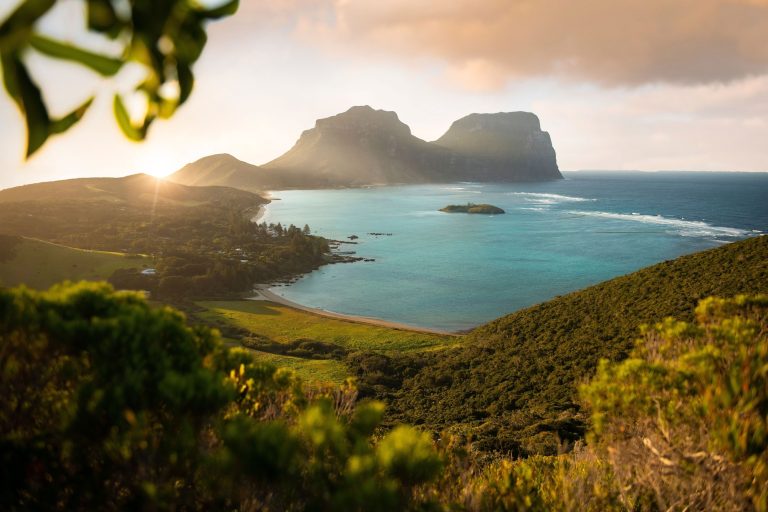
Landing on Lord Howe Island feels like stepping back in time. The air is clean, the pace is slow, and the landscape is dominated by the iconic peaks of Mount Gower and Mount Lidgbird. What truly sets this island apart is its geological origin. Lord Howe Island is the eroded remains of a shield volcano that erupted around 7 million years ago. Over millennia, the ocean has sculpted its form, leaving behind towering cliffs, sheltered bays, and fertile plains.
Diving into a Coral Paradise: North Bay's Reefs
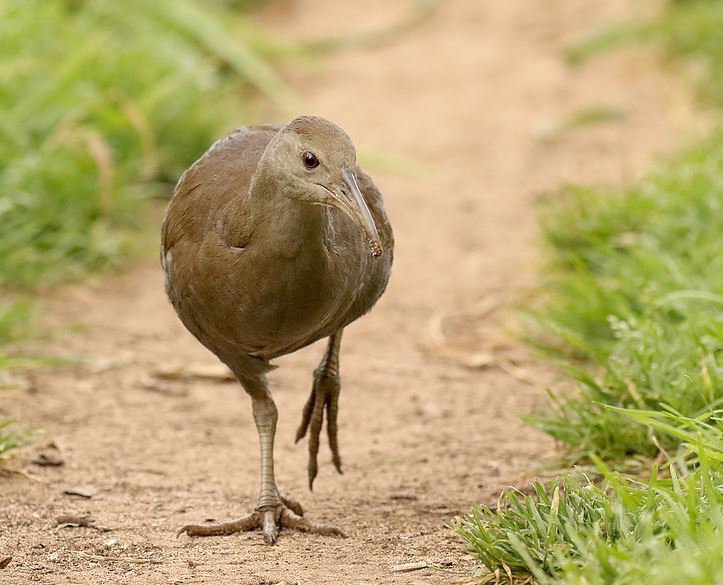
One of the highlights of my trip was a guided snorkeling tour of North Bay. This protected area boasts an incredible array of coral species, including Staghorn coral (Acropora cervicornis), Brain coral (Diploria labyrinthiformis), and Plate coral (Agaricia agaricites). These corals aren't just beautiful; they're the foundation of the reef ecosystem, providing shelter and sustenance for countless marine creatures.
Snorkeling amongst these intricate structures was like swimming through an underwater city. I watched as tiny damselfish darted in and out of the branches of Staghorn coral, seeking refuge from larger predators. The massive Brain coral colonies, with their intricate patterns, served as platforms for colorful nudibranchs and grazing parrotfish. The delicate Plate coral formations provided a habitat for shy reef fish, their vibrant colors adding to the underwater spectacle. It was amazing to witness the interaction and interdependency in this underwater ecosystem. The health of the coral reef is a major focus for conservation and Lord Howe Island Marine Park Protection efforts.
Lord Howe Island Coral Reef Conservation
Coral reefs are very fragile, but essential for the survival of a multitude of ocean species. The reefs surrounding Lord Howe Island are no exception. Through continuous scientific monitoring, damaged areas are flagged early, and conservation measures, like restricting access, are quickly enforced. The Lord Howe Island community has a common understanding of the importance of maintaining their reefs.
Beyond the Beaches: Ned's Beach and its Avian Wonders
Ned's Beach is famous for its fish feeding, but I was even more captivated by the diverse birdlife that calls this place home. Instead of focusing on feeding the kingfish, I took part in a guided interpretive walk, learning about the efforts to protect the nesting sites of the Red-tailed Tropicbird (Phaeton rubricauda) and the Masked Booby (Sula dactylatra).
Seeing the Red-tailed Tropicbirds soaring overhead, their long, red tail streamers trailing behind them, was a truly majestic sight. These birds nest on the cliffs surrounding the beach, and the local guides are careful to minimize disturbance to their breeding colonies. The Masked Boobies, with their distinctive white plumage and black facial markings, were equally fascinating. They nest in the nearby Banyan trees, creating a bustling community of seabirds.
Sustainable Dining: A Taste of Lord Howe Island
Lord Howe Island's commitment to sustainability extends to its dining scene. Restaurants prioritize locally sourced ingredients, showcasing the island's natural bounty.
At Anchorage Restaurant, I watched the chef prepare kingfish sashimi using the "ike jime" method. This traditional Japanese technique involves humanely dispatching the fish to preserve its flavor and texture. The result was sashimi that was incredibly fresh and delicate.
However, the highlight of my culinary journey was the pan-seared trevally with lemon myrtle at Capella Lodge. The trevally, caught fresh from the surrounding waters, was cooked to perfection. The lemon myrtle infused the dish with a unique citrusy aroma and flavor profile, a testament to the island's diverse flora. I encourage anyone to try the sustainable dining Lord Howe Island offers during their visit.
Finally, the passionfruit panna cotta at The Bowker Restaurant was the perfect ending to my meal. The locally grown passionfruit's tangy sweetness balanced the creamy panna cotta, creating a dessert that was both refreshing and indulgent.
Kim's Lookout: A Panoramic View of Paradise
Beyond the beaches and reefs, Lord Howe Island offers a diverse range of hiking trails. My trek to Kim's Lookout was particularly memorable. The trail winds through a variety of forest types, from lush rainforest to stunted cloud forest near the summit. As I ascended, I noticed the changing vegetation, with gnarled, moss-covered trees appearing closer to the top.
Reaching Kim's Lookout, I was rewarded with breathtaking views of Mount Gower and Mount Lidgbird. The sheer scale of these volcanic peaks is truly awe-inspiring. Seeing the Southern Mountains from this vantage point, I felt a profound connection to the island's landscape.
I also observed a large colony of Masked Boobies nesting within the Banyan trees near the lookout. Watching their behaviors – the attentive parents feeding their chicks, the territorial disputes between males – provided a fascinating glimpse into their social lives. This Lord Howe Island birdwatching guide offers more details for those interested.
Conservation in Action: Protecting a Unique Ecosystem
Lord Howe Island's beauty is inextricably linked to its ongoing conservation efforts. The island has a long history of environmental stewardship, and I was impressed by the dedication of the local community to preserving its unique ecosystem.
One of the most remarkable success stories is the Lord Howe Island Rodent Eradication Program. This ambitious project, completed in 2019, has had a profound impact on the island's biodiversity. By removing introduced rodents, the program has allowed native species, such as the Lord Howe Island Woodhen, to flourish. The rodent eradication program has had a significant Lord Howe Island rodent eradication impact and been seen as a major success story.
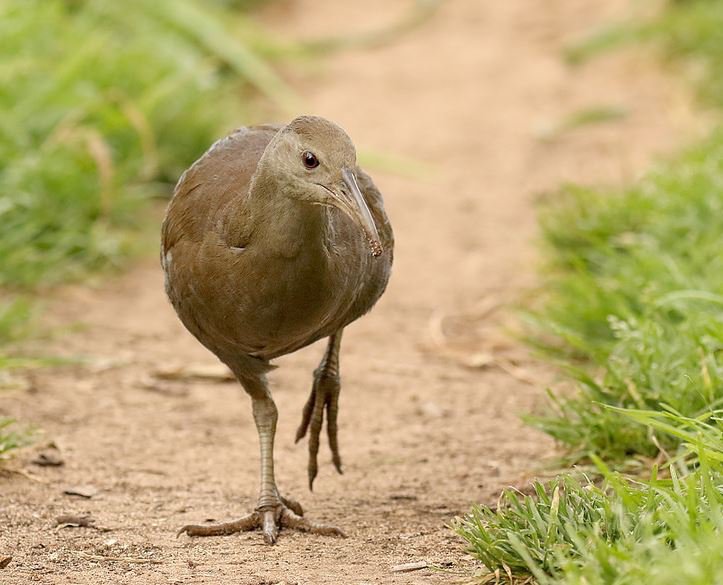
The Woodhen, once on the brink of extinction, is now a common sight on the island. Seeing these flightless birds foraging in the forest was a testament to the power of conservation. The Woodhen Recovery has turned into a case study that other conservation groups around the world have studied.
Lord Howe Island: A Call to Responsible Travel
My journey to Lord Howe Island was more than just a vacation; it was an education. I witnessed firsthand the importance of conservation and the positive impact that sustainable tourism can have on a fragile ecosystem. Lord Howe Island isn't just a beautiful destination; it's a living laboratory, a testament to nature's resilience, and a beacon of hope for the future of our planet.
If you're looking for a travel experience that combines stunning natural beauty with a deep commitment to sustainability, Lord Howe Island should be at the top of your list. Plan your visit today and discover the magic of this unique island paradise. For more information, consider this Lord Howe Island visitor guide responsible travel.